Getting Married at River Bottoms Ranch: A Thoughtful Wedding Guide
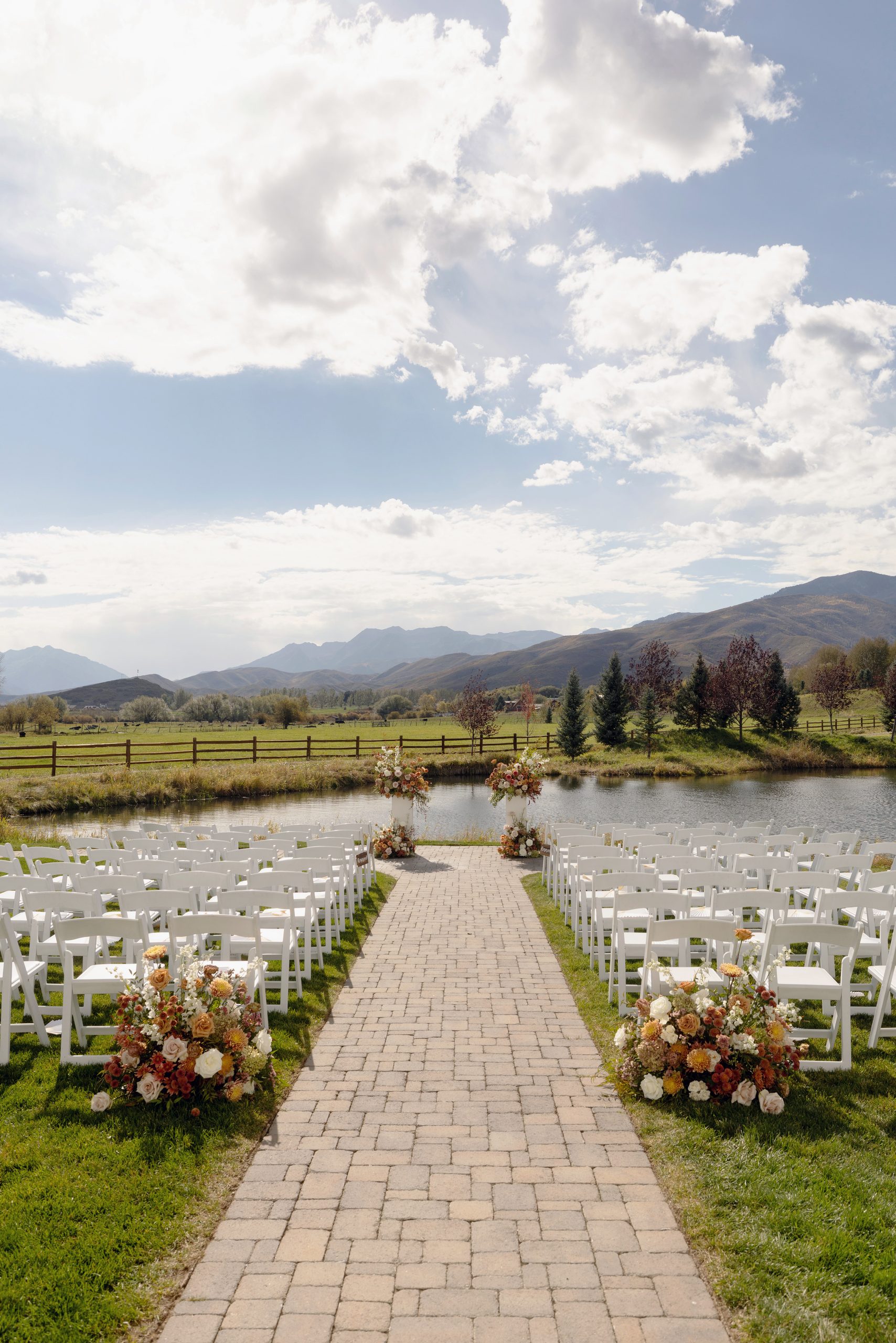
A mountain backdrop, beautifully layered flowers, a dinner table that invites guests to settle in—there’s something especially appealing about a wedding where every choice feels connected.
If you’re considering a River Bottoms Ranch wedding, you may already be imagining that balance: a beautiful setting, intentional details, and a celebration that feels welcoming from the moment your guests arrive.
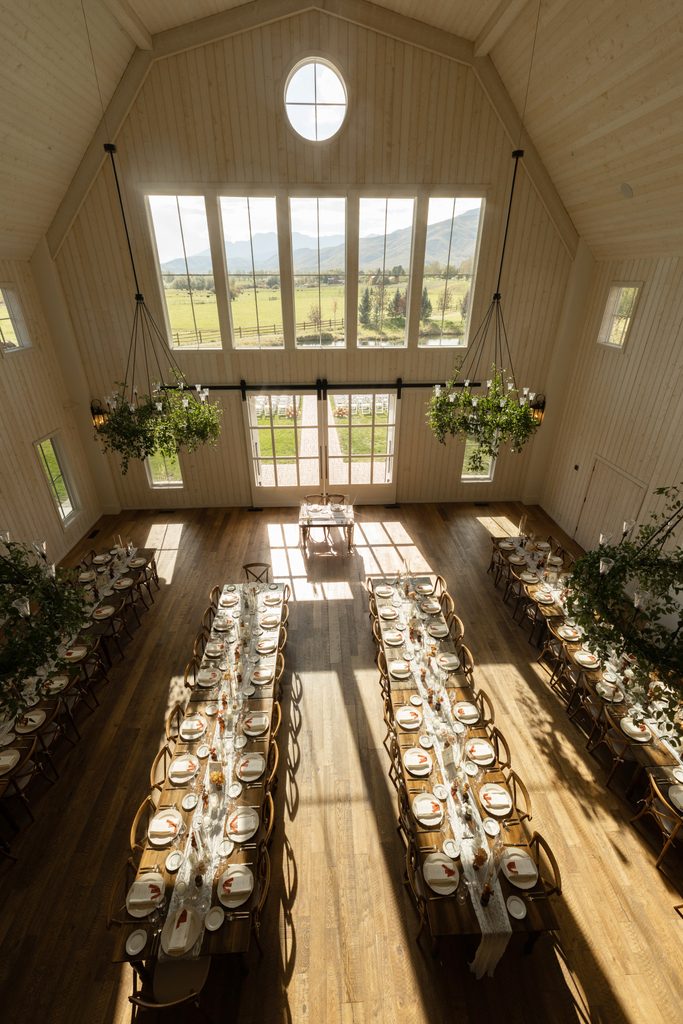
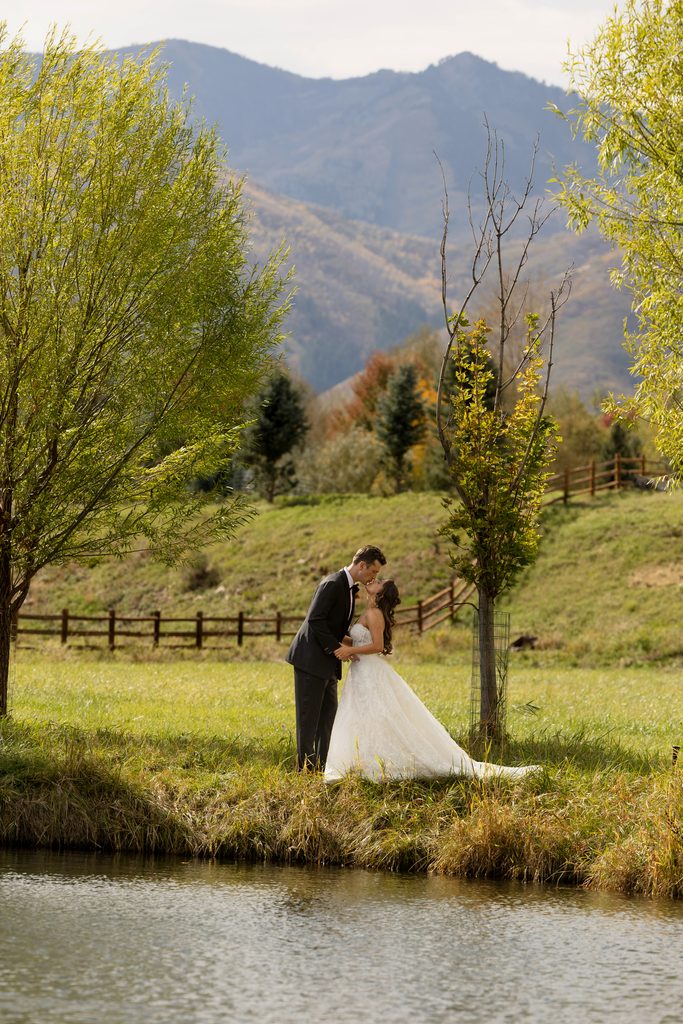
Located in Midway, Utah, River Bottoms Ranch brings together a white barn, open fields, and mountain scenery. It’s a setting that lends itself to a thoughtful wedding design while giving the landscape room to be part of the experience.
As a Utah wedding photographer, I’m drawn to celebrations where the visual details and the feeling of the day work together. The flowers matter. So do the conversations around them, the people gathered at your tables, and the moments you didn’t know were happening.
Here’s how I would approach planning a River Bottoms Ranch wedding with all of that in mind.
Why Choose River Bottoms Ranch for Your Wedding?
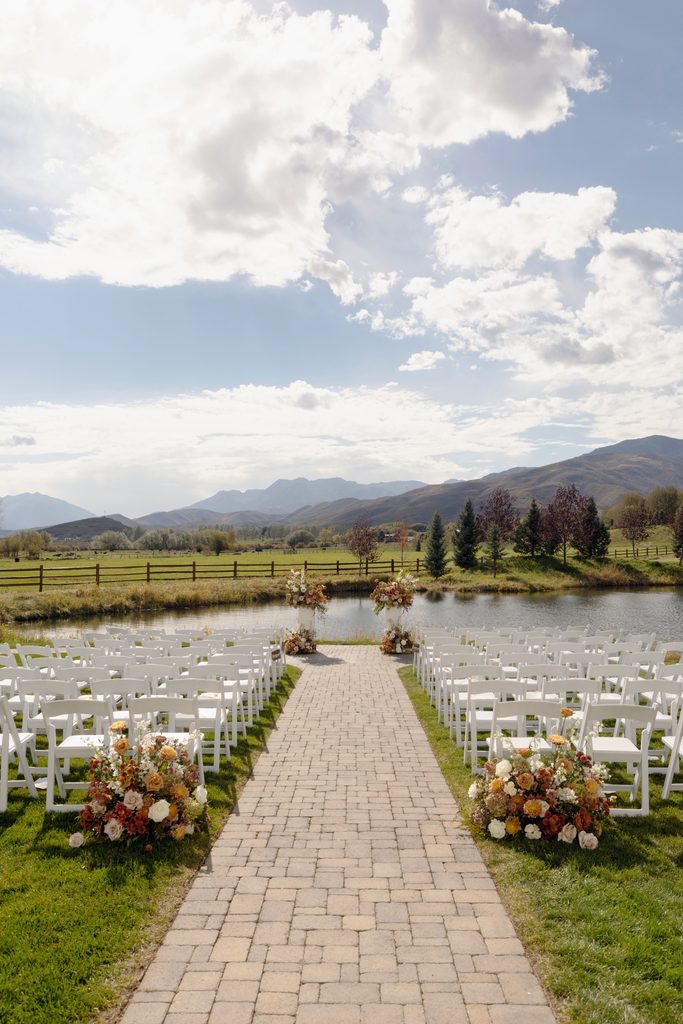
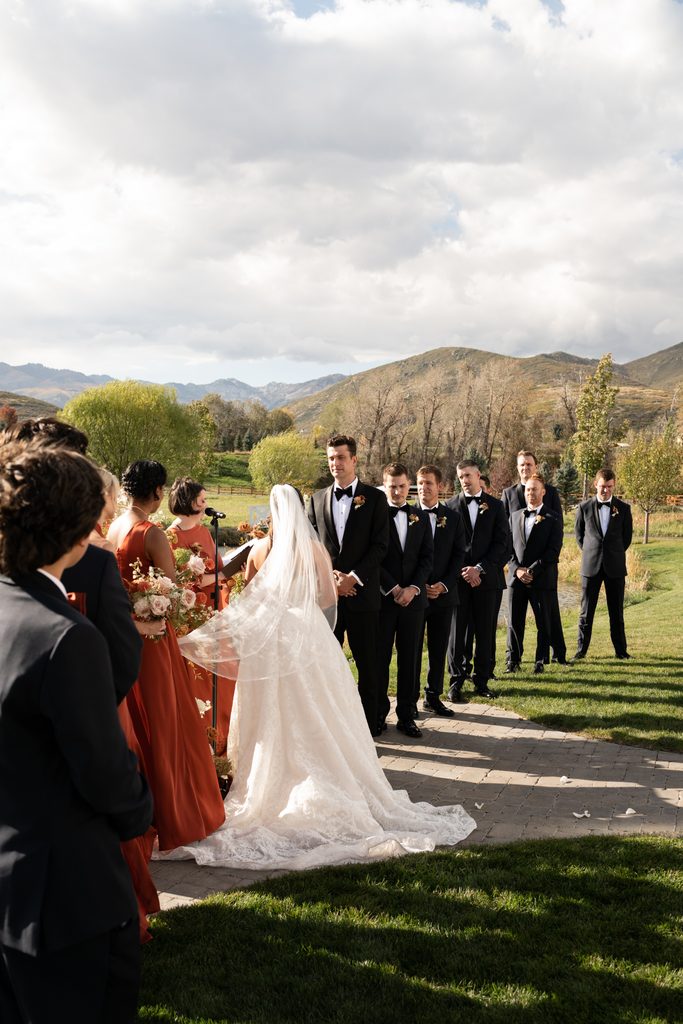
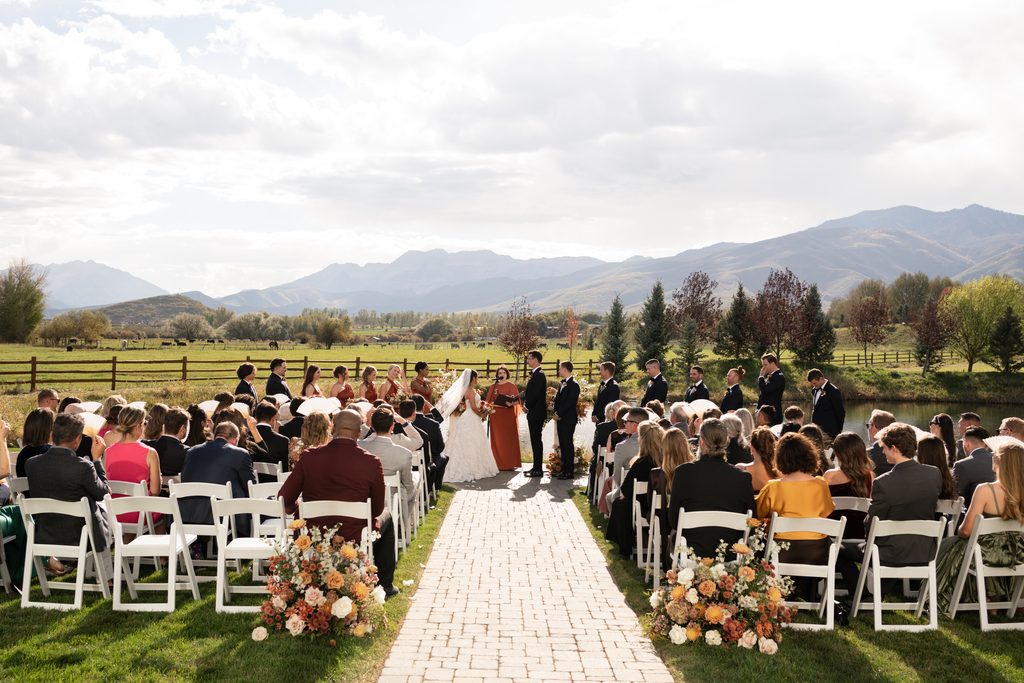
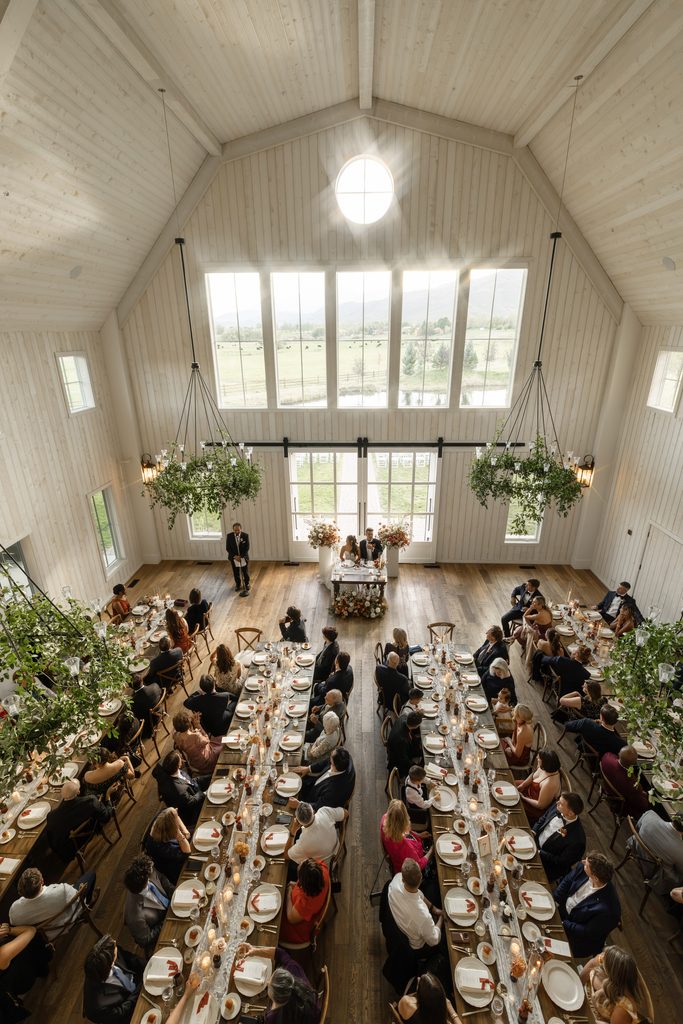
River Bottoms Ranch offers a mountain valley setting with indoor and outdoor event spaces. Its white gambrel barn and surrounding landscape create a beautiful starting point for couples who want a refined celebration with a sense of place.
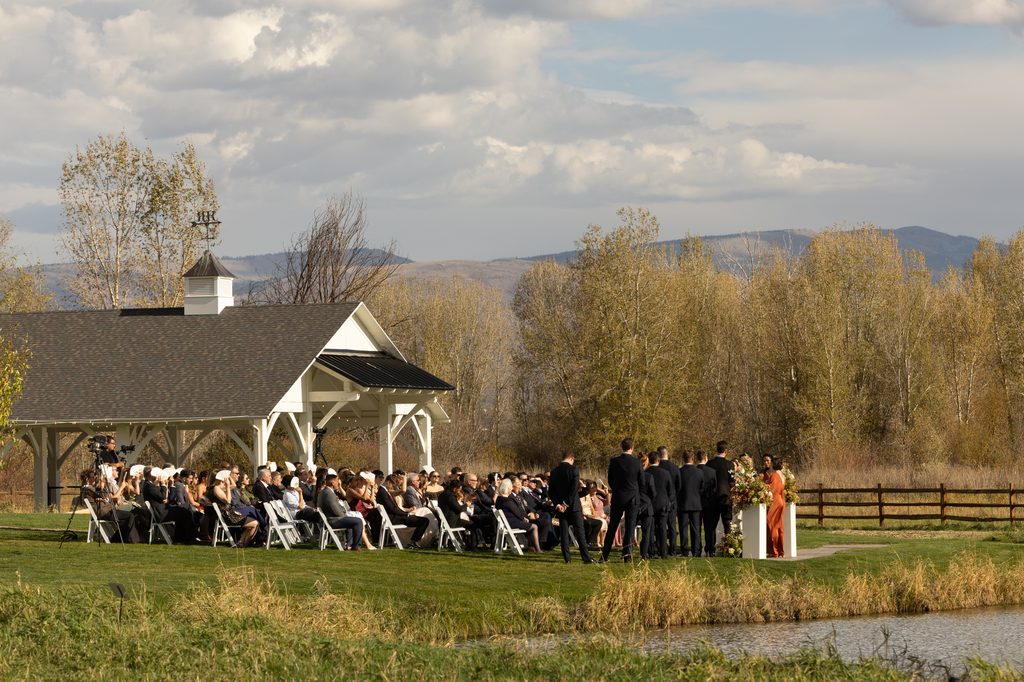
The venue’s wedding information highlights a great hall, a timber pavilion, lawn space, and views that include Mount Timpanogos. Explore the current River Bottoms Ranch wedding spaces as you start considering your plans.
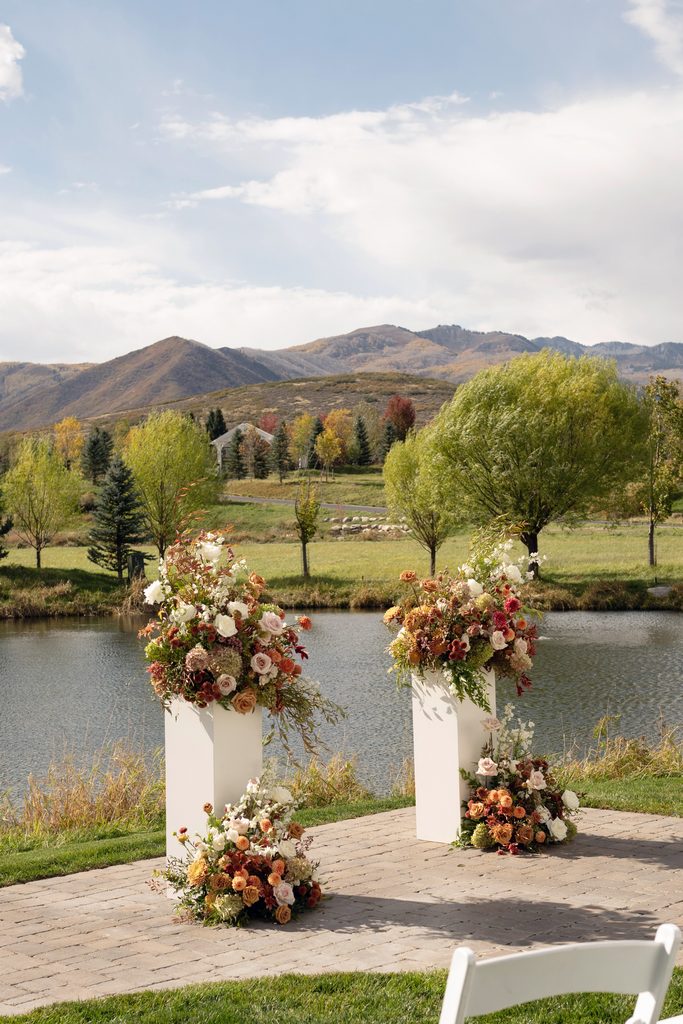
What makes the setting interesting from a design perspective is the combination of structure and openness. You can bring in a distinct floral palette, thoughtful paper goods, and beautiful table settings while allowing the architecture and scenery to remain visible.
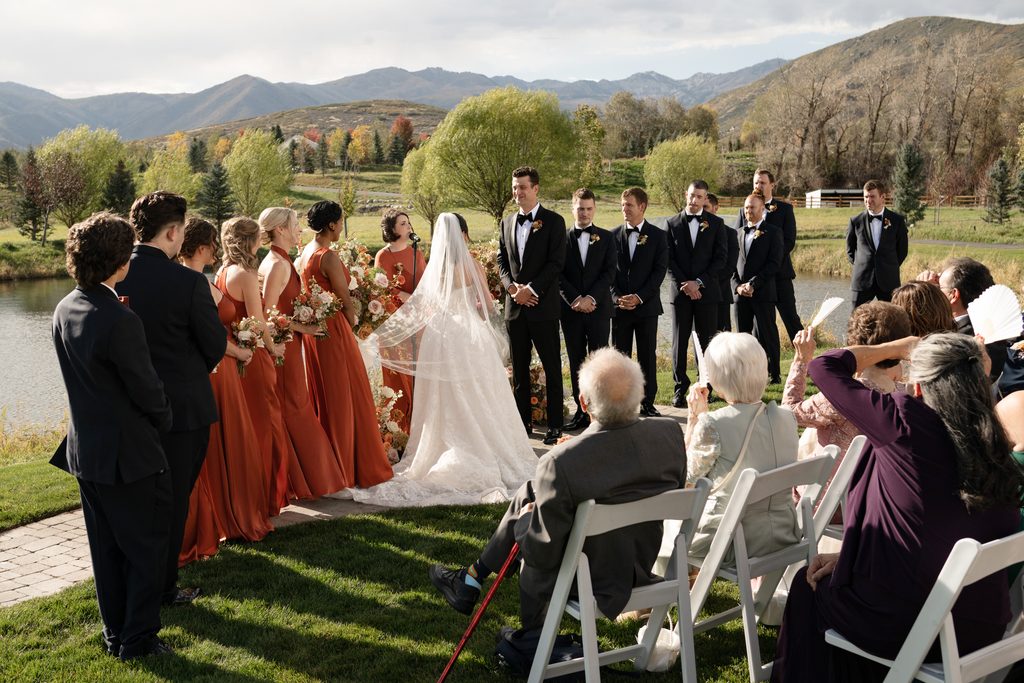
Before choosing your layout, think about the experience you want to create. An intimate seated dinner, a lively reception, and an outdoor ceremony each ask something different of the space.
Start With How You Want Your Wedding to Feel
Before deciding on flowers or linens, choose a few words that describe the atmosphere you want.
Maybe your wedding feels romantic, relaxed, and generous. Or elegant, joyful, and full of color. Those words can guide decisions throughout the planning process.
For example, a romantic dinner might include layered textiles, garden-inspired arrangements, warm lighting, and a leisurely meal. A more contemporary celebration could use sculptural flowers, clean typography, and a restrained palette.
The goal is to create a clear direction that your planner, florist, rental team, and photographer can understand.
At River Bottoms Ranch, I would also consider how that direction relates to the season and landscape. Your design can feel personal while still belonging naturally in its surroundings.
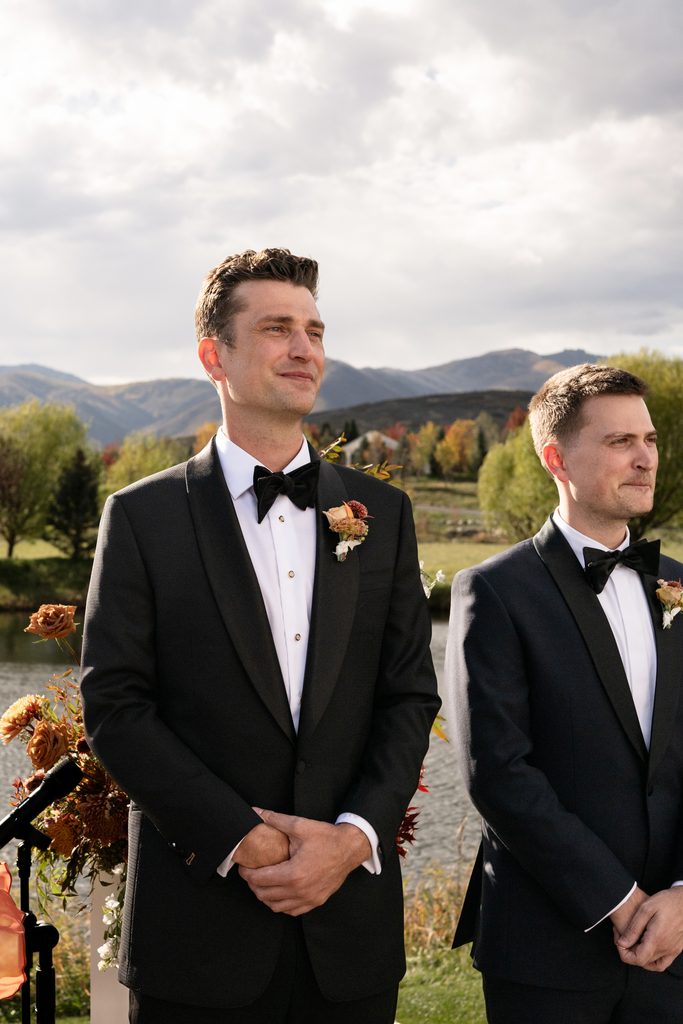
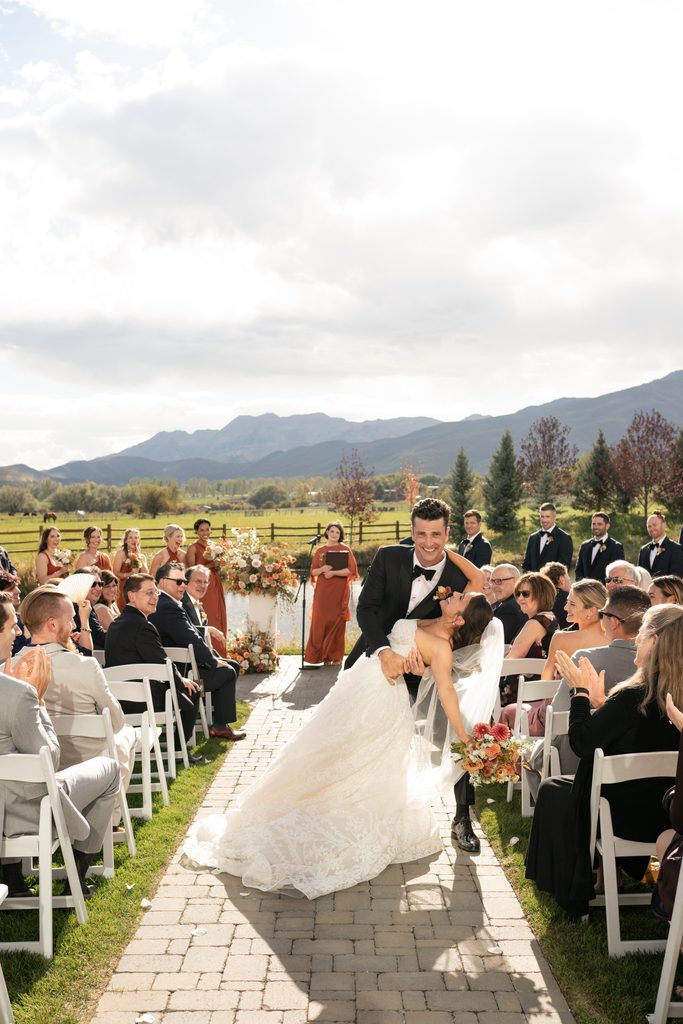
Wedding Design Ideas for River Bottoms Ranch
Build a palette with depth
A cohesive wedding palette usually includes more than two matching colors. Think about your main tones alongside the textures and materials that support them.
For a softer look, you might explore ivory, warm beige, muted green, and touches of pale pink. For more color, consider butter yellow, peach, dusty blue, or deeper seasonal accents.
These are design possibilities rather than rules. The strongest palette is one you love and can carry thoughtfully through flowers, attire, linens, and stationery.
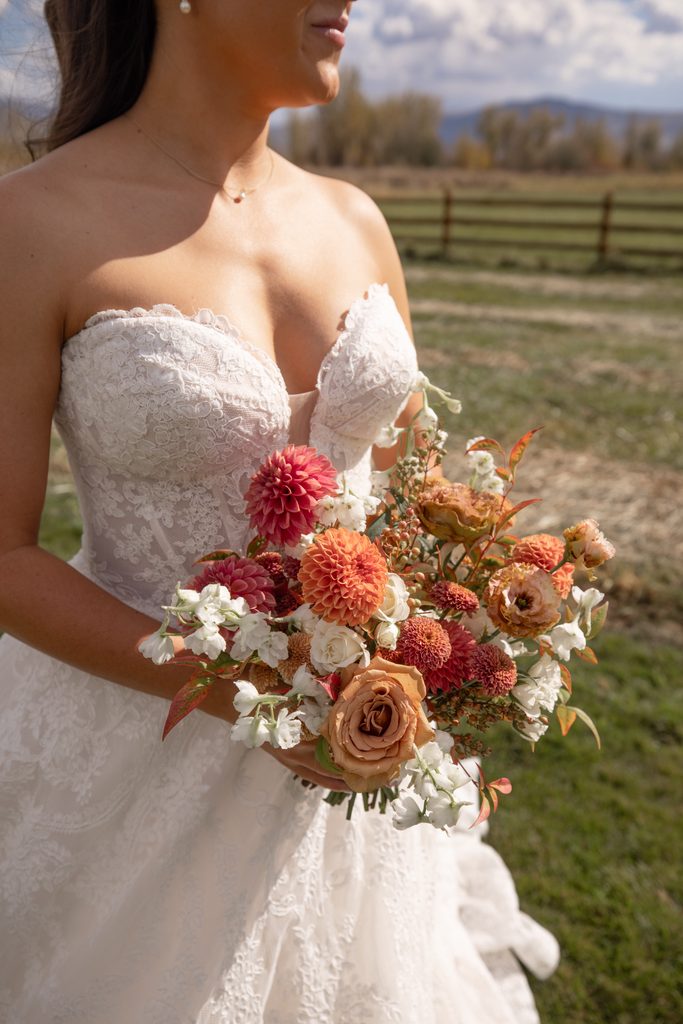
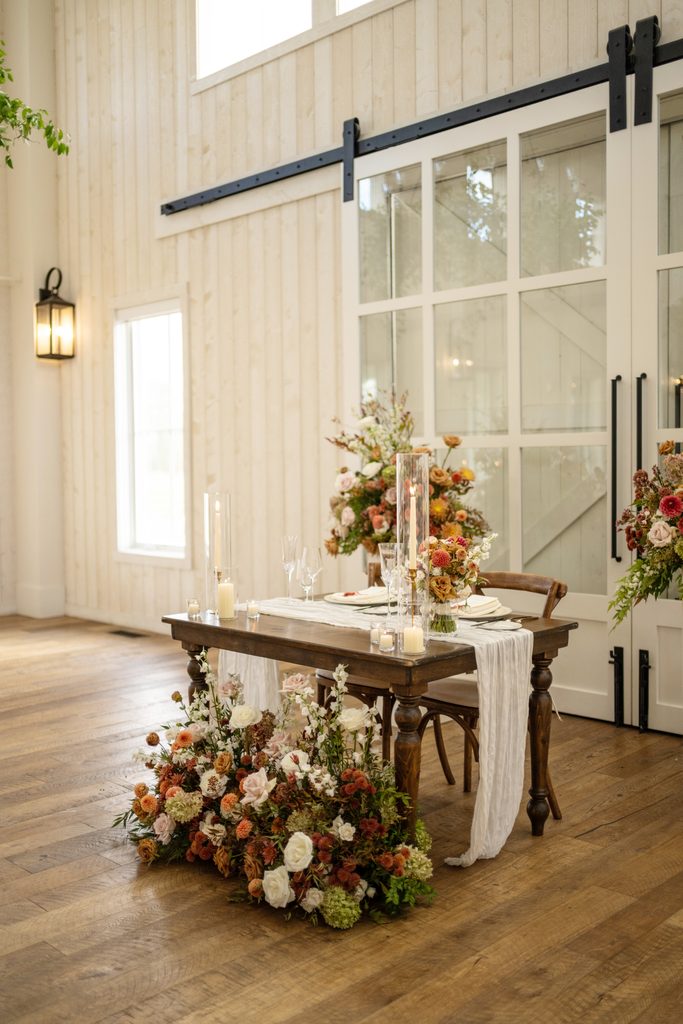
Give flowers a clear purpose
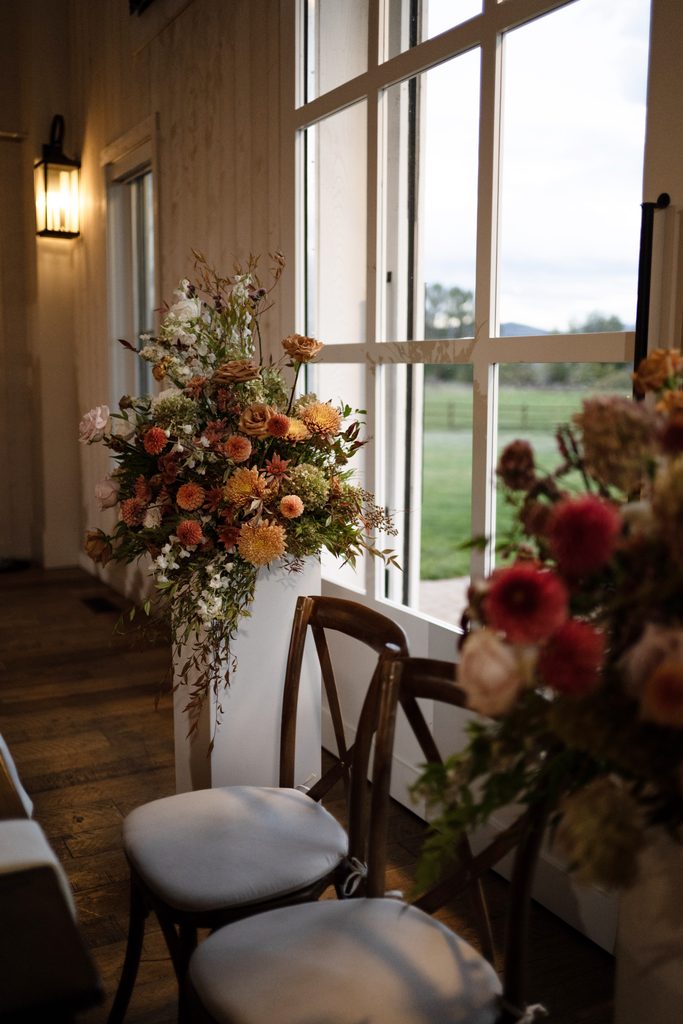
Talk with your florist about where arrangements will have the most impact.
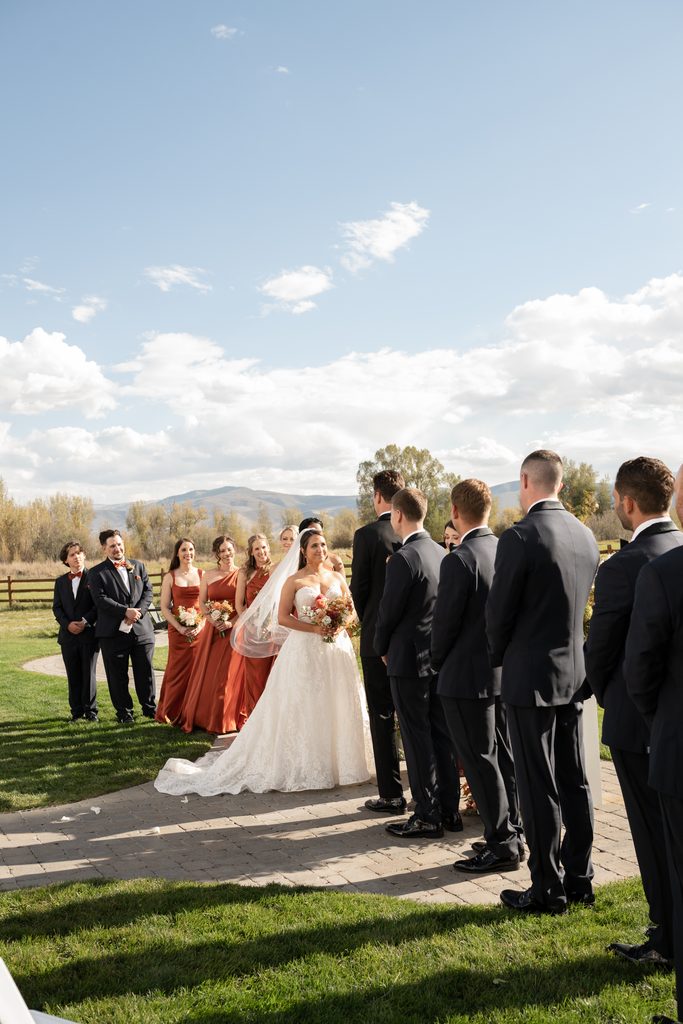
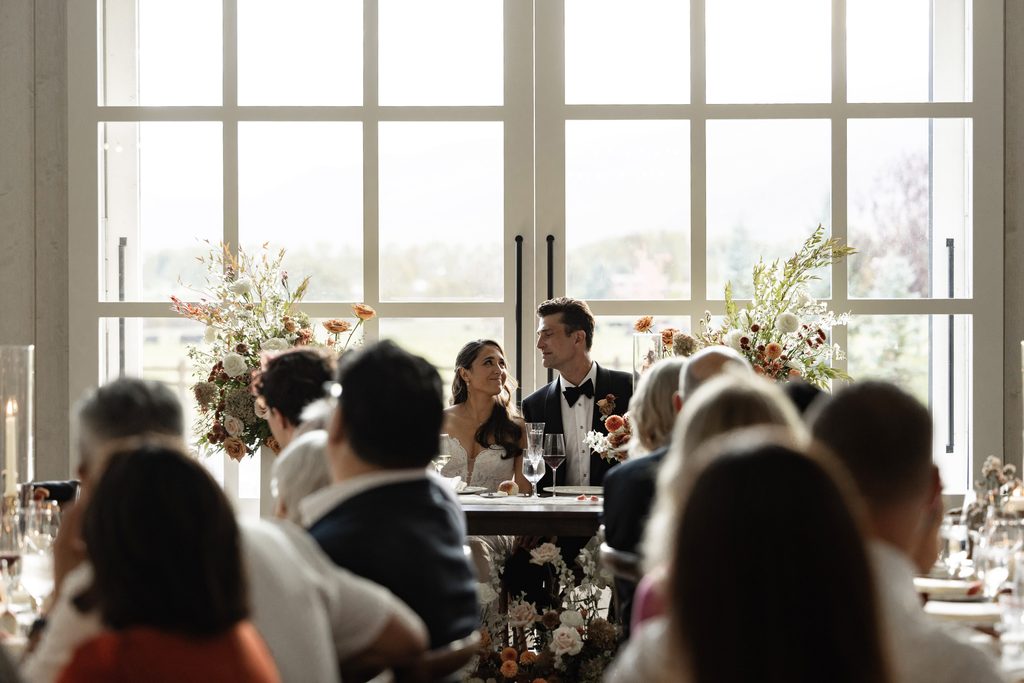
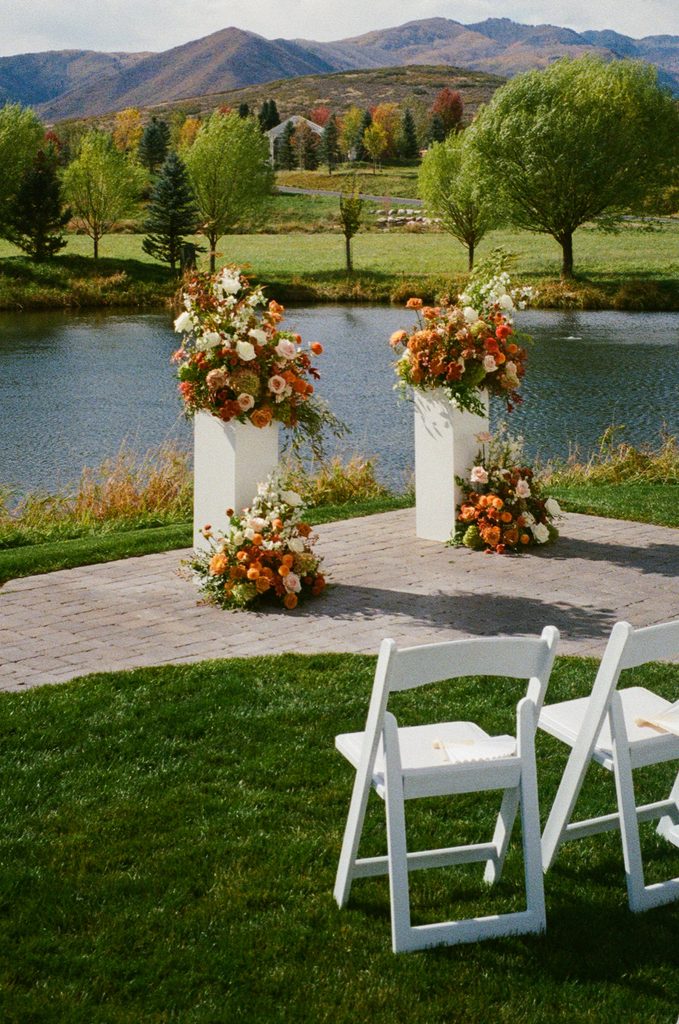
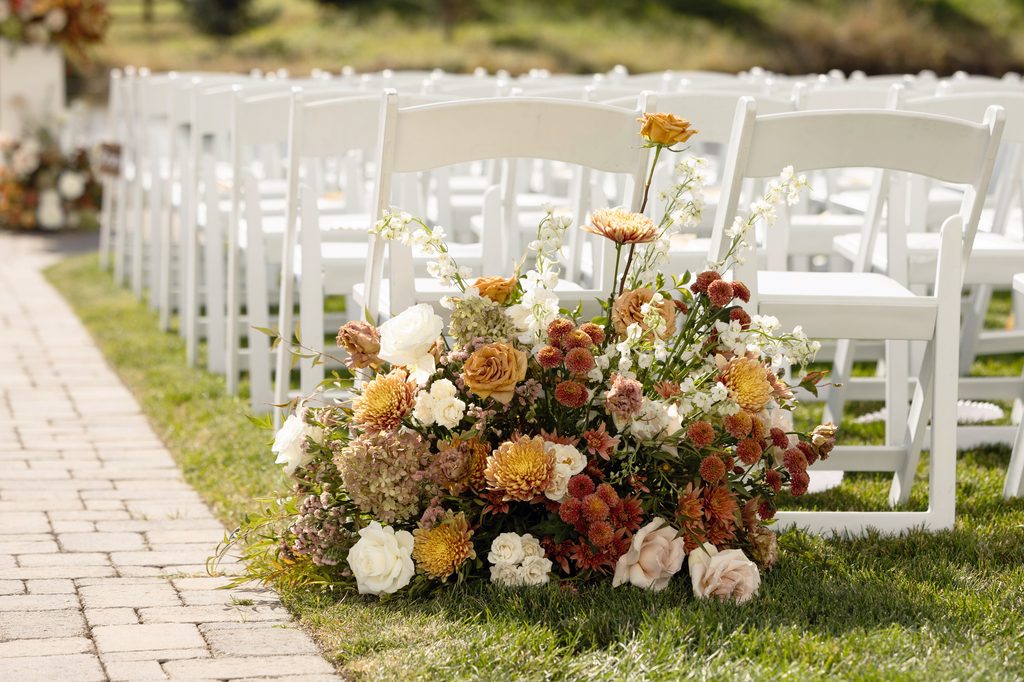
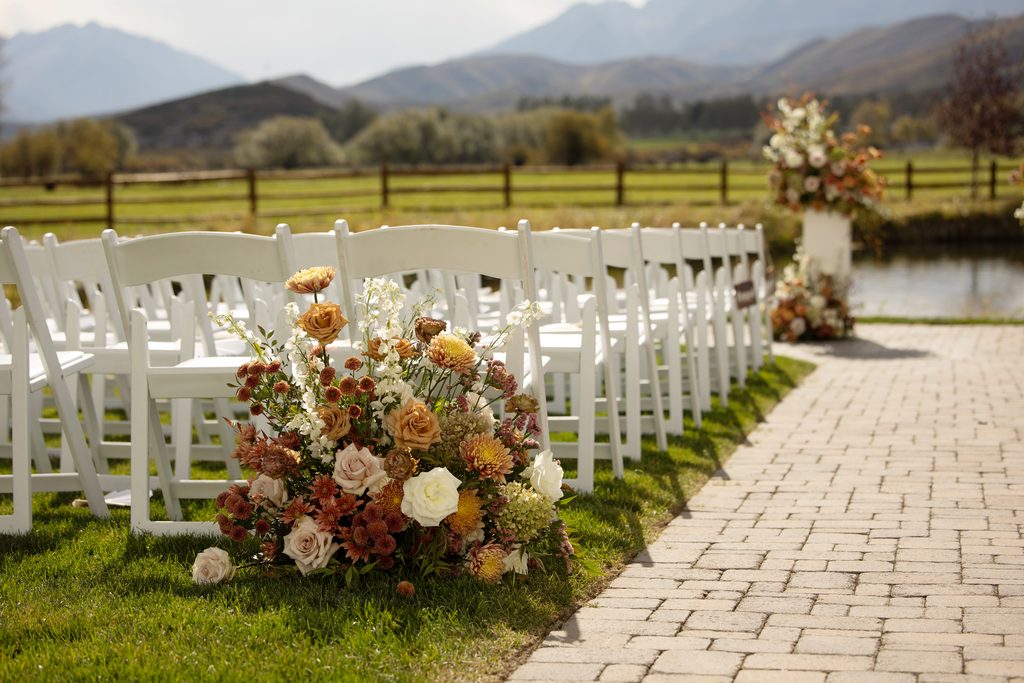
That could mean framing the ceremony, creating a focal point at dinner, or adding movement and texture to the places guests gather. Consider sightlines as well as photographs: guests should be able to see the ceremony and speak comfortably across the table.
If you hope to move flowers between spaces, ask your planner and florist whether the timing and logistics make that practical.

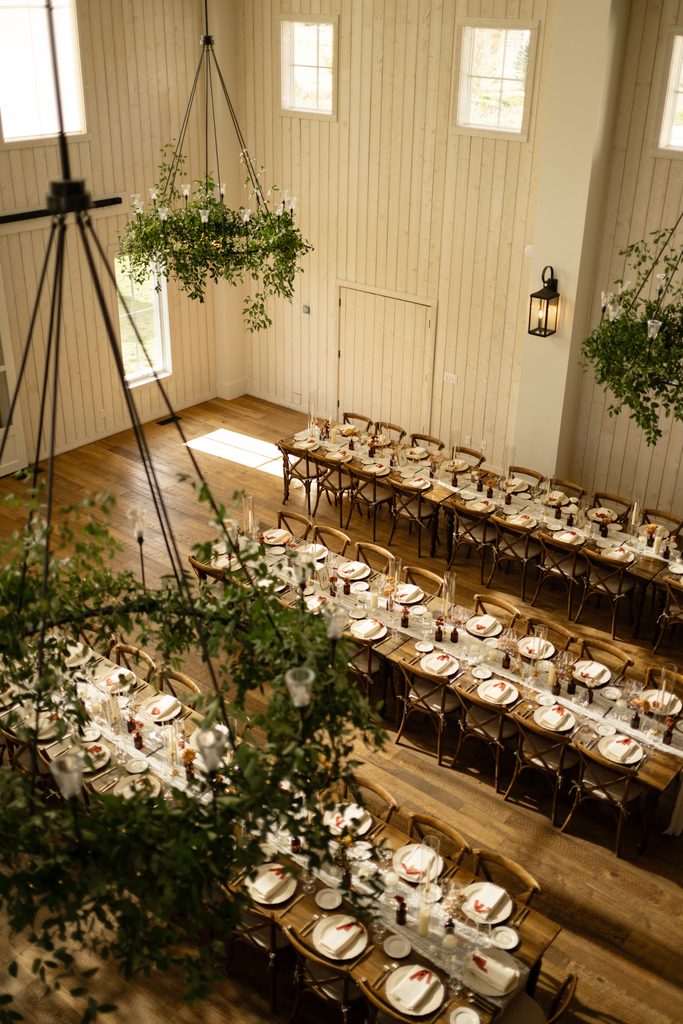
Layer your reception tables
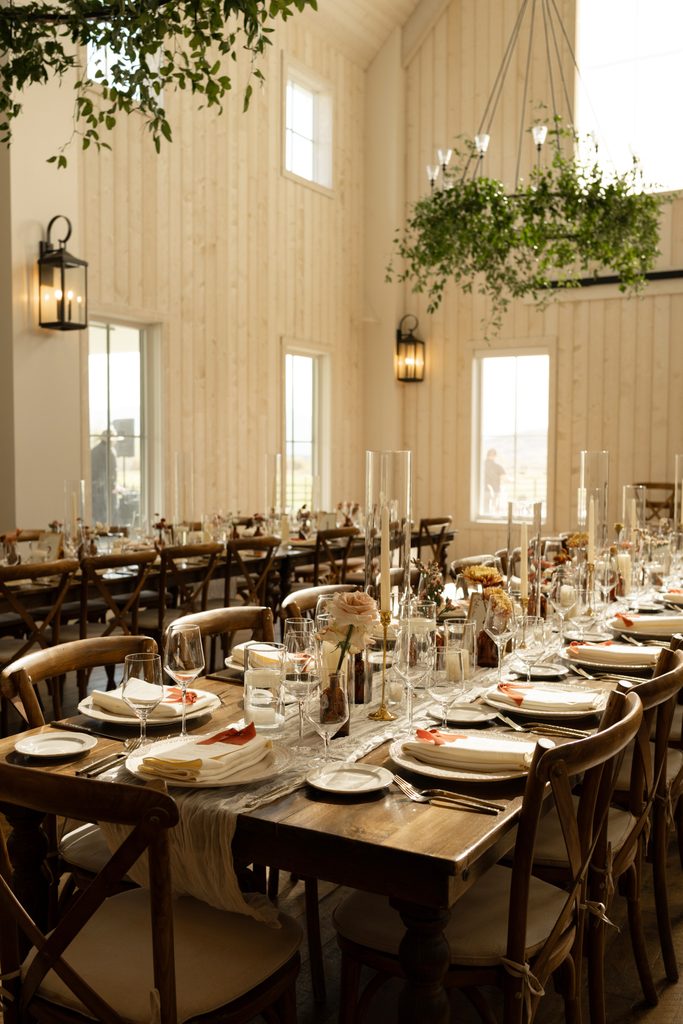
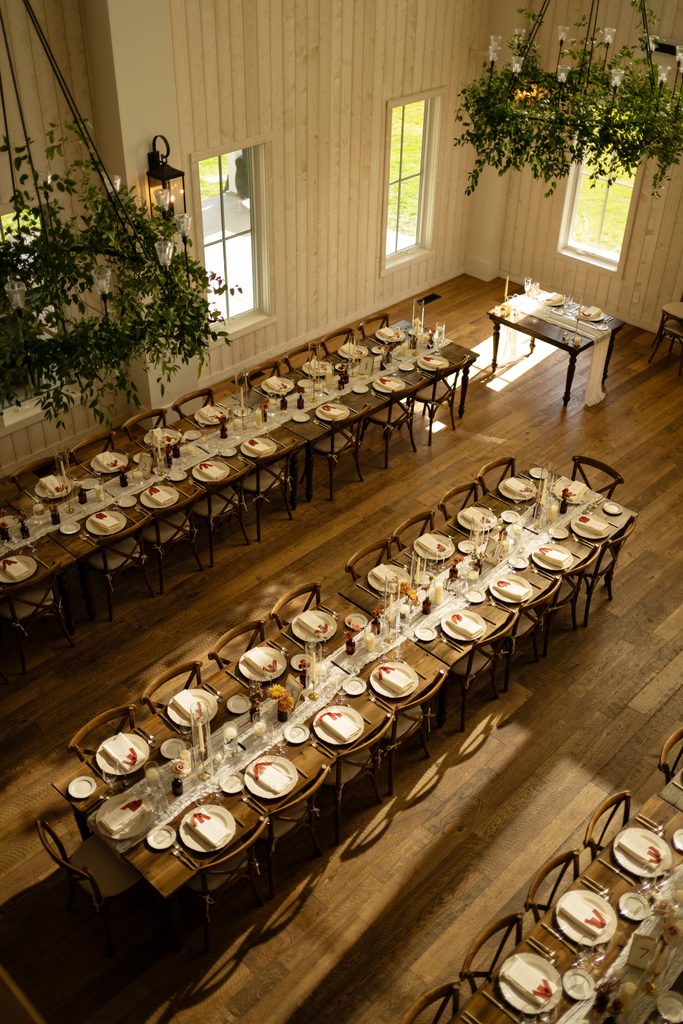
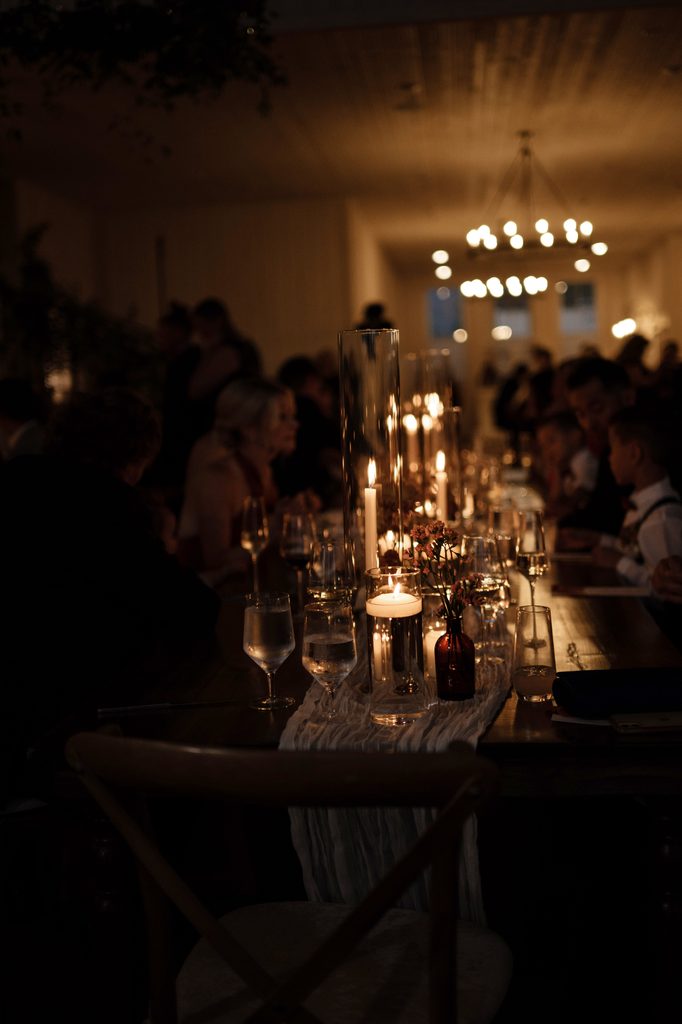
A thoughtful tablescape can make dinner feel like an occasion.
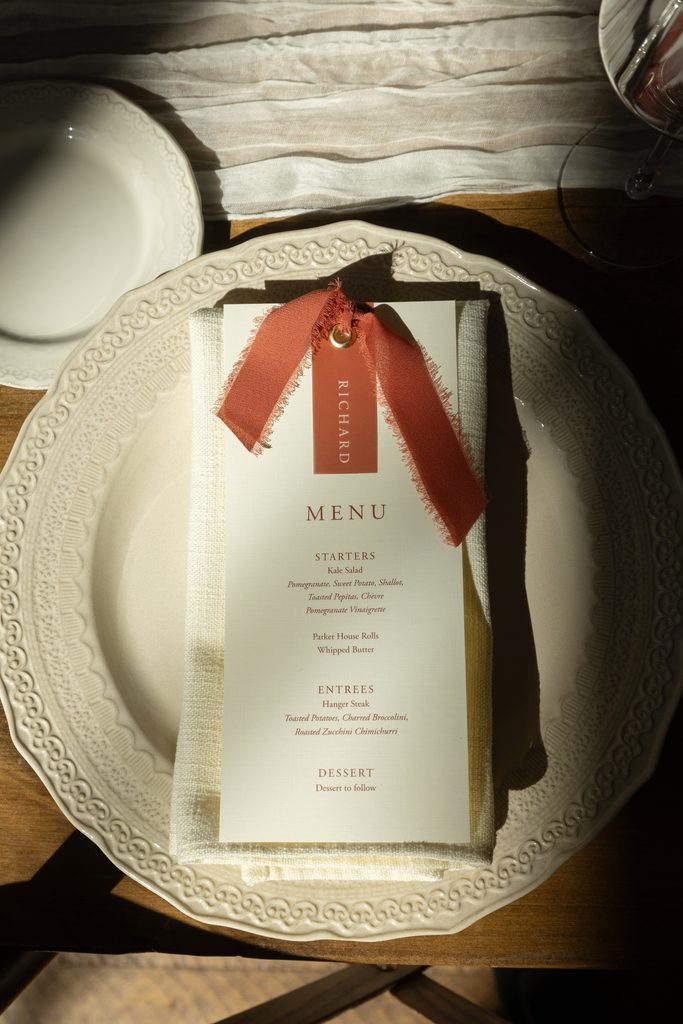
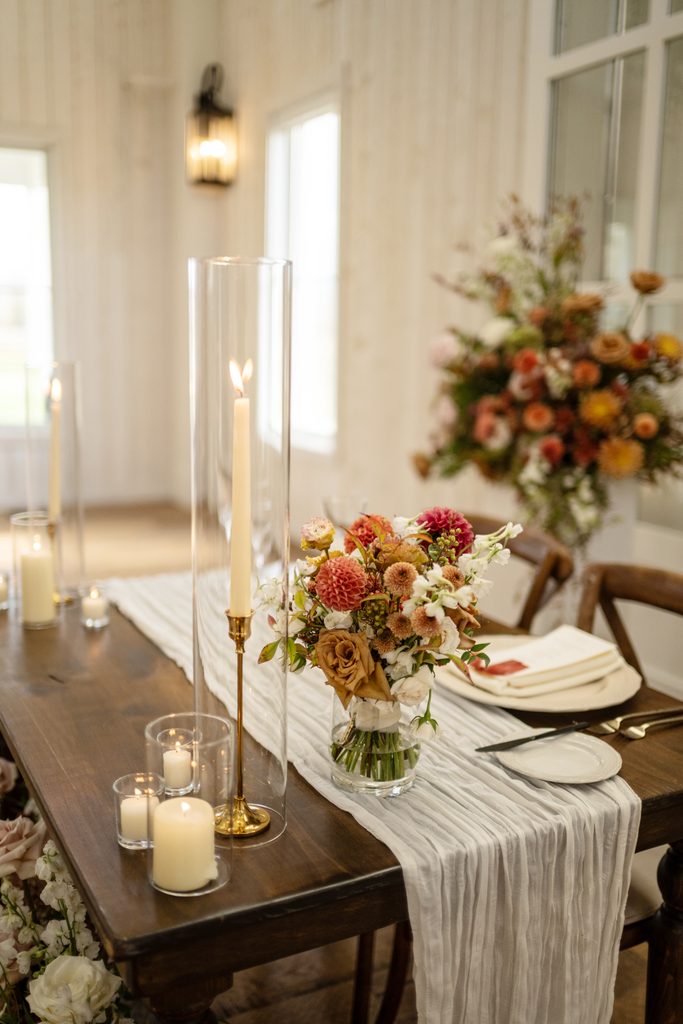
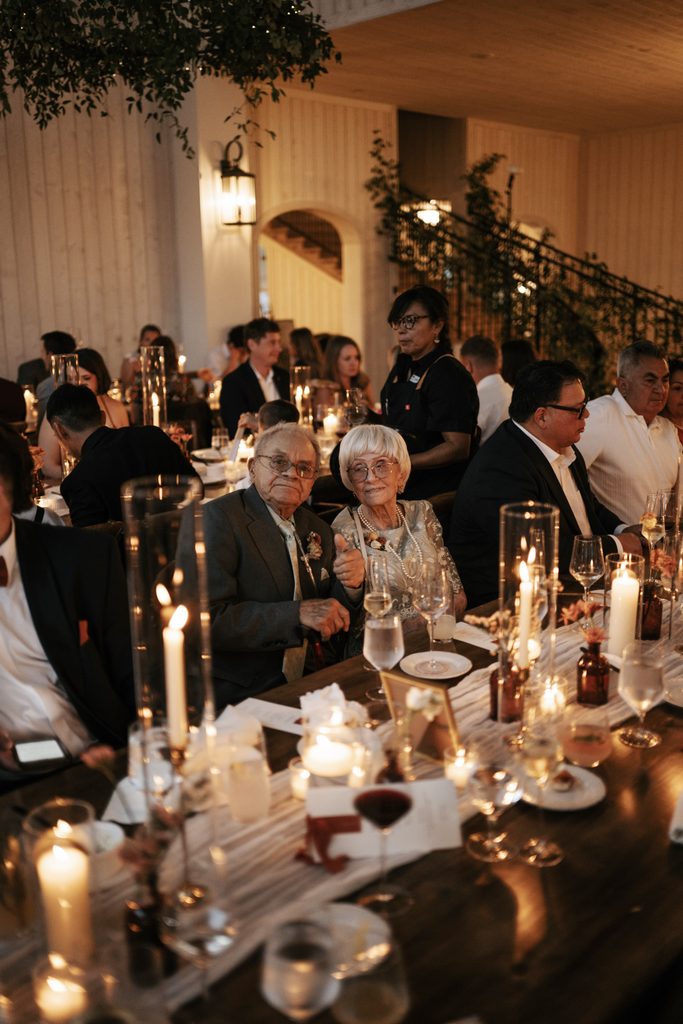
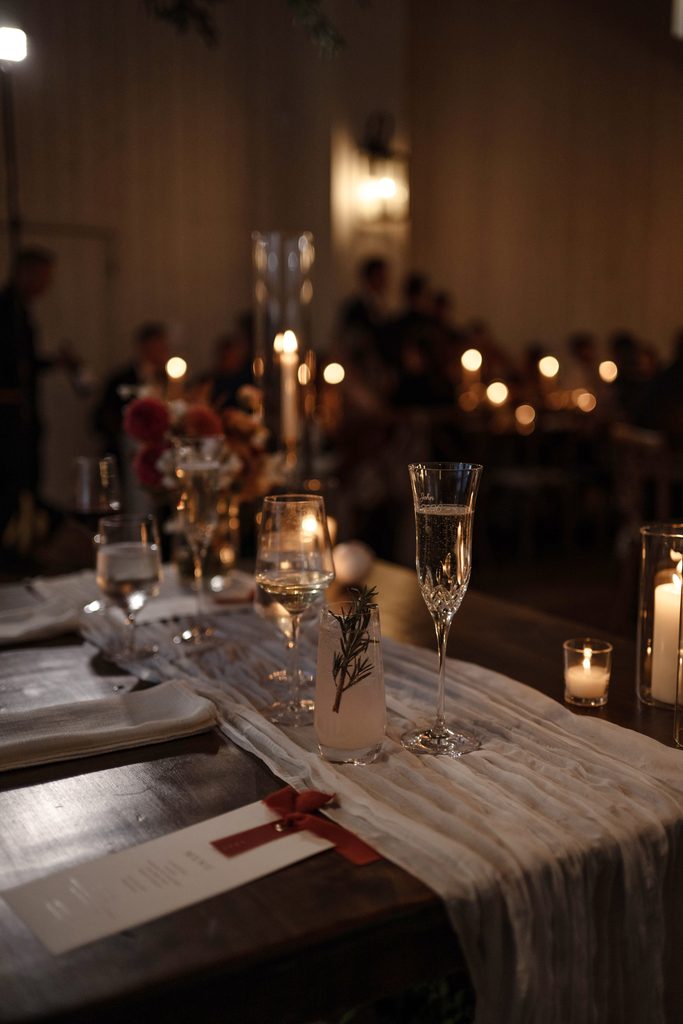
Consider how the linens, napkins, glassware, menus, flowers, and approved lighting work together. Varying textures can add depth even within a quiet color palette.
Then look at the table from a guest’s perspective. Is there room for the meal? Can people see each other? Are place cards easy to read?
Those practical details contribute to the aesthetic because they help the table feel considered and comfortable.

Carry a few details throughout the day
You don’t need a new design idea for every part of the celebration.
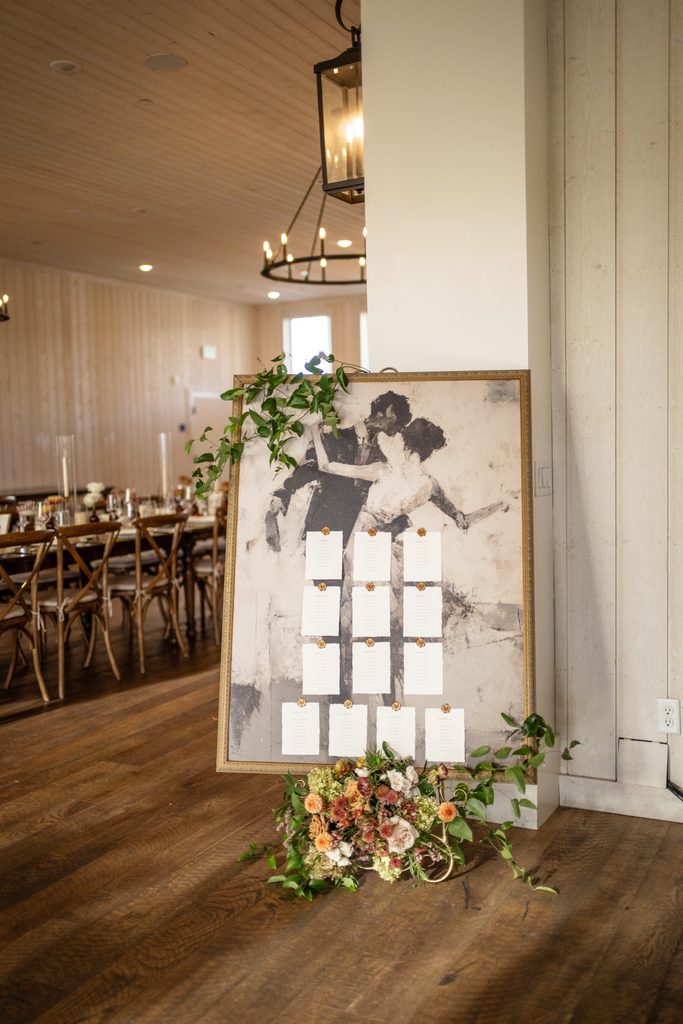
A consistent typeface, a recurring floral color, or a particular material can connect invitations, ceremony programs, menus, and seating displays. Those small connections help the day feel cohesive without making every element identical.
Creating a Great Guest Experience at River Bottoms Ranch
The guest experience begins before the ceremony. It starts with clear information and continues through the way the celebration unfolds.
Make arrival easy
Share clear directions, arrival times, attire guidance, and any transportation arrangements before the wedding.
For guests traveling to Midway, include accommodation suggestions and realistic travel guidance on your wedding website. Confirm transportation details with your planner and providers rather than relying on a tight schedule.
If guests will walk across outdoor surfaces, let them know so they can choose comfortable shoes.
Plan for the conditions
For any outdoor portion of the day, talk with your team about sun, temperature, wind, and changing weather.
Depending on the season, guest comfort might involve water before the ceremony, shade where available, or a plan for cooler evening temperatures. Confirm what is permitted and practical with the venue.
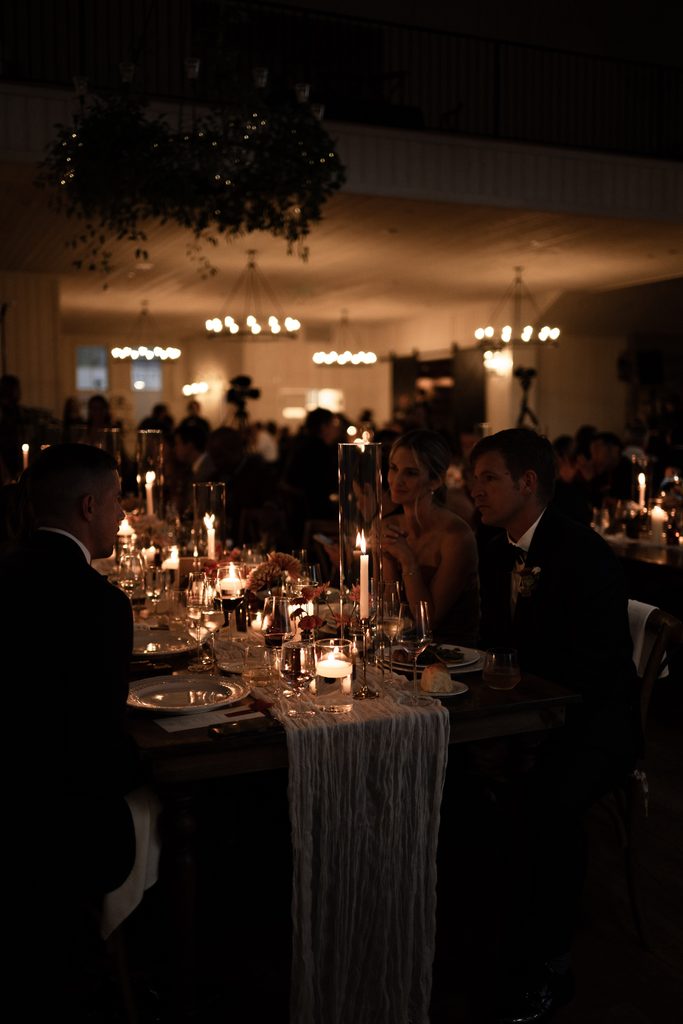
A weather backup should receive the same attention as your original layout. Ask how flowers, seating, sound, and guest movement would work if plans change.
Think carefully about transitions
The moments between the ceremony, drinks, dinner, and dancing shape the pace of the celebration.
Where will guests go next? Will they know where to find their seats? Is there a long wait while a space is prepared?
Your planner can help build transitions that feel natural. Clear signage and well-timed announcements can make guests feel looked after without overwhelming the atmosphere.


Give dinner enough time
If food and hospitality are priorities, let them influence the schedule.
Discuss meal service, dietary needs, speeches, and the pace of dinner with your planner and culinary team. Avoid filling every available minute with another event.
Some of the most meaningful wedding moments happen when people have time to settle in and enjoy being together.
Why Your Planner Matters
River Bottoms Ranch currently requires couples to hire a professional wedding planner, with at least month-of services. Confirm the current requirements directly with the venue before booking your team.
For a wedding with a strong design direction, a planner can help connect the creative ideas to the practical decisions: floor plans, vendor arrivals, installations, guest movement, and the final timeline.
Be clear about the level of support you need. Full planning, design services, and month-of coordination can involve different responsibilities.
The venue also publishes catering requirements, so review those before making food plans or signing vendor contracts.

Planning Your River Bottoms Ranch Wedding Photography
A wedding with thoughtful details deserves photographs that show both the design and the people experiencing it.
My approach combines documentary coverage with editorial portraits. I want to photograph the atmosphere you created, then follow the moments that make it yours.
Allow time for the setting and details
If you’re investing in flowers, paper goods, and a beautiful reception design, include time to photograph them.
Work with your planner and photographer so key spaces are ready for photographs before guests enter, where the schedule allows. That might mean finishing table styling earlier or building in a short window after the ceremony setup is complete.
A few minutes of coordination can make a meaningful difference.
Keep important personal items together
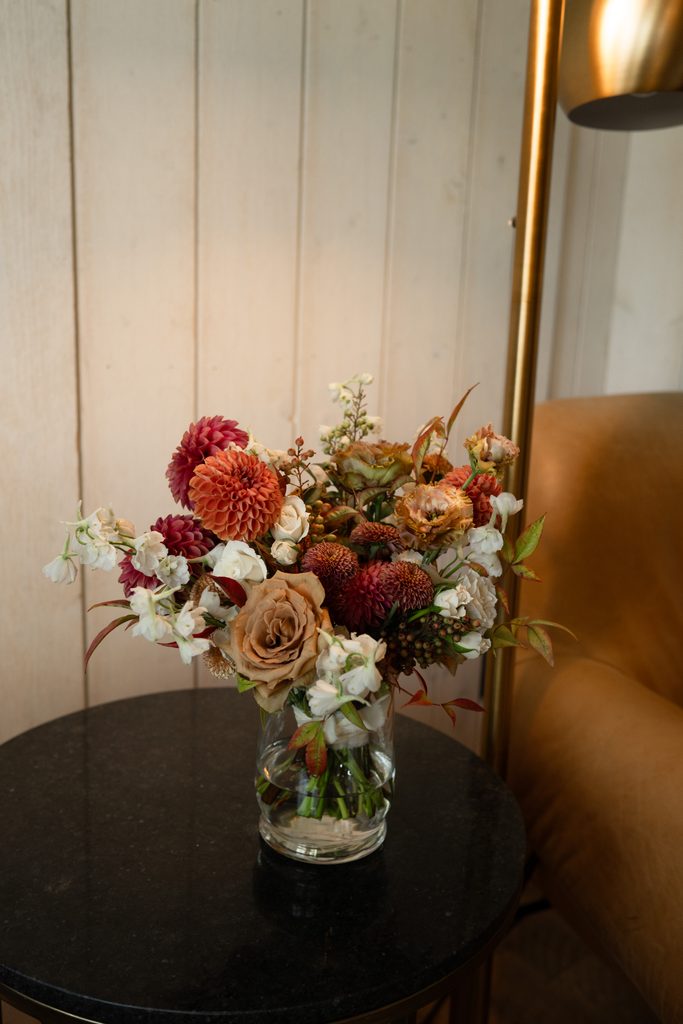
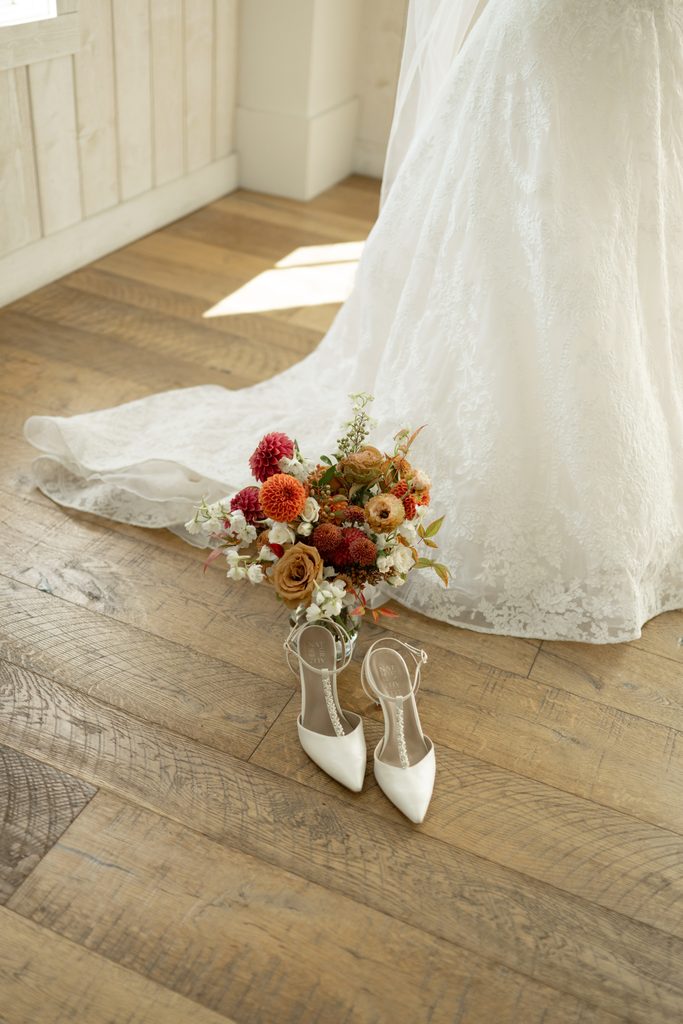
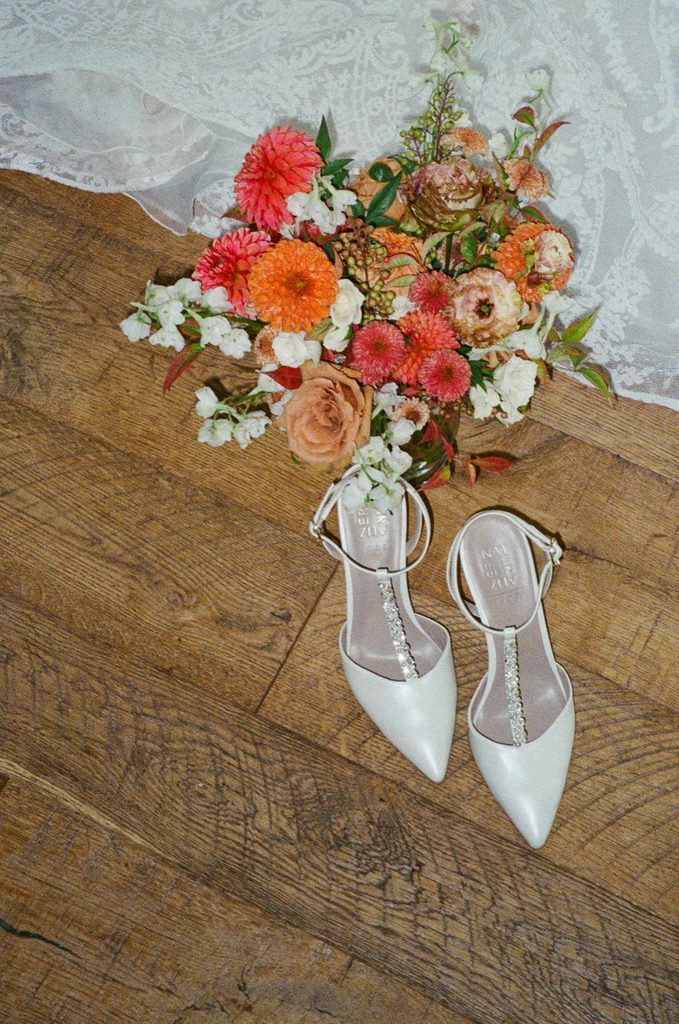
Before photography begins, gather the details you would like documented: invitations, rings, jewelry, shoes, vow books, and any meaningful heirlooms.
Ask your florist for extras so your photographer can plan accordingly.
These photographs become more personal when they include objects connected to your story.

Protect time for couple portraits
Portraits work best when you have room to be present.
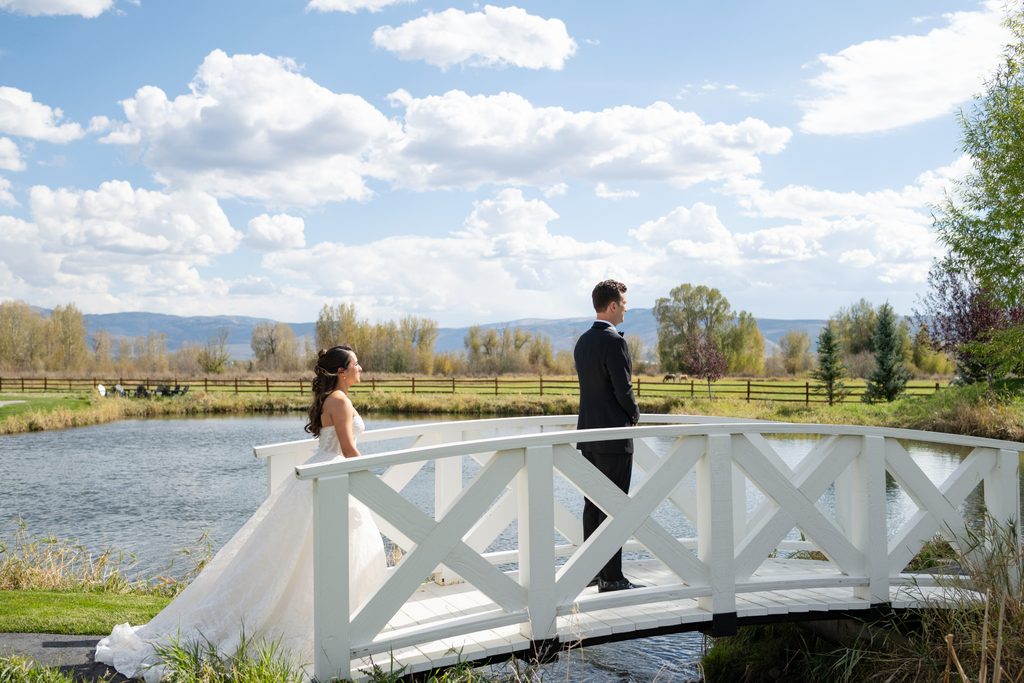
A first look can create one opportunity before the ceremony. A short break later in the day can offer another, depending on the light, weather, and schedule.
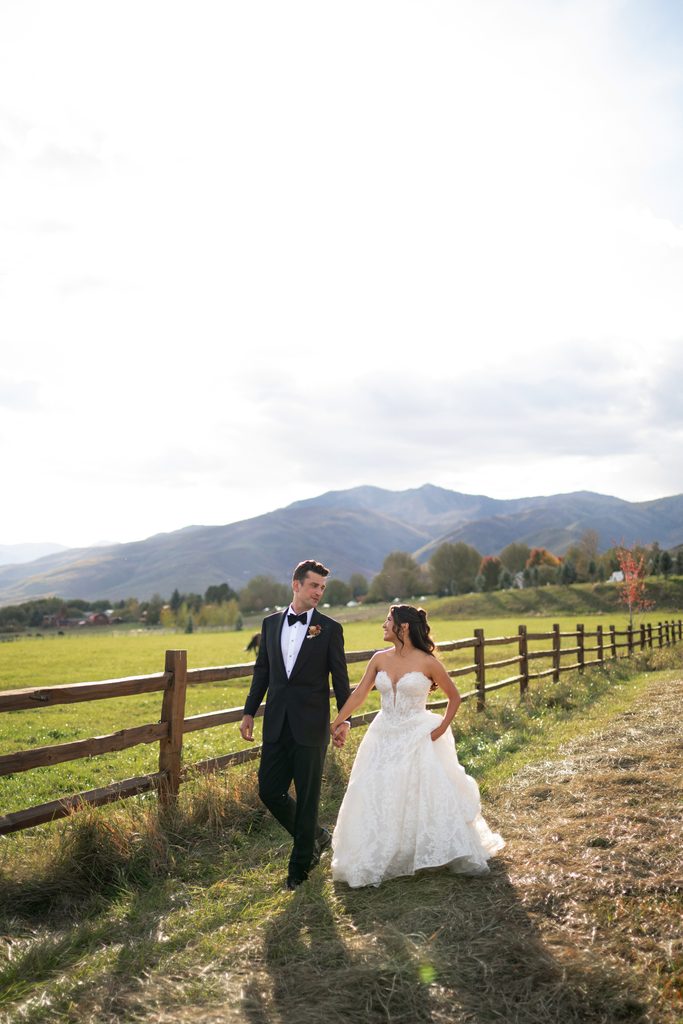
At a mountain venue, the landscape can affect when direct sunlight disappears. Your photographer should help plan around the conditions for your date rather than relying only on the listed sunset time.


Make room for candid coverage
Your gallery should include more than the planned moments.
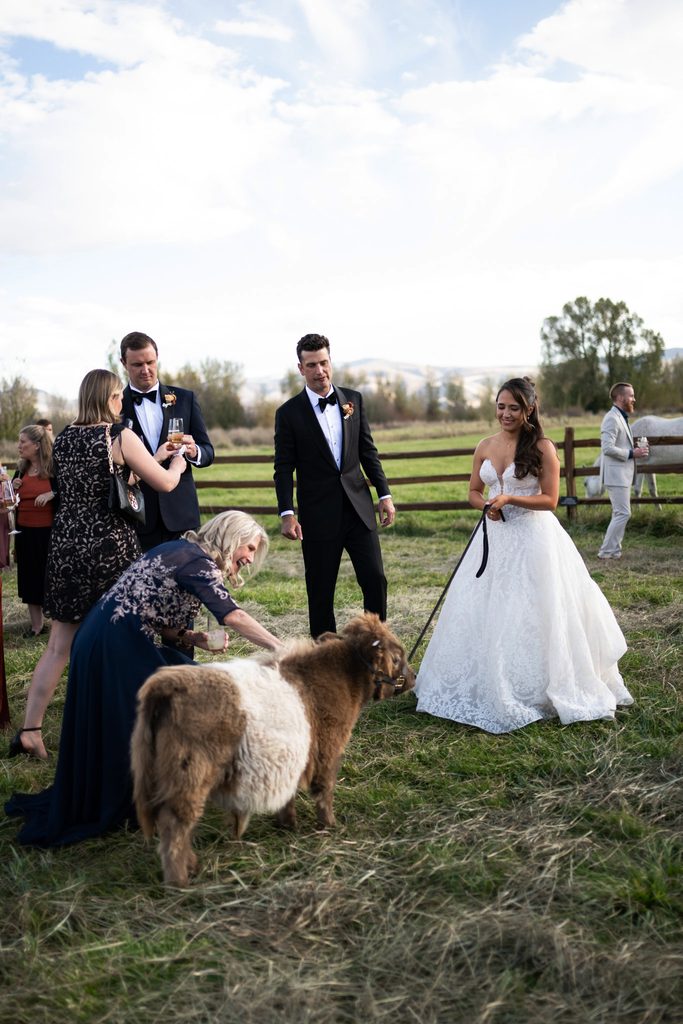
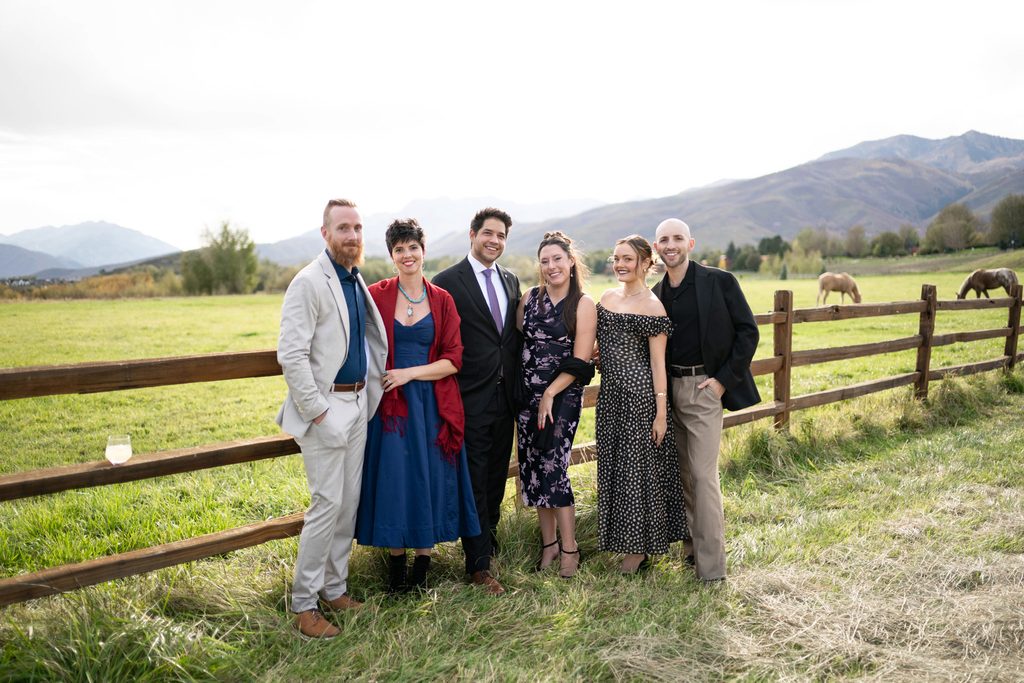
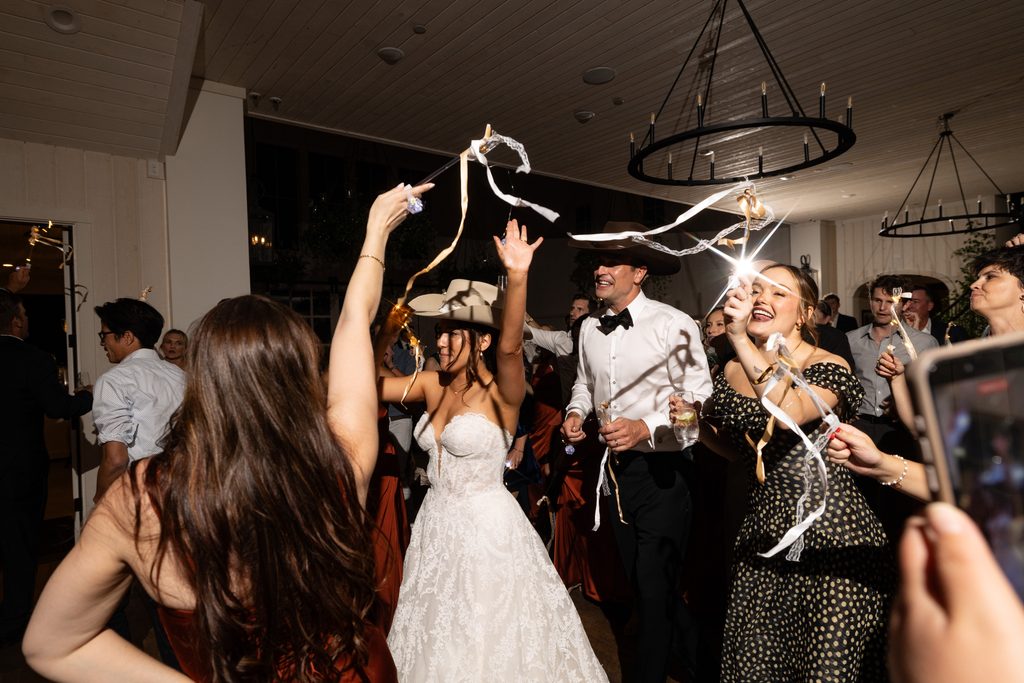
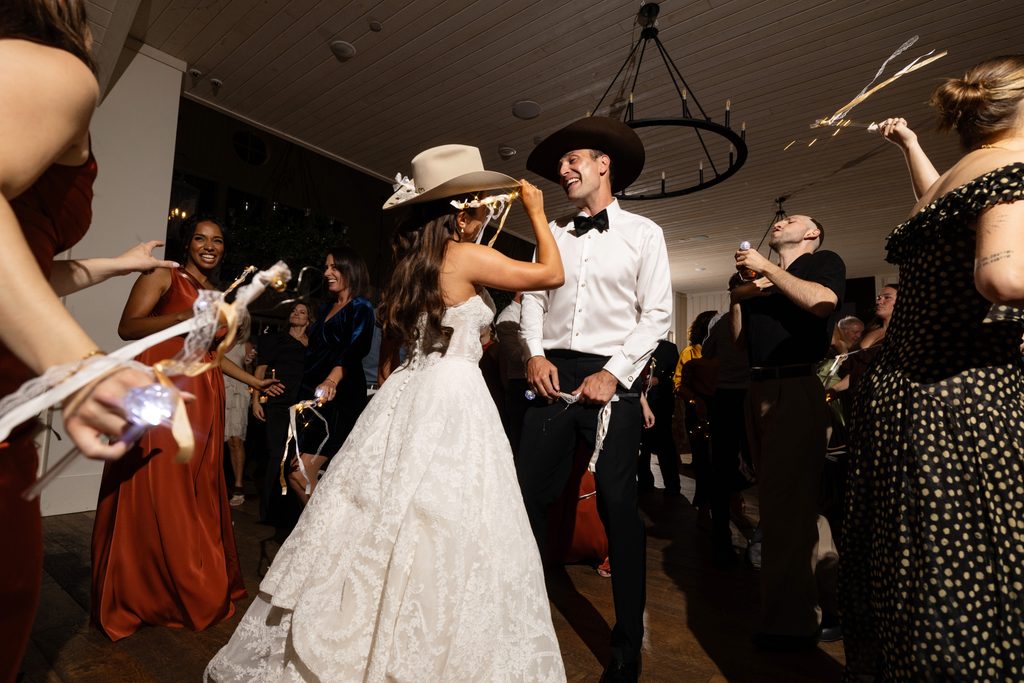
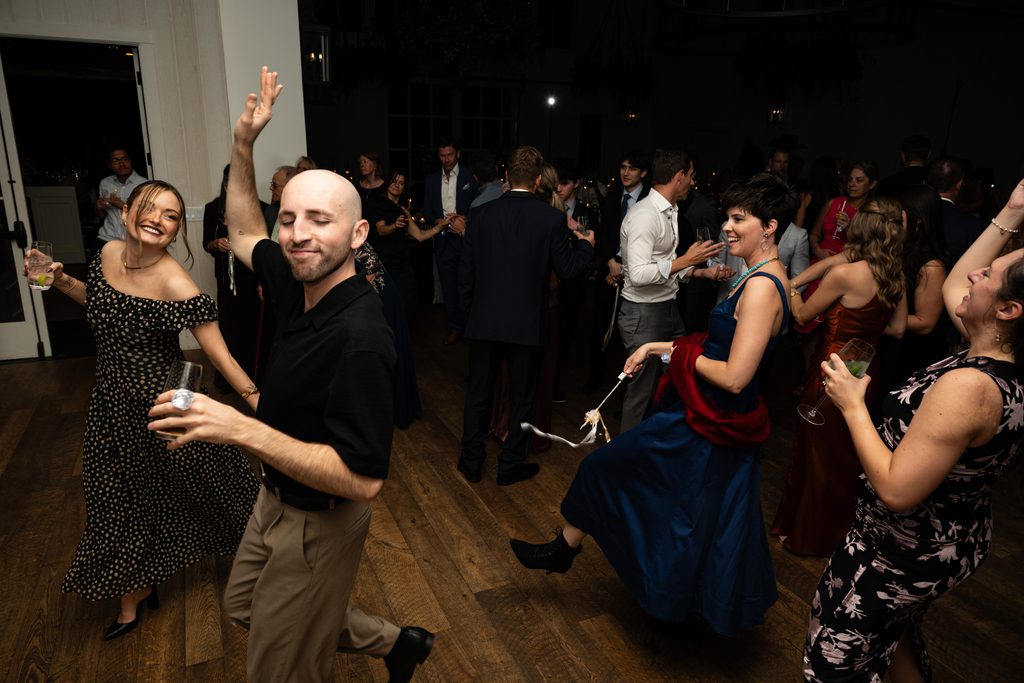
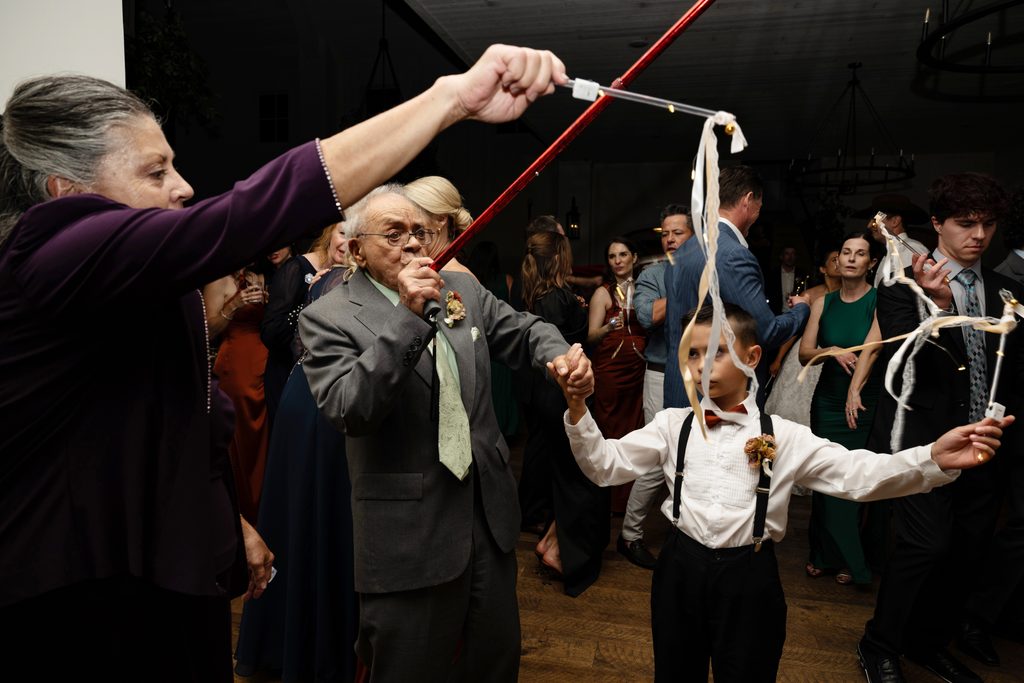
The embrace after the ceremony, a guest’s reaction during a toast, your parents watching the first dance—these photographs give the details their meaning.
A timeline with breathing room helps your photographer notice those moments while giving you time to experience them.

Digital and Film Wedding Photography at River Bottoms Ranch
If you love true-to-color photographs and timeless imagery, digital and film can be a beautiful combination.
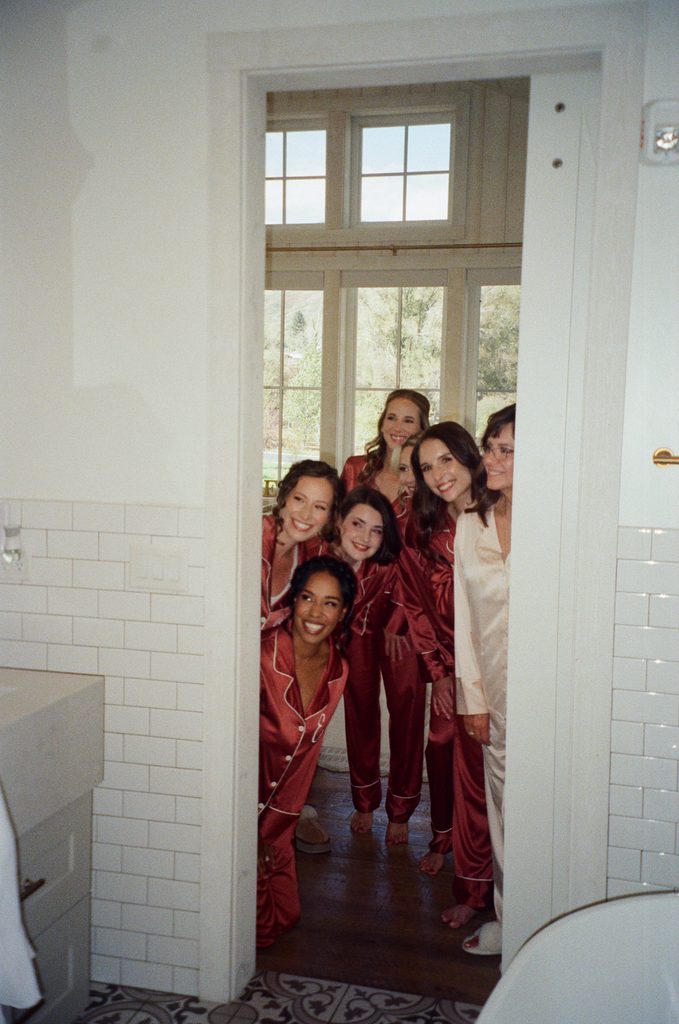
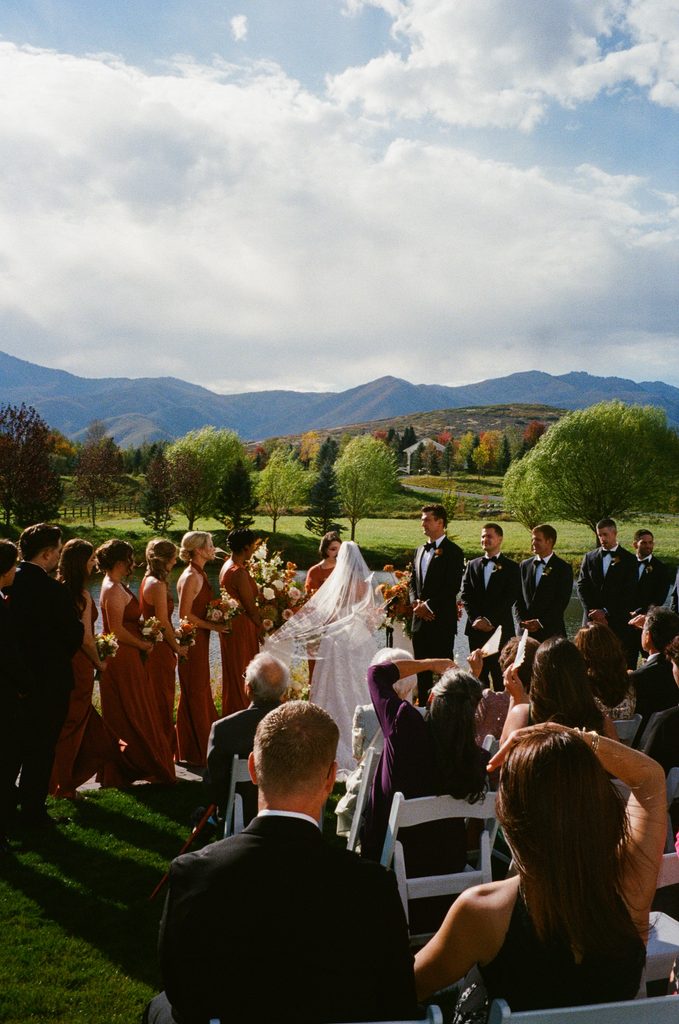
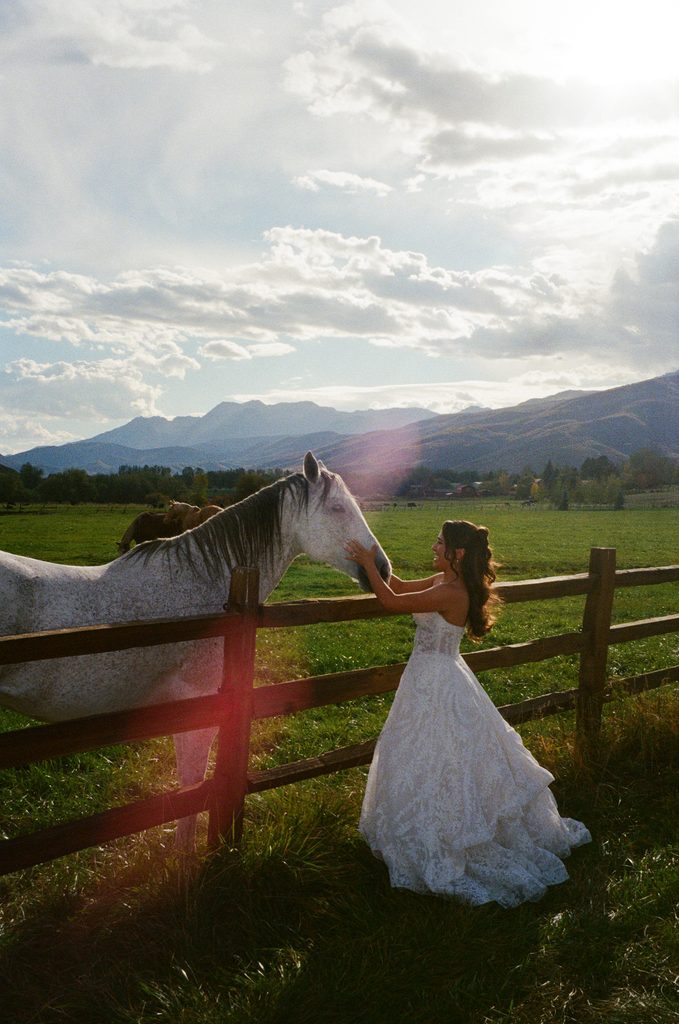
My digital coverage allows me to document changing light and fast-moving moments. Film adds another texture to the gallery, especially for portraits and thoughtfully chosen details.
I approach both with the same intention: preserving the colors, atmosphere, and feeling of your wedding.
When we discuss photography, we can talk about how a film add-on fits your priorities and the way you want to remember your day.

Building a Wedding Timeline Around Your Priorities
Before assigning times, decide what deserves space in the schedule.
For a design-focused River Bottoms Ranch wedding, I would discuss:
- When the ceremony and reception designs will be ready for photographs.
- Whether you want a first look.
- How much family and wedding party portrait time you need.
- Whether you want to attend part of cocktail hour.
- When the light is likely to suit outdoor portraits.
- How dinner, toasts, and dancing will flow.
- Which reception moments you want photographed.
Your photography timeline should be developed alongside your planner’s schedule. That helps the design, service, and photography plans support each other.
If joining your guests for cocktail hour matters to you, say so early. Your team can explore options such as taking some portraits before the ceremony and keeping the family photo list focused.


Questions to Ask During Your River Bottoms Ranch Tour
Bring your estimated guest count and a few images that show the atmosphere you’re drawn to. Then ask questions that connect the look of the wedding with the experience of hosting it:
- Which layouts work best for our guest count and dinner plans?
- What is included in the rental, and what would we need to bring in?
- How does the weather backup work for our preferred ceremony?
- What are the current planning, catering, and beverage requirements?
- What time can vendors begin setup?
- What rules apply to floral installations, lighting, candles, and décor?
- How can we make movement between spaces comfortable for guests?
- What charges should we include beyond the venue rental?
Request a current proposal and review it with your planner before finalizing the budget.
River Bottoms Ranch Wedding FAQs
Where is River Bottoms Ranch?
River Bottoms Ranch is located at 1374 North River Road in Midway, Utah. It’s a venue to consider if you’re looking for a wedding setting in the Heber Valley.
How many guests can River Bottoms Ranch accommodate?
The venue currently lists its barn’s great hall for 175 seated guests or 300 guests for a flowing reception. Your actual layout should be discussed with the venue, especially when accounting for dining, entertainment, and other design elements.
How much does a River Bottoms Ranch wedding cost?
Request the current brochure and a proposal directly from the venue. Your total wedding investment will also depend on planning services, catering, photography, florals, rentals, entertainment, and the scope of your celebration.
Can we tour River Bottoms Ranch?
The venue offers tours by appointment. Contact the team through the official River Bottoms Ranch inquiry page to arrange a visit.
When should we book our wedding photographer?
Reach out once you have your date confirmed, or while you’re narrowing down dates if photography is a major priority. Sharing your venue, design direction, and planned guest experience helps us determine whether we’re a good fit.

Your River Bottoms Ranch Wedding Photographer
If you’re drawn to River Bottoms Ranch, you may be imagining a wedding where the setting, flowers, fashion, and hospitality all feel connected.
I love photographing that kind of celebration: a day with thoughtful details, space for real emotion, and people who feel welcomed and cared for.
I’m Shannon, the photographer behind Shannon Ferrell Photography. I photograph weddings in Utah and beyond with a documentary and editorial approach, creating timeless, true-to-color images on digital and film.
If you’re planning a River Bottoms Ranch wedding, I’d love to hear about your vision—the atmosphere you want to create, the details you’re excited about, and the people you can’t wait to celebrate with.
Ready to book? Check out my work and inquire here.


Be the first to comment