How to Plan a Micro Wedding in Utah: A Guide for Couples Who Want an Intimate, Beautiful Wedding Day
How to plan a micro wedding. A wedding doesn’t have to have 150 guests to feel like a wedding.
For many couples, the idea of spending an entire day moving from one scheduled event to another, trying to greet hundreds of guests, and stretching a budget across a large guest list simply doesn’t feel right. Instead, they’re choosing something smaller and more intentional: a Utah micro wedding with the people they love most.
A micro wedding gives you the opportunity to have the beautiful details you care about. Incredible florals, a thoughtfully designed dinner, a beautiful venue, and photographs you will actually treasure without creating a wedding day around a guest list of people you barely know.
Utah is an incredible place for this kind of celebration. From mountain estates and intimate venues in Park City to desert landscapes around Moab and Southern Utah, there are countless ways to create a wedding that feels elevated, personal, and completely your own.
If you’re newly engaged and wondering how to plan a micro wedding or a smaller wedding in Utah, here’s where I’d start.

What Is a Micro Wedding?
A micro wedding is essentially a small, intentionally planned wedding.
There isn’t one official guest count that defines a micro wedding, but they’re commonly considered weddings with somewhere around 10–50 guests. Unlike an elopement, a micro wedding usually includes many of the elements you’d expect from a traditional wedding: a ceremony with guests, dinner or reception, meaningful traditions, and time spent celebrating with your closest people.
The important distinction is that a micro wedding isn’t necessarily a lesser version of a traditional wedding. It’s a different way of approaching the day.
Instead of asking, “How can we fit 150 people into our budget?” you can ask:
“What would our wedding day look like if we only invited the people who matter most?”
That shift can completely change the experience.
You might have 25 guests gathered around a long dinner table at a beautiful Utah estate, surrounded by abundant seasonal florals, enjoying a multi-course meal and listening to your closest friends give toasts.
You might exchange vows overlooking the mountains before heading to an intimate dinner in Park City. Or you might have your ceremony surrounded by red rock and spend the evening around a long table under the stars. A micro wedding gives you room to be intentional without sacrificing.

Micro Wedding vs. Elopement: What’s the Difference?
These two terms are often used interchangeably, but they’re actually quite different.
Elopements are centered around the couple while a micro wedding is centered around the couple and a small group of guests.
An elopement
An elopement typically involves just the couple, an officiant, a photographer, and possibly just 2 witnesses. There generally isn’t a traditional reception. Instead, the day might include private vows, portraits, exploring a beautiful location, and ending with dinner somewhere meaningful. An elopement can be incredibly flexible as well. You could get married at a courthouse in the morning, take portraits around Salt Lake City, and have dinner at one of your favorite restaurants.
Or you could exchange vows somewhere in the Utah desert and spend the afternoon exploring together.
A micro wedding
A micro wedding usually includes a larger group of loved ones, often somewhere between 10 and 50 guests and retains more of the traditional wedding structure.
You might have:
- A ceremony
- A bridal party
- Family portraits
- Cocktail hour
- A seated dinner
- Champagne toast
- First dance
- Cake cutting
- Speeches
- Dancing
- A formal reception
The difference is that you’re experiencing all of those things with a much smaller group of people.
Current wedding-planning resources generally describe micro weddings as small weddings with a guest list of up to roughly 50 people, while elopements tend to be much more couple-focused and involve few or no guests.
Which one is right for you?
If you can’t imagine your wedding day without your parents, siblings, grandparents, or closest friends there, a micro wedding may be the better fit.
If the thought of coordinating a guest list, seating arrangements, dinner, and a reception sounds exhausting and what you really want is an experience centered around the two of you an elopement may make more sense.
Neither is better.
The question is simply:
Who do you want standing beside you when you get married, and how do you want to spend the rest of the day?
How to Plan a Utah Micro Wedding
1. Start With Your Guest List
Before you choose a venue or start building a Pinterest board, decide how many people you actually want there.
This is one of the most important decisions you’ll make because your guest count affects nearly everything else.
Start with the question:
Who would we genuinely miss if they weren’t there?
For some couples, that might mean 12 people.
For others, it might mean 35.
You don’t have to invite someone simply because you attended their wedding, because they’re a distant relative, or because you feel like you should invite them.
A micro wedding works best when the guest list feels intentional.
2. Decide What You Want to Spend More Money On
One of the biggest advantages of having a smaller wedding is that you’re no longer spreading your budget across hundreds of people.
That gives you an opportunity to invest more heavily in the things that actually matter to you.
Maybe that’s:
The venue:
Instead of a large ballroom, choose a private estate, mountain lodge, boutique hotel, or beautifully designed wedding venue.
The food:
Think about a dinner your guests will actually talk about afterward rather than a standard banquet meal.
The florals:
A smaller guest count can give you more room in the budget for beautiful, seasonal arrangements.
The photography:
Your wedding photos will be one of the few tangible things you carry with you long after the wedding is over.
The guest experience:
Welcome gifts, transportation, handwritten notes, a private chef, or an incredible dinner can make a small wedding feel incredibly special.
The goal isn’t necessarily to spend less.
It’s to spend more intentionally.
A smaller wedding can still be a luxury wedding. In fact, the smaller guest list can make it easier to create an elevated experience because you’re investing in fewer people and can put more attention into the details they will actually experience.
3. Choose a Utah Venue That Fits the Experience
Once you know your approximate guest count and budget, start looking at venues.
Utah gives you an unusually wide range of options for an intimate wedding.
You could plan a mountain wedding near:
- Park City
- Deer Valley
- Sundance
- Salt Lake City
- Millcreek Canyon
- Big Cottonwood Canyon
Or head south for something completely different:
- Moab
- St. George
- Springdale
- Southern Utah
- Red rock desert locations
You can also look at private estates, boutique hotels, restaurants, ranches, and smaller wedding venues.
For couples planning a more elevated micro wedding, I particularly love the idea of choosing a venue that already feels beautiful before you add a single decoration.
That means the architecture, landscape, tablescape, and surroundings are doing some of the work for you.
4. Build Your Vendor Team Around Your Priorities
A micro wedding doesn’t mean you have to skip professional vendors.
In fact, because you’re working with a smaller guest count, you can often be more selective about who you bring into the day.
Depending on your plans, your vendor team might include:
- Wedding planner or coordinator
- Photographer
- Florist
- Caterer or private chef
- Hair and makeup artist
- Officiant
- Videographer
- Baker
- Musicians or DJ
You may not need every vendor on this list.
The important thing is choosing vendors who understand the kind of experience you’re trying to create.
If your vision is an intimate, elevated Utah wedding, you don’t necessarily need more things.
You need the right things.
5. Plan Your Wedding Day Around the Experience — Not Just the Ceremony
One of my favorite things about micro weddings is that you don’t have to treat the ceremony as the finish line.
Your wedding day can continue long after you’ve said your vows.
Rather than planning a four-hour wedding that ends immediately after family photos, think about what you actually want to do together.
Maybe that’s a beautiful dinner with champagne and cake.
Or maybe it’s renting a vintage car and exploring Utah or maybe it’s simply sitting around a fire with your closest friends.
Your wedding day doesn’t have to follow a traditional formula.
A Sample 4-Hour Utah Micro Wedding Timeline
A four-hour micro wedding can actually include quite a lot when the guest list is intentionally small.
Here’s an example:
2:00 PM — Getting Ready & Details
Photographer arrives and photographs the dress, rings, invitations, florals, shoes, and other meaningful details.
If you’re getting ready at the same location, this is also a beautiful opportunity for candid photographs with your closest friends or family.
2:30 PM — First Look
You and your partner have a private first look.
This gives you a few quiet minutes together before the ceremony and allows you to complete some portraits before guests arrive.
2:50 PM — Couple + Wedding Party Portraits
Take advantage of the beautiful Utah surroundings for portraits while everyone is fresh and the timeline is relaxed.
3:20 PM — Ceremony
Your closest people gather for the ceremony.
Keep it meaningful rather than long.
Exchange vows, rings, and whatever traditions feel important to you.
3:45 PM — Family Portraits
Because you’re having a micro wedding, family portraits don’t need to take forever.
With a small, intentional guest list, you can move through these quickly while still getting the combinations you’ll want.
4:00 PM — Cocktail Hour
Let your guests enjoy drinks and appetizers while you take a few additional portraits together.
This is also a great opportunity for documentary-style photographs of your guests interacting.
4:30 PM — Dinner + Toasts
Gather everyone around one beautiful table for dinner.
Have your closest people give a few short toasts.
5:15 PM — First Dance + Cake
Have your first dance, cut the cake, or simply enjoy dessert together.
5:30 PM — Wedding Ends / Continue the Celebration
And this is where you get to decide what happens next.
You don’t have to call it a night simply because your four-hour photography coverage has ended.
What Can You Do After Your Micro Wedding?
This is where I think couples can get really creative.
Your wedding doesn’t have to end when the photographer leaves.
Have a private dinner
Reserve a beautiful restaurant or private dining room and continue celebrating with your closest people.
For a truly elevated experience, consider hiring a private chef at your rental or estate.
Have a champagne toast at sunset
If you’re somewhere with beautiful scenery, head outside after dinner and have a champagne toast while the sun goes down.
Rent a vintage car
Drive around Utah together after the ceremony and stop somewhere beautiful for photographs, drinks, or dessert.
Plan a sunset picnic
Pack champagne, a beautiful dessert, blankets, and a few of your favorite foods.
It doesn’t have to be complicated.
Go somewhere scenic
If your micro wedding is in Moab or Southern Utah, consider making the rest of the day about experiencing the landscape together.
You could visit a scenic overlook, explore a nearby area, or simply sit together and watch the sunset.
Have a bonfire
For a mountain wedding, end the night around a fire with drinks, blankets, and your closest people.
Stay at a beautiful hotel
Turn your wedding into an entire weekend.
Book a beautiful hotel or resort, have dinner together, and spend the next morning having breakfast with the people you love.
Have a private after-party
If you still want dancing but don’t want to dedicate your entire wedding reception to it, head somewhere afterward for drinks and music.
Don’t Forget About the Details
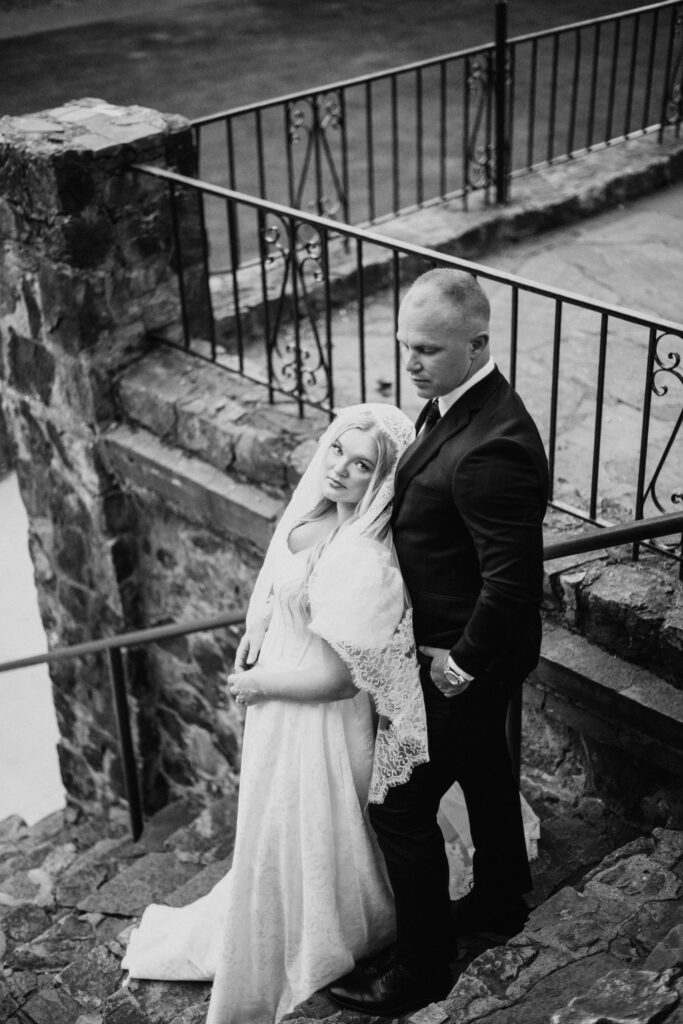
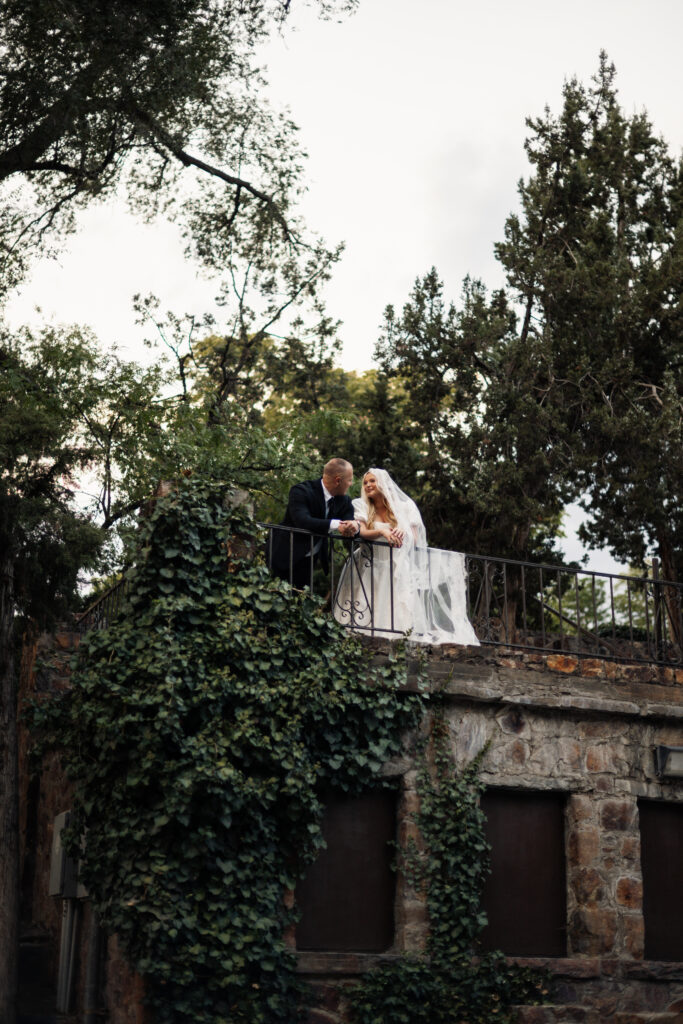
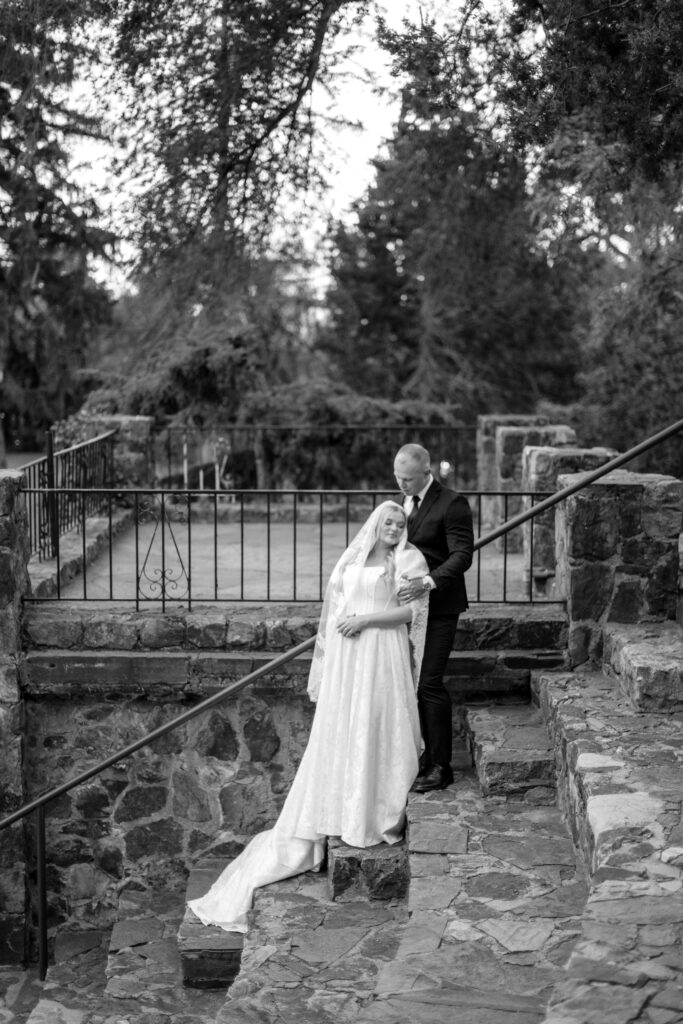
One of the best parts of a small wedding is that you can make the details feel incredibly personal.
Instead of 150 identical place settings, you could create a beautifully designed dinner table for 25 people.
Replace the generic wedding favors and give each guest something chosen specifically for them.
Instead of a giant floral installation that has to fill a ballroom, create one incredible ceremony arrangement and carry those flowers through to dinner.
Think about:
- Handwritten notes for each guest
- Custom menus
- Beautiful paper goods
- Seasonal floral arrangements
- Personalized place settings
- A signature cocktail
- Family heirlooms
- A curated dinner menu
- Custom wedding cake
- Welcome baskets
- Meaningful music
- Film photography
- A private chef
- Candlelit dinner
- Lounge furniture
- Champagne tower
When you’re only hosting 20 or 30 people, the little things become much more noticeable.
Give Yourself Permission to Break the Rules
You don’t have to have a 30-minute ceremony or a bridal party.
You don’t have to cut a cake or a DJ.
There is no need to spend four hours taking formal family photographs.
And you don’t have to invite 150 people simply because that’s what weddings traditionally look like.
Your wedding can be whatever makes sense for the two of you.
Maybe that’s a ceremony in the mountains followed by dinner.
Maybe it’s a private estate wedding with 30 guests.
It could be getting married at the Utah State Capitol and spending the evening at your favorite restaurant.
Or even a desert ceremony followed by champagne and a sunset picnic.
A micro wedding isn’t about having less of a wedding.
It’s about having a wedding where every part of the day has a reason to be there.
Your Utah Micro Wedding Can Still Feel Like a Once-in-a-Lifetime Event
Choosing a smaller wedding doesn’t mean sacrificing the beautiful experience you’ve been imagining.
In many ways, it can allow you to create more of it.
With fewer guests, you have more time to actually talk to the people you invited.
You can choose a venue because you genuinely love it rather than because it can accommodate 200 people.
You can spend more on flowers, food, photography, and the details that make the day feel like yours.
And most importantly, you can create a wedding day that feels less like an event you’re hosting and more like a meaningful experience you’re actually living through together.
If you’re planning an intimate wedding in Utah, I’d love to photograph it for you. I photograph weddings using both digital and film photography, creating galleries that feel timeless, true to color, and full of the moments you might not notice while they’re happening.
Whether you’re planning an intimate mountain wedding, a private estate celebration, or a small desert wedding in Southern Utah, your guest count doesn’t determine how meaningful your wedding can be.
Ready to start planning? Check out my work and inquire here.


Be the first to comment