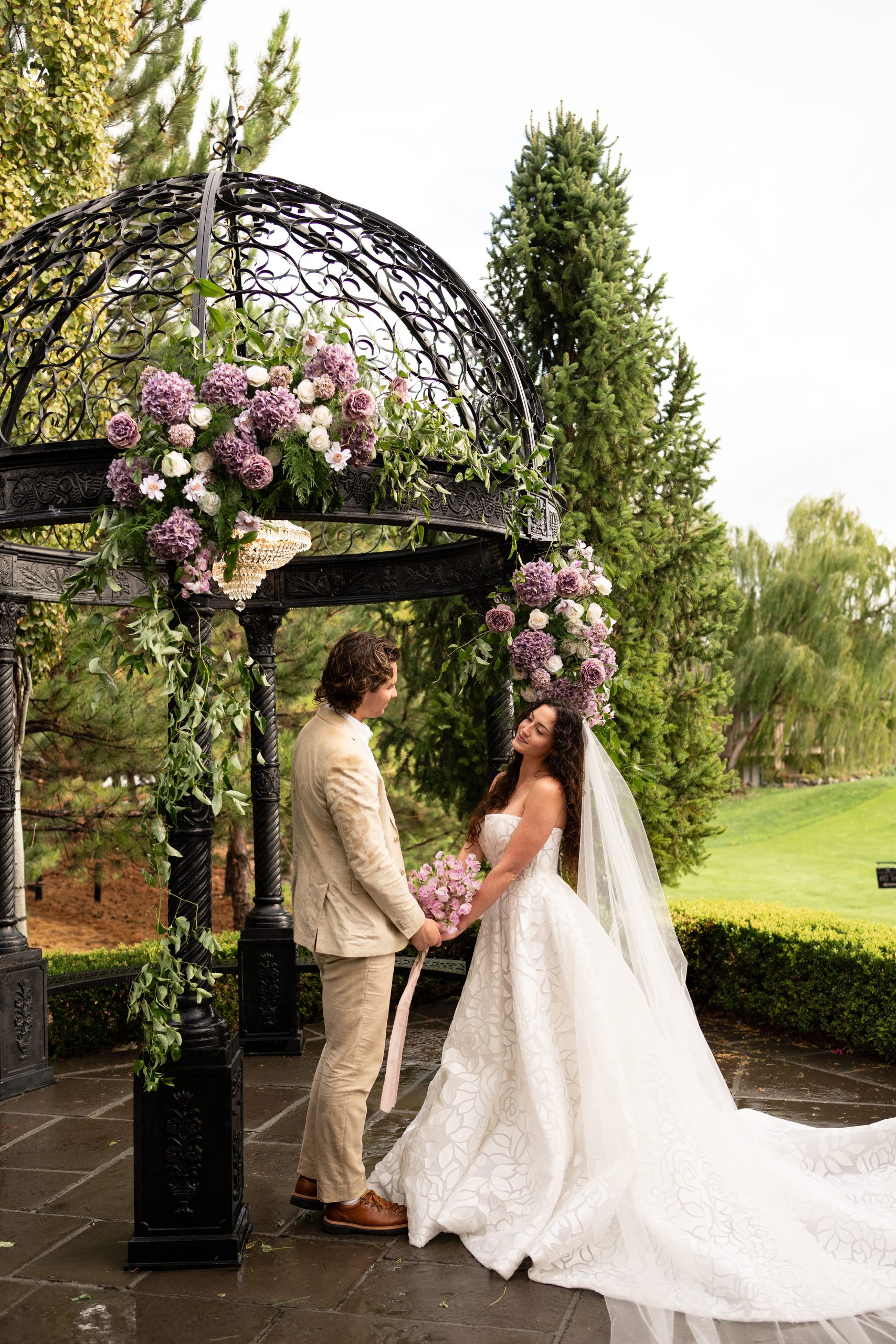
Sleepy Ridge wedding timeline
You’ve chosen your venue, started imagining your flowers, and pictured the people you want beside you. Now comes a question that shapes the whole celebration: how should your wedding day actually flow?
A thoughtful Sleepy Ridge wedding timeline gives you time for the photographs you care about, space to enjoy your guests, and a comfortable pace from getting ready through the reception.
If you’re planning a wedding at Sleepy Ridge in Orem, Utah, start with how you want the day to feel. Perhaps you want a quiet first look, a beautiful dinner, and plenty of dancing. Maybe joining cocktail hour matters more to you than an extended portrait session.
As a Utah wedding photographer, I help couples think through those priorities before assigning times. Here’s how to build a schedule that supports both your photographs and your experience.
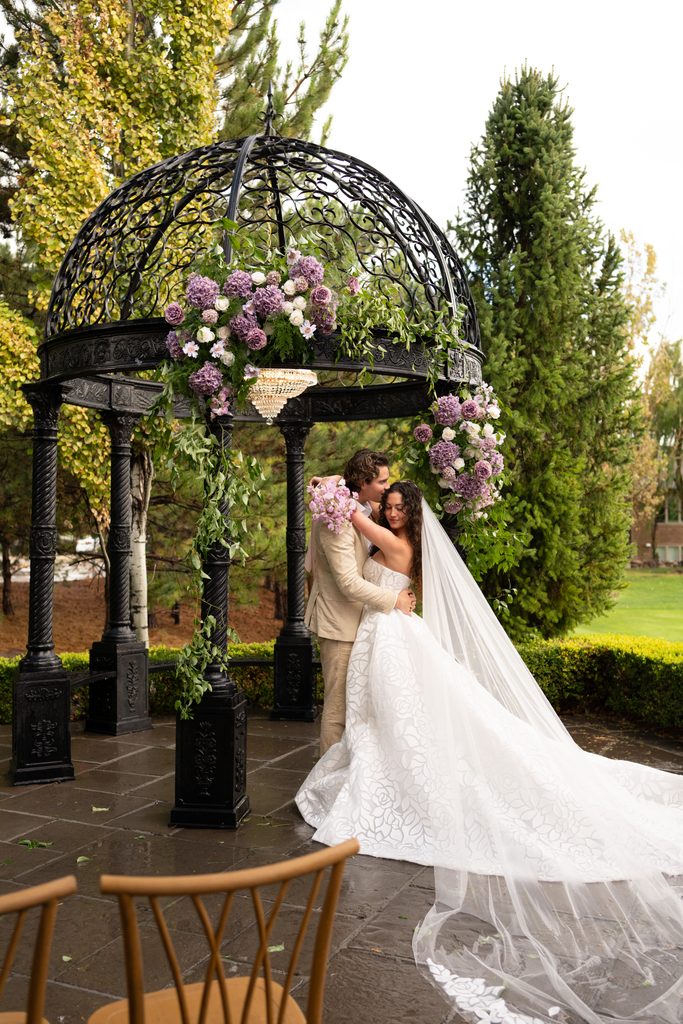
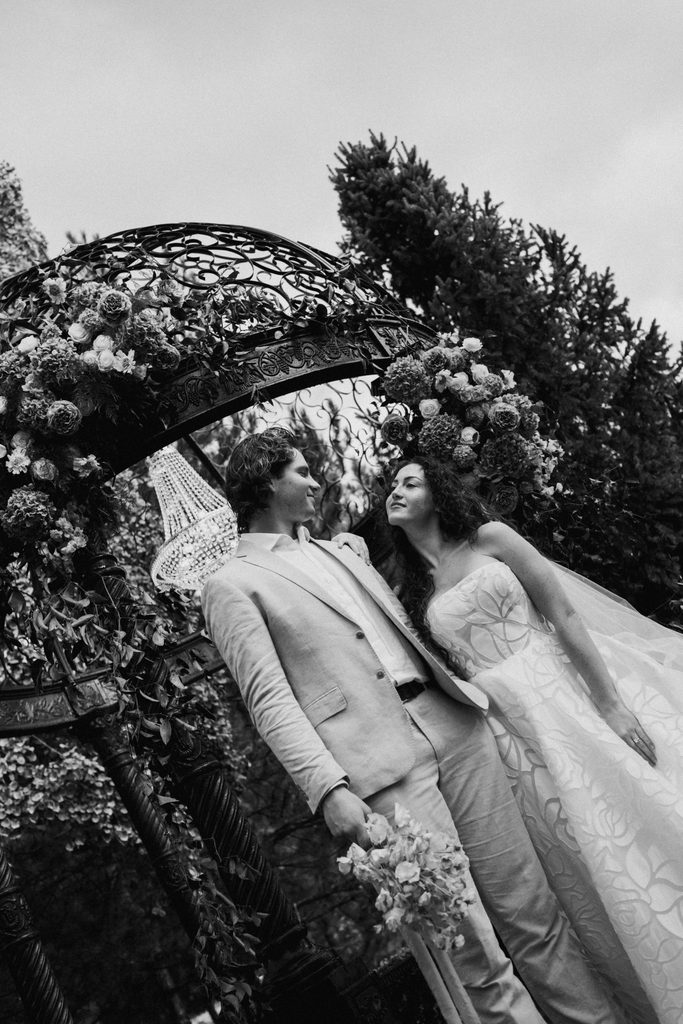
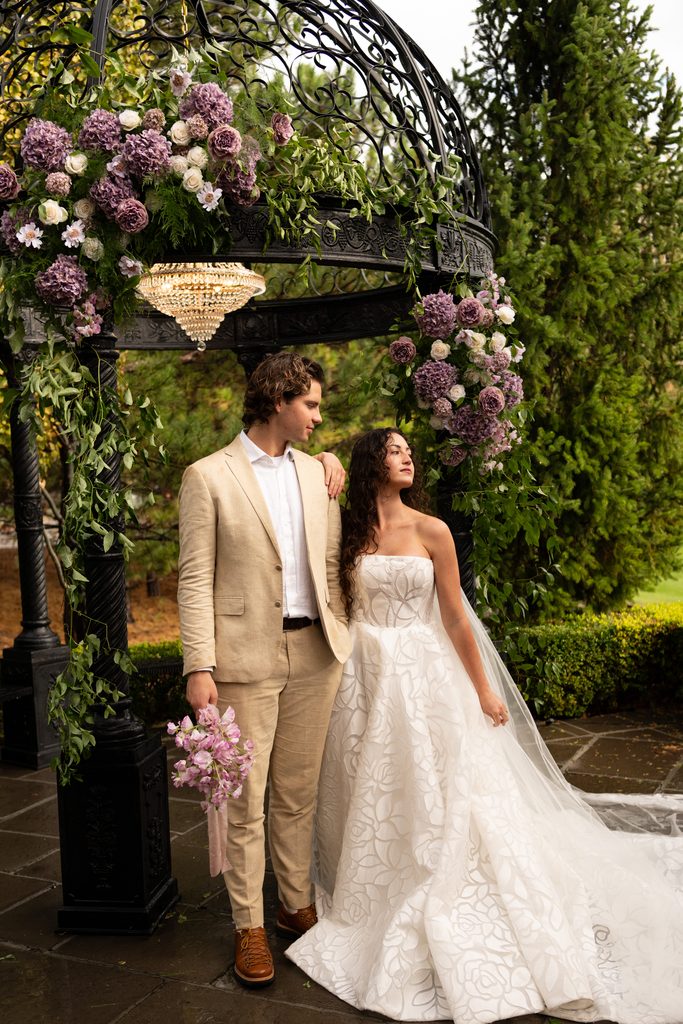
Start With Your Wedding Day Priorities
Before choosing a ceremony time, write down the three experiences that matter most to you.
Your list might include:
- A relaxed morning with your closest people.
- A private first look.
- Family photographs without a long wait.
- Time to enjoy cocktail hour.
- A beautifully paced dinner.
- Evening couple portraits.
- A full dance floor.
Share those priorities with your planner and photographer. They provide a useful starting point when decisions compete for the same time.
For example, if attending cocktail hour is important, taking some portraits before the ceremony may help. If you want your first meeting to happen at the aisle, protect enough time afterward for the photographs you want.
Confirm Your Venue Access Before Scheduling Anything Else
Your contracted access hours should guide your timeline.
Before booking hair and makeup appointments or assigning vendor arrival times, confirm the current arrangements directly with Sleepy Ridge.
Ask:
- When can the couple and wedding party arrive?
- When can vendors begin setup?
- Which preparation spaces are included?
- When does the ceremony area need to be ready?
- Are any spaces being reset during the celebration?
- When must music end and cleanup finish?
Your vendors need to work within those hours. If preparation needs to begin earlier, arrange an appropriate off-site location and include travel in the schedule.


How to Choose Your Sleepy Ridge Ceremony Time
The best ceremony time depends on your season, dinner plans, photography priorities, and confirmed venue arrangements.
Rather than choosing a time in isolation, work backward and forward from the ceremony.
Think about the light
Ask your photographer how the likely light could affect your ceremony and portraits.
A sunset time alone doesn’t tell the whole story. Buildings, shade, weather, and the location of the ceremony can influence how the light looks and feels.
If outdoor photographs matter to you, discuss them before finalizing the schedule.
Consider guest comfort
For an outdoor ceremony, think about temperature, direct sun, and how long guests will be seated.
Ask your venue team what they recommend for your date and layout. Build a clear weather alternative with your planner.

Connect the ceremony to dinner
Consider what happens immediately after your vows.
Will guests enjoy refreshments while you take family photographs? Are you joining them? How long does the caterer need before serving dinner?
Those details help determine whether the ceremony time creates a comfortable evening.
Should You Have a First Look?
A first look is totally a personal choice. Its main scheduling benefit is the opportunity to complete some photographs before the ceremony.
If you choose a first look
You may be able to take couple and wedding party portraits beforehand, depending on your schedule.
This can leave more time after the ceremony for family photographs and visiting with guests.
Allow a few quiet minutes for the first look itself. It should have room to feel like a meaningful moment rather than another appointment.
If you prefer to meet at the ceremony
Plan your portraits afterward and let your guests know what to expect.
A defined family photo list and a comfortable place for guests to gather can help this part of the day feel organized.
You can also discuss taking separate wedding party or immediate-family photographs before the ceremony where appropriate.
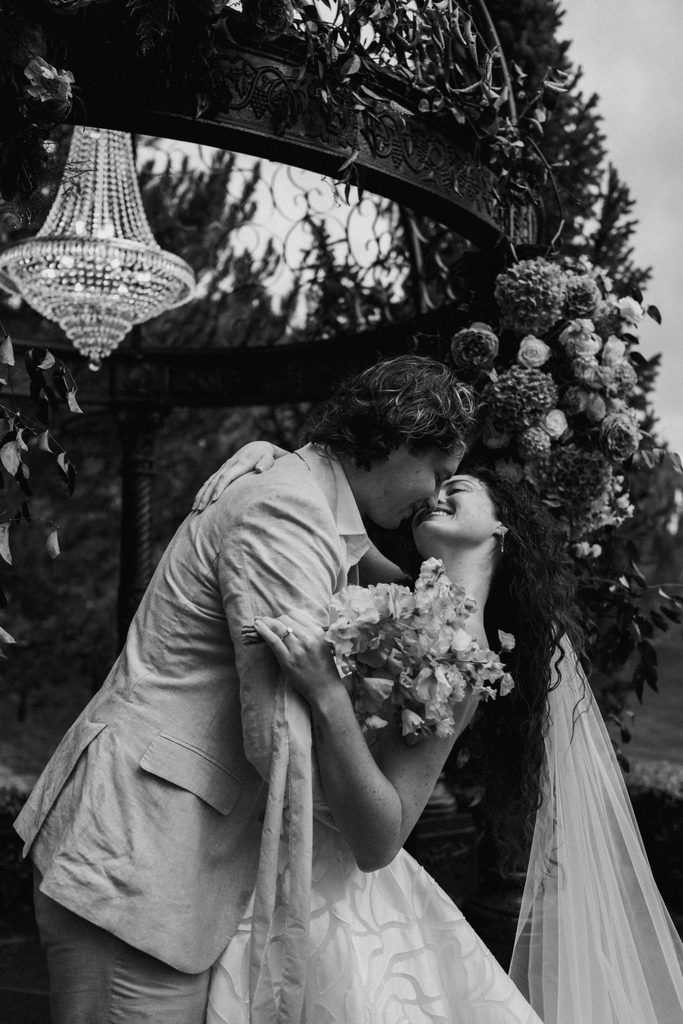

How Much Time Should You Allow for Wedding Photos?
Your photographer should recommend timing based on your actual plans. As an initial planning framework, consider these approximate windows:
| Part of the day | Starting point for planning |
|---|---|
| Details and finishing touches | 30–45 minutes |
| Getting dressed | 20–30 minutes |
| First look and couple portraits | 30–45 minutes |
| Wedding party photographs | 20–30 minutes |
| Family photographs | 20–30 minutes |
| An additional evening portrait break | 10–20 minutes |
These are estimates, not a fixed schedule. Larger groups, travel, mobility needs, and more involved portrait plans may require additional time.
Some coverage can overlap naturally, while other moments need their own space. Your photographer can help you decide what is realistic.
Protect Time to Photograph Your Wedding Details
If you’ve carefully selected flowers, linens, stationery, and place settings, coordinate time to have them photographed.
Ask your planner when the ceremony and reception spaces will be fully finished. Then work with your photographer to identify a window before guests enter, where possible.
This might involve completing table styling earlier or adjusting the order of portraits.
A little coordination helps preserve the full design alongside photographs of the celebration unfolding.
Gather personal items before coverage begins
Keep the details you want photographed together:
- Invitation suite.
- Rings.
- Shoes and jewelry.
- Vow books.
- Meaningful heirlooms.
Coordinate flower delivery if you would like your bouquet included. Having everything ready helps the morning feel easier.
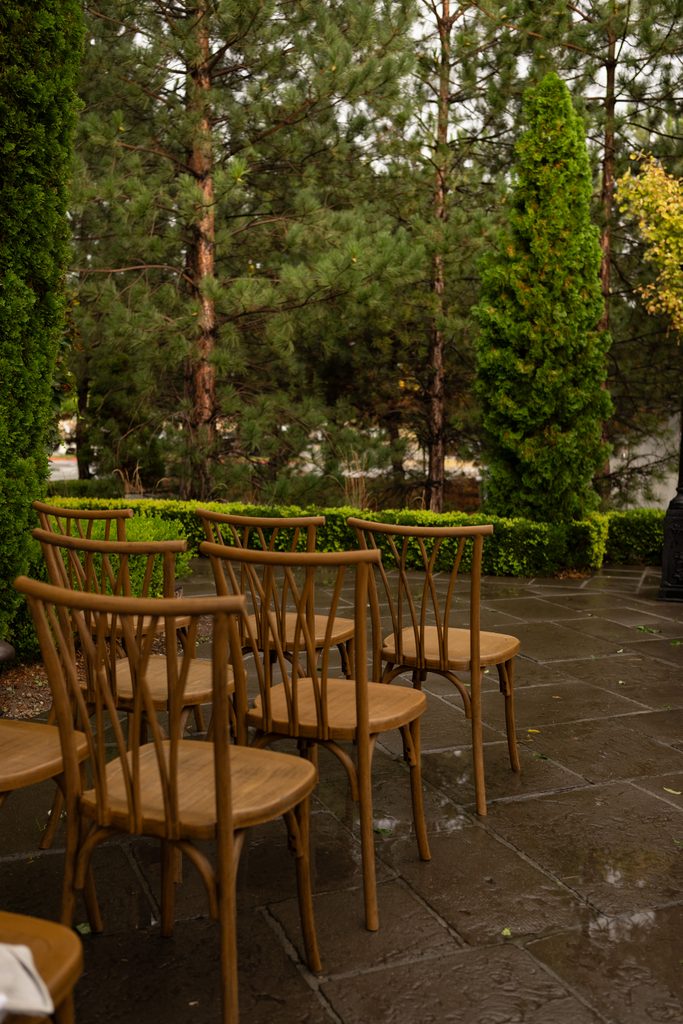

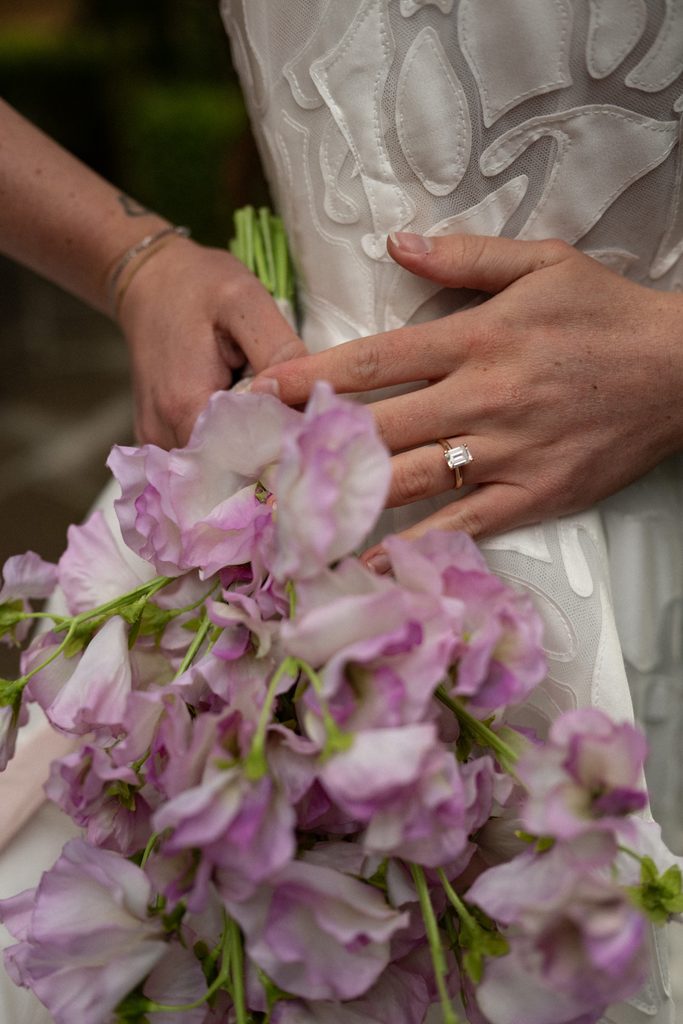
A Sample Sleepy Ridge Wedding Timeline With a First Look
This example assumes an on-site ceremony and reception. Use it as a starting point, then adjust it around your contracted venue hours, season, and vendor needs.
- 1:00 p.m. — Photography begins with details and final preparations
- 1:45 p.m. — Get dressed
- 2:15 p.m. — First look and couple portraits
- 3:00 p.m. — Wedding party photographs
- 3:30 p.m. — Buffer and a quiet break
- 4:00 p.m. — Ceremony
- 4:30 p.m. — Family photographs and guest refreshments
- 5:00 p.m. — Join your guests
- 5:45 p.m. — Dinner
- 6:30 p.m. — Toasts
- 7:00 p.m. — First dance and reception
- 9:00 p.m. — Photographer end time
If you want an additional outdoor portrait break, place it according to the light on your date. It may belong before dinner, between reception events, or earlier in the afternoon.
Planning Without a First Look
If you prefer to see each other at the ceremony, the main change is protecting more portrait time afterward.
A possible sequence is:
- Getting ready and personal details.
- Separate portraits, where desired.
- A break before the ceremony.
- Ceremony.
- Family photographs.
- Wedding party photographs.
- Couple portraits.
- Dinner and reception.
Talk with your photographer about how long that sequence will take. Your planner can coordinate refreshments and a comfortable experience for guests during the portrait window.
Avoid promising that you’ll be finished in a few minutes if your photo list requires substantially longer.
What If You’re Having a Temple Ceremony First?
If your ceremony is elsewhere and your reception is at Sleepy Ridge, build a separate schedule for each location.
Include time for:
- Gathering family after the ceremony.
- Group photographs.
- Couple portraits.
- Transportation.
- Eating and taking a break.
- Any attire changes or touch-ups.
- Reception preparation and detail photographs.
Confirm ceremony logistics with the relevant location and give your photographer the complete plan.
A generous travel buffer is especially helpful when several family groups are moving independently.
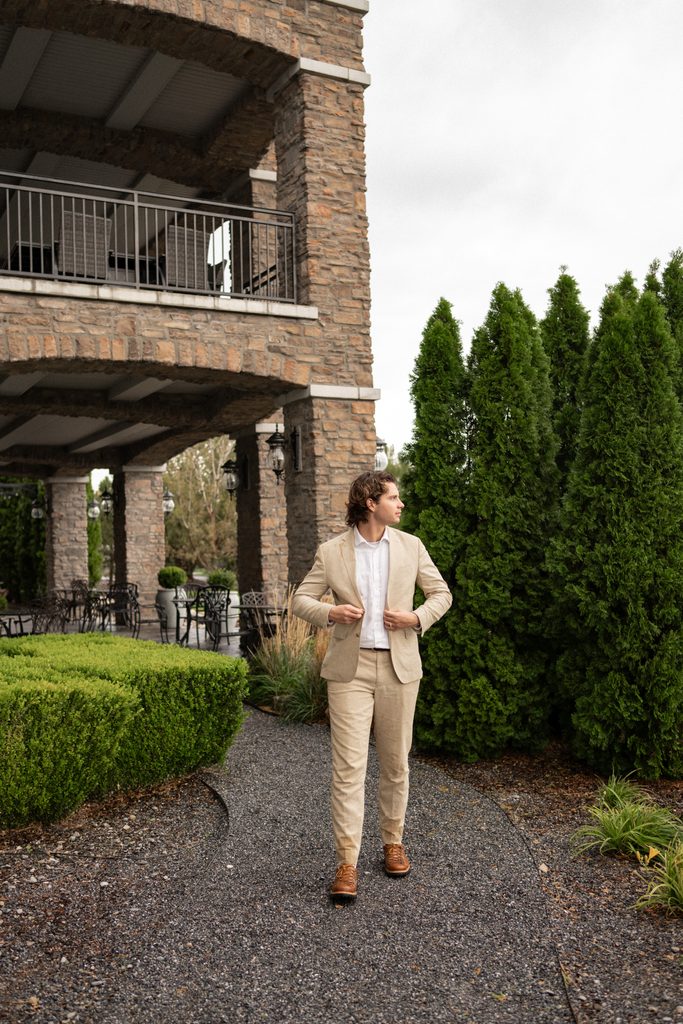
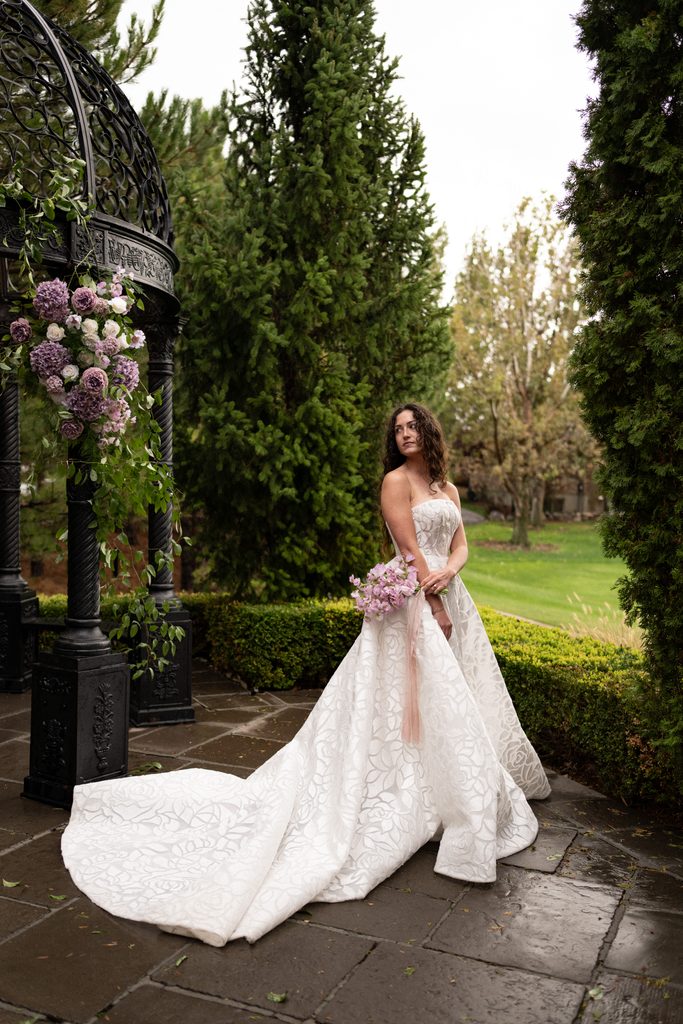
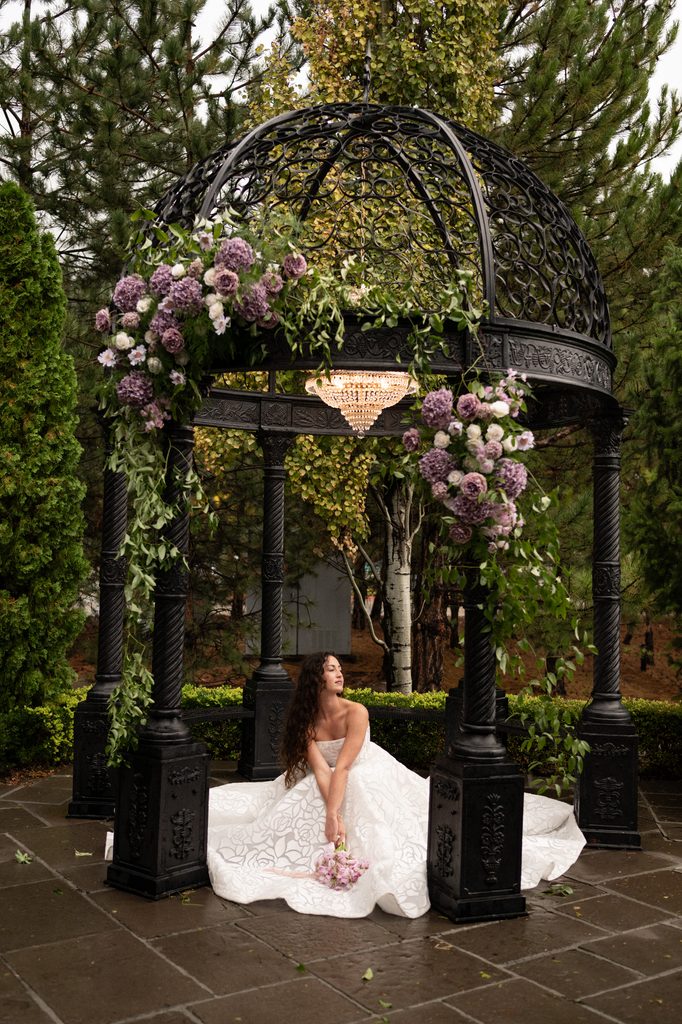
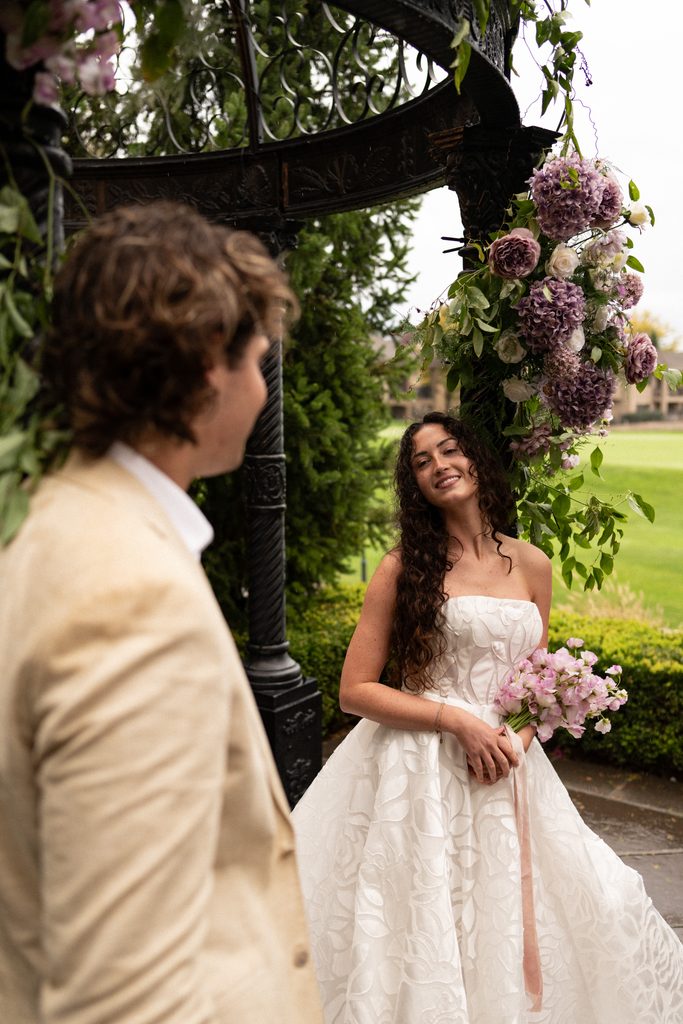
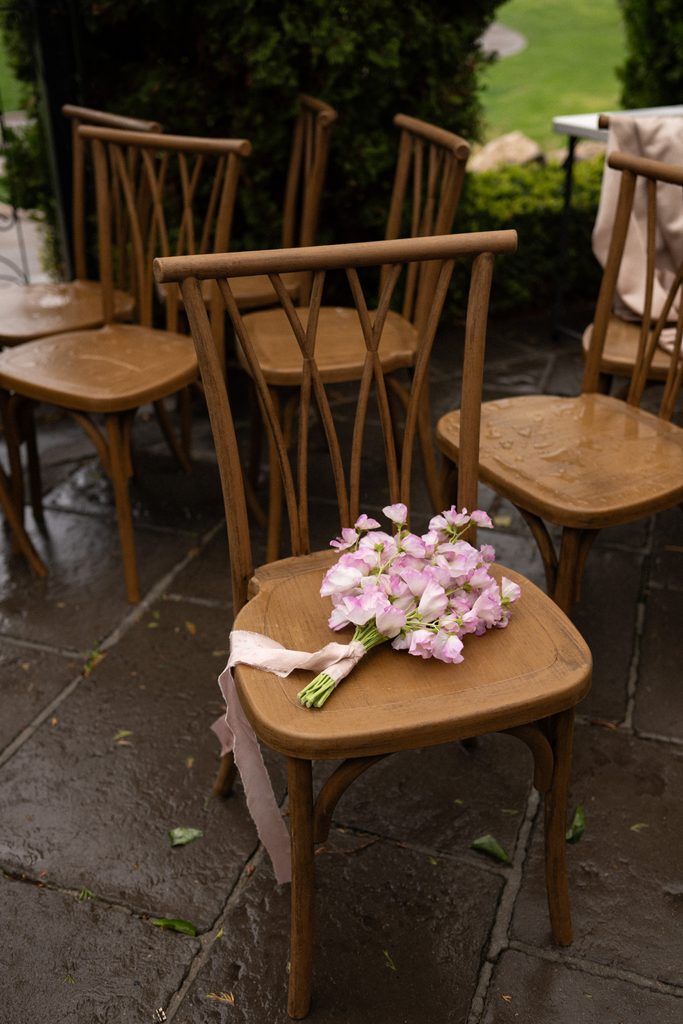
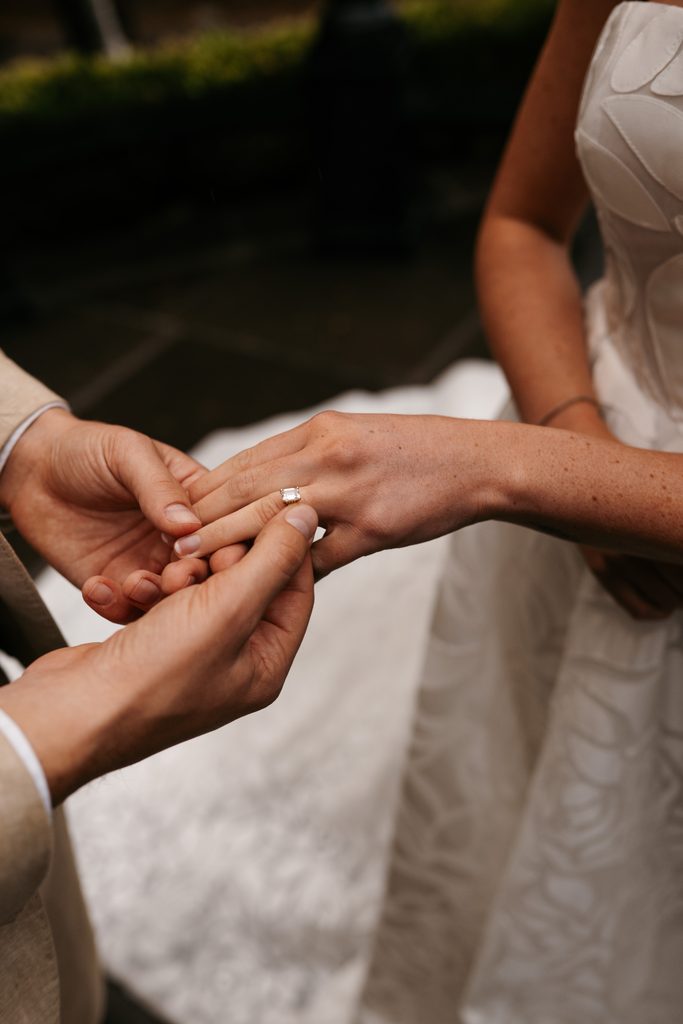
Make Dinner Part of the Experience
A beautiful reception deserves time to be enjoyed.
Discuss service timing with your caterer before placing speeches, dances, or other events into the meal. Guests should have an opportunity to settle in, eat, and talk.
If you’re investing in a thoughtful tablescape, this is when that design becomes part of the experience.
Your photographer can document the room, the food, and the interactions around the tables while working around service.
Build in Small Breaks
A timeline that uses every minute can become stressful when one part takes longer than expected.
Include short buffers around getting dressed, transportation, and the ceremony. Leave yourselves a moment to drink water, eat something, and be together.
Those pauses also make room for the unplanned moments: a conversation with a grandparent, a spontaneous toast, or an extra hug before you walk down the aisle.
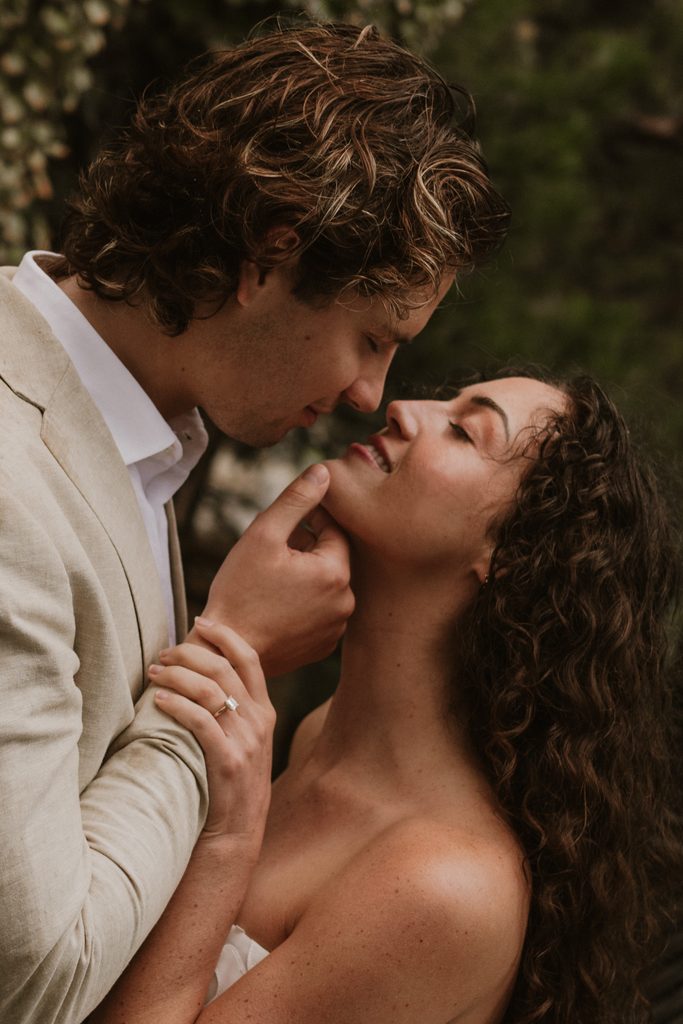
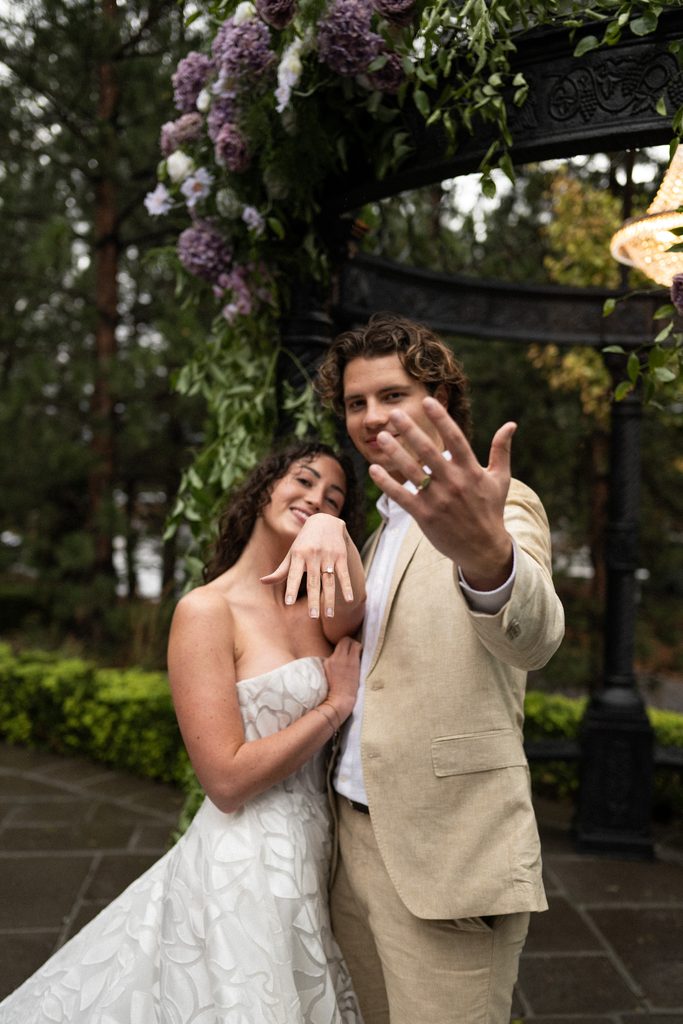
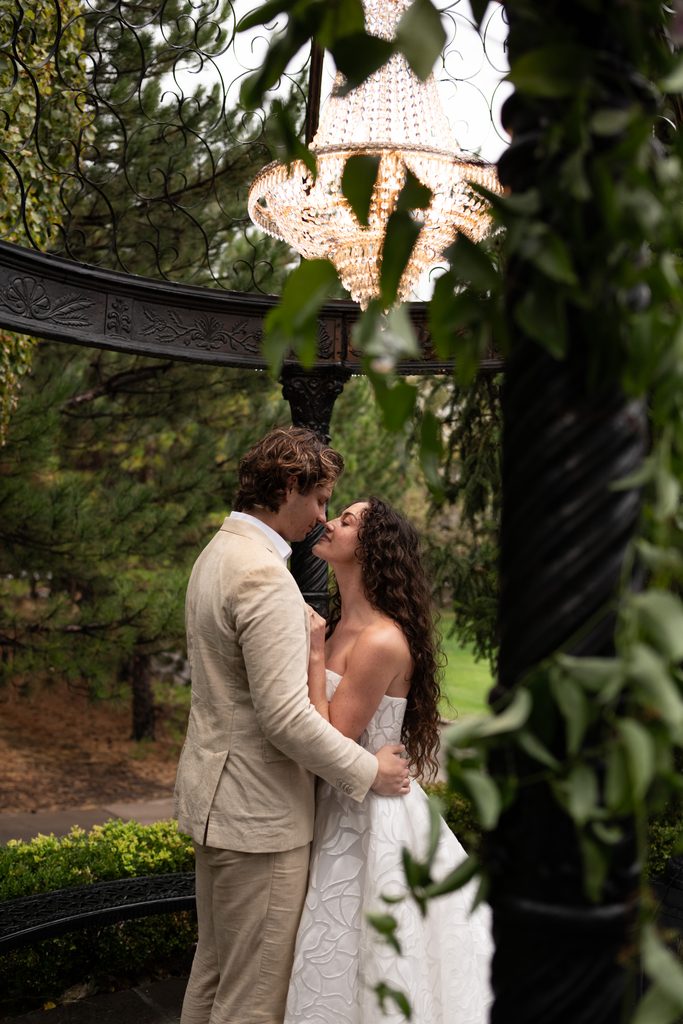
Choosing Photography Coverage for Your Timeline
Choose coverage after you understand the story you want documented.
If you want photographs of getting ready, the ceremony, portraits, dinner, and dancing, compare that sequence with the hours available in each photography option.
Tell your photographer which moments are essential. If your coverage ends before an important reception event, you can discuss adjusting the schedule or adding time.
My approach combines candid documentation with gentle direction and editorial portraits. I want to preserve the details you chose while giving you room to enjoy the people around you.
Sleepy Ridge Wedding Timeline FAQs
Should we set our ceremony time before booking our photographer?
You can have an initial preference, but involve your photographer before finalizing it if light and portraits are priorities. Coordinate the decision with your venue and planner.
Can we attend cocktail hour?
Often, the answer depends on when portraits happen and how many group photographs you want. Share this priority early so your team can help plan around it.
How do we keep family photographs moving?
Prepare specific groupings in advance, share any important family considerations privately, and appoint someone who knows your guests to help gather people.
Do we need sunset portraits?
They’re optional. If you love the idea of another short portrait window, your photographer can help identify a suitable time. Your wedding doesn’t need to stop for a long session.
Who should create the final timeline?
Your planner or coordinator should bring the overall schedule together with input from the venue and vendors. Your photographer can advise on portrait timing, lighting, and coverage.
Can we include film photography?
Yes. I offer digital photography with a film add-on. We can discuss how film fits your priorities and the moments you would love documented.
Your Sleepy Ridge Wedding Photographer
The best wedding timeline gives you space to experience the celebration you’ve planned.
If you’re imagining thoughtful flowers, beautiful attire, an inviting dinner, and time to connect with your guests, I’d love to hear about it.
I’m Shannon, the photographer behind Shannon Ferrell Photography. I photograph weddings in Orem and throughout Utah with a documentary and editorial approach, creating timeless, true-to-color images on digital and film.
Together, we can discuss photography coverage and a schedule that makes room for meaningful moments, beautiful portraits, and the details you’ve chosen with care.
Ready to book? Check out more of my work and inquire here.


Be the first to comment