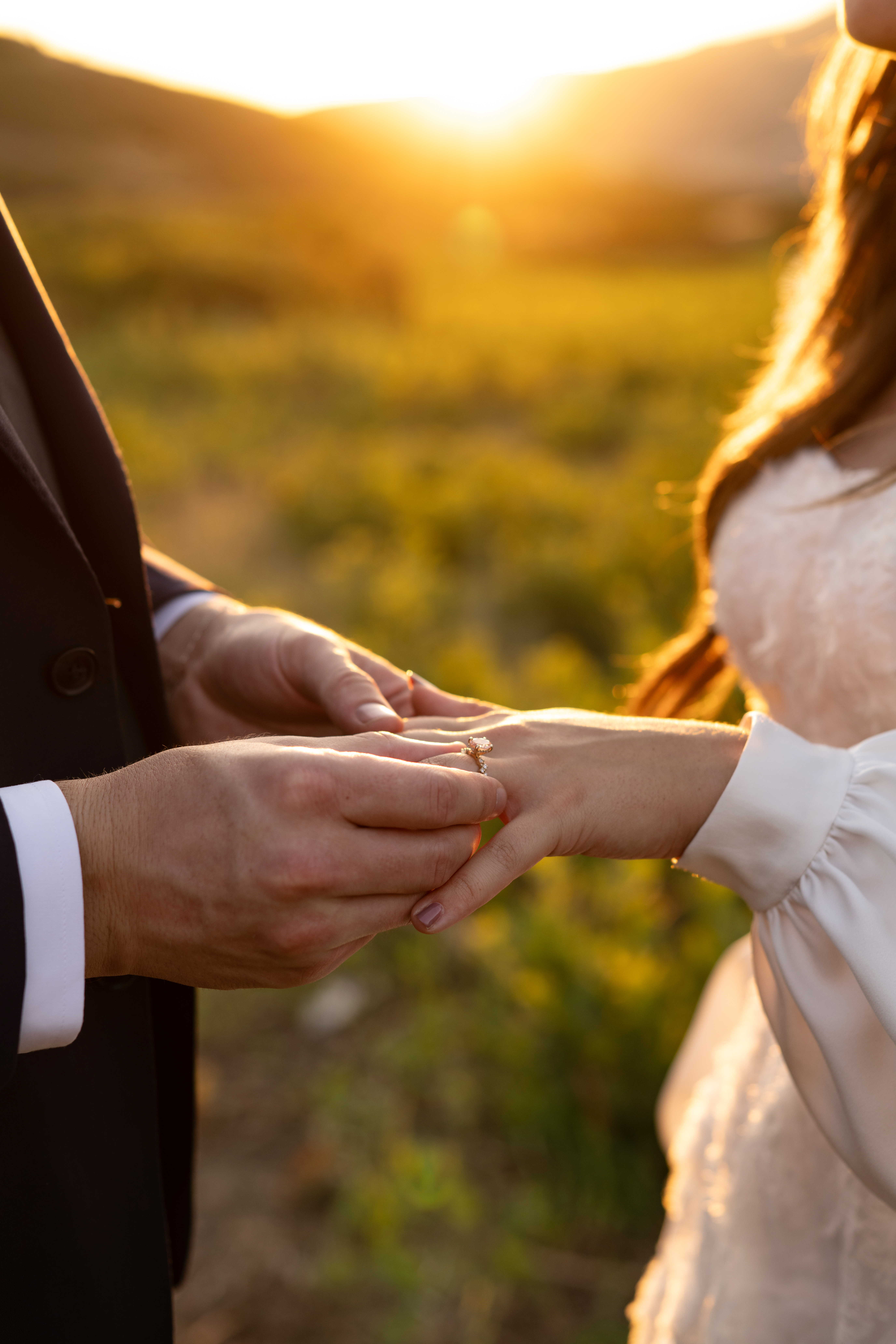
How Many Hours of Wedding Photography Do You Need? A Complete Guide
One of the first questions couples ask when they start planning their wedding is, “How many hours of wedding photography do we actually need?” And honestly, there isn’t one perfect answer.
The right amount of wedding photography coverage depends on your wedding-day timeline, how much of the day you want documented, whether you’re doing a first look, how many guests you have, and which moments are most important to you.
A two-hour elopement obviously doesn’t need the same coverage as a 150-person wedding with a full reception. But choosing too little coverage can mean missing some of the moments you’ll wish you had photographs of later. If you’re trying to decide between 4, 6, 8, or 10+ hours of wedding photography, here’s how to figure out what actually makes sense for your day.
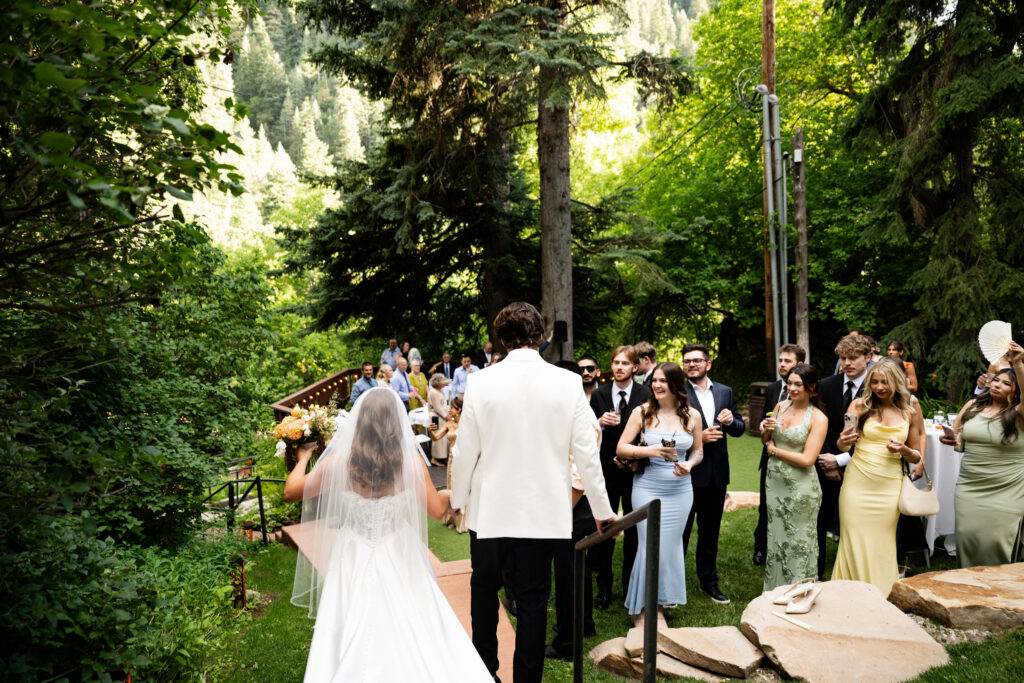
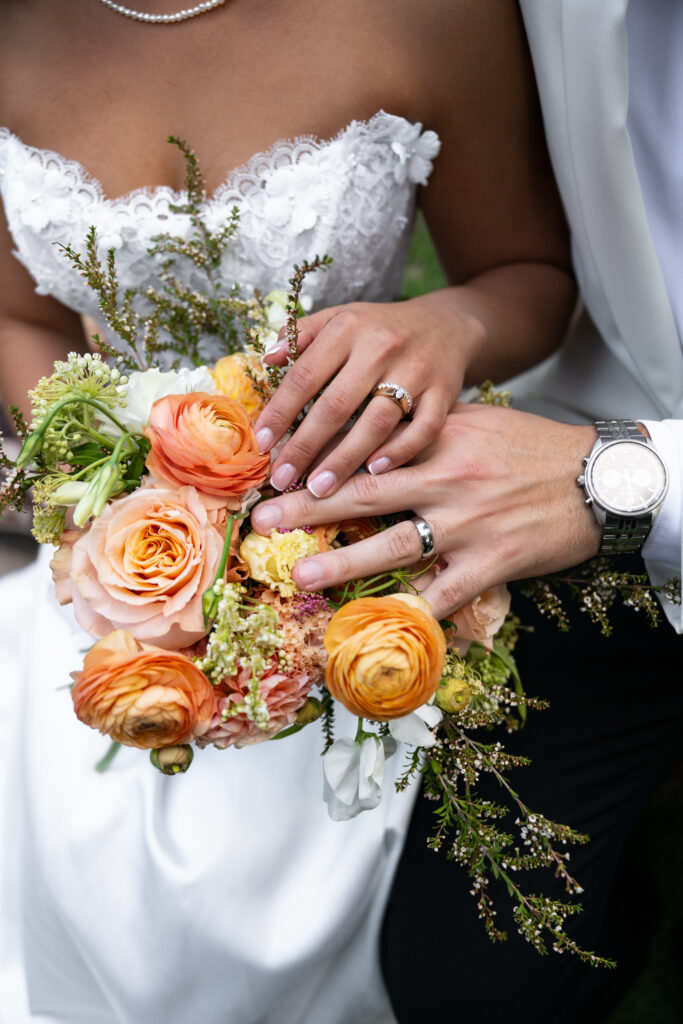
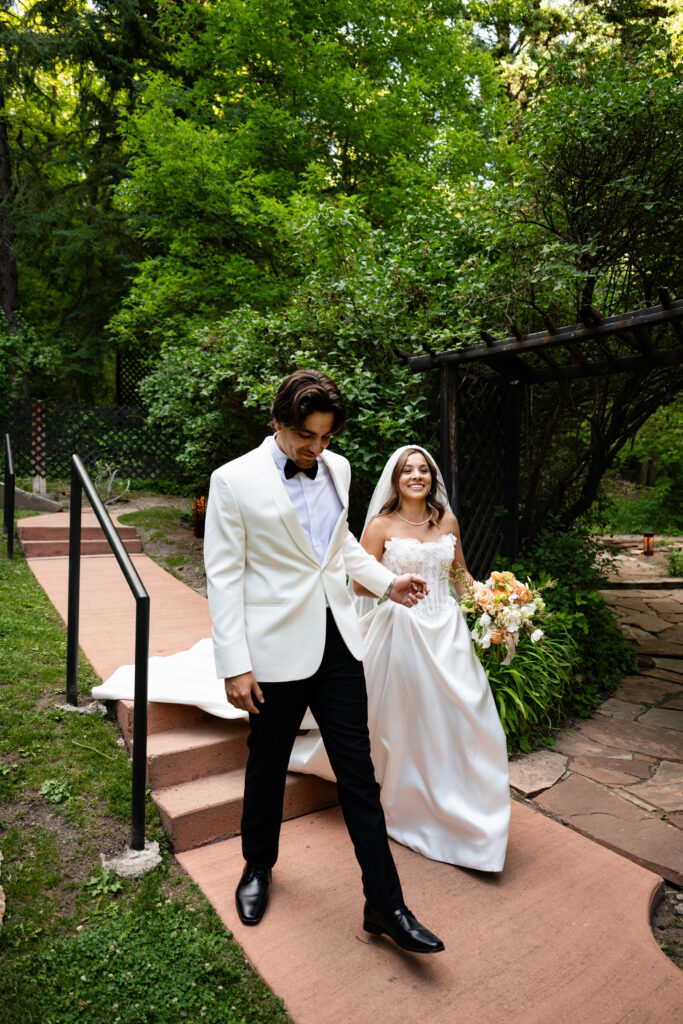
The Short Answer: How Many Hours of Wedding Photography Do You Need?
As a general guide:
- 2–4 hours: Elopements and very intimate weddings
- 4–6 hours: Small weddings with a shorter timeline
- 6–8 hours: Most traditional weddings
- 8–10 hours: Full wedding days with getting ready through reception
- 10+ hours: Large or elaborate weddings with multiple locations and a longer celebration
For many couples, 6–8 hours of wedding photography coverage provides enough time to document the most important parts of the day without having a photographer there from sunrise to the final dance.
But the number of hours matters less than what you want those hours to cover.
Start With the Moments You Want Photographed
Instead of starting with a package and trying to fit your wedding into it, start by thinking about your priorities. Do you want photographs of:
- Getting ready
- Your dress and details
- Your partner getting ready
- A first look
- Your ceremony
- Family portraits
- Wedding party portraits
- Newlywed portraits
- Cocktail hour
- Dinner
- Toasts
- First dance
- Parent dances
- Open dancing
- Sunset portraits
- Your grand exit
The more of these moments you want documented, the more coverage you’ll likely need.
For example, if you only care about your ceremony, family portraits, and newlywed portraits, you may not need eight hours. But if you want photographs beginning with getting ready and continuing through dinner, dancing, and your grand exit, you’ll likely want a longer collection.
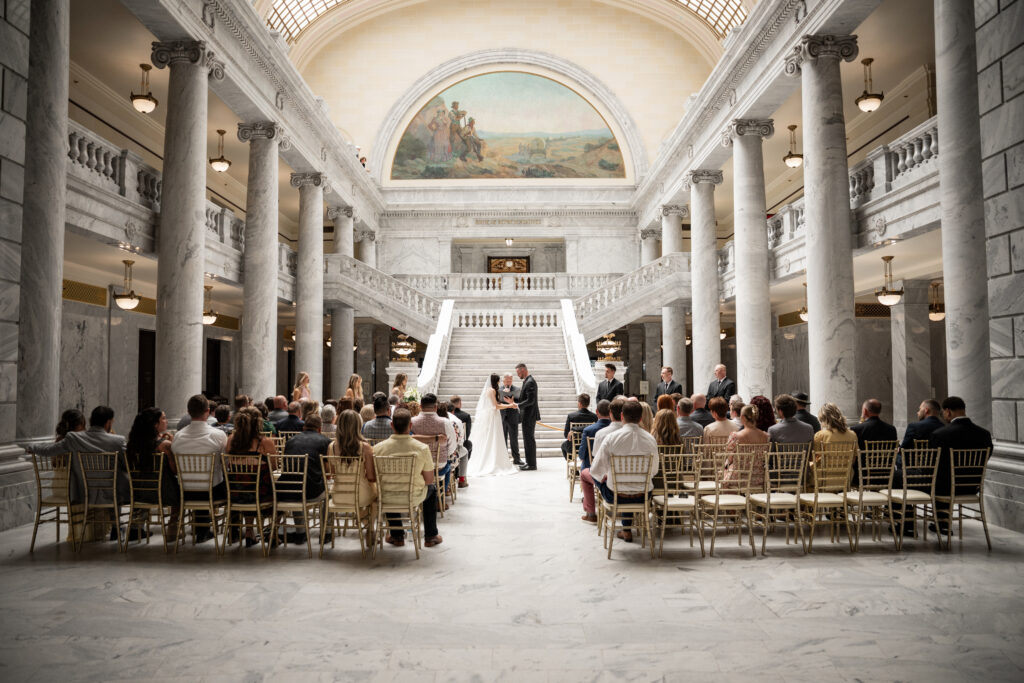
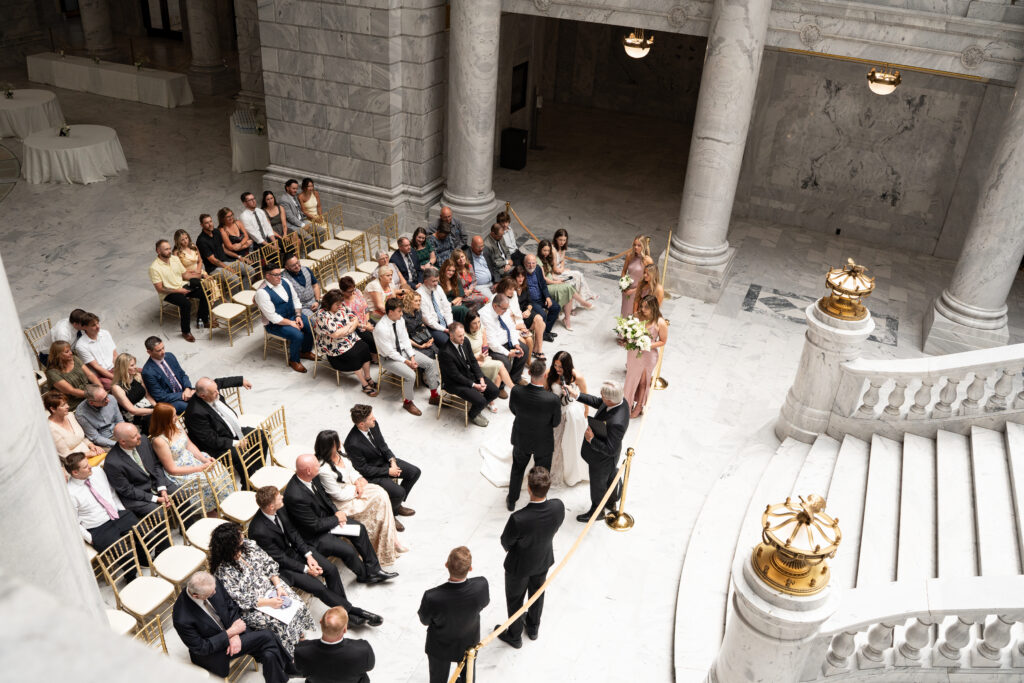
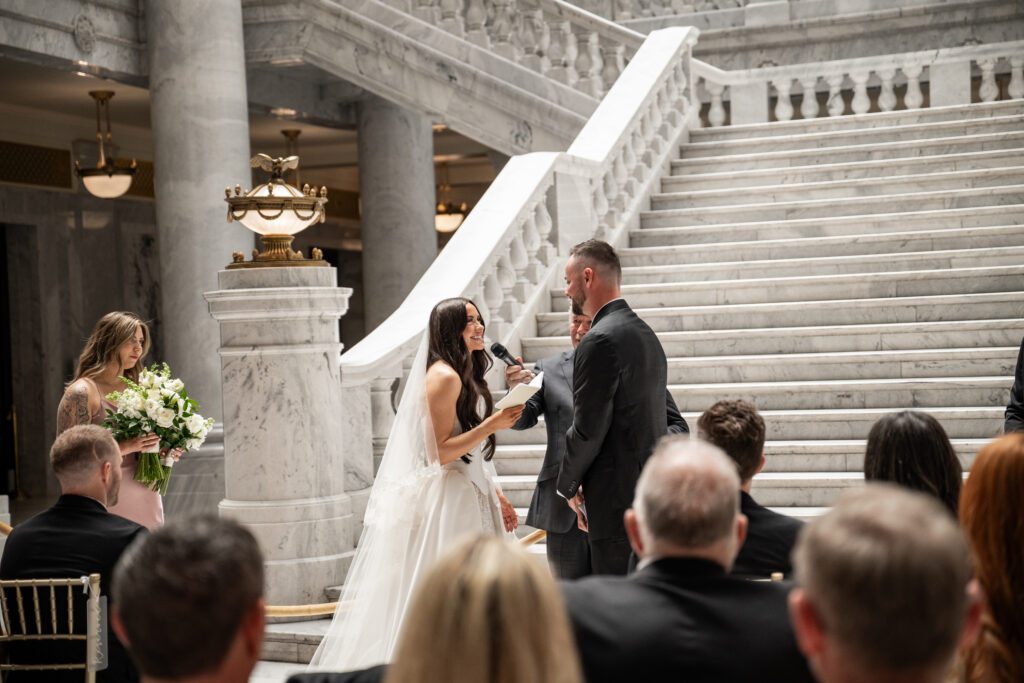
4 Hours of Wedding Photography
Four hours can be a great option for an intimate wedding or a carefully planned celebration.
This amount of coverage works especially well when everything is happening in one location and your timeline is relatively simple.
A 4-hour wedding photography timeline could look like:
2:00 PM – Photographer arrives
2:15 PM – Details and getting ready
3:00 PM – First look
3:15 PM – Couple and wedding party portraits
4:00 PM – Ceremony
4:30 PM – Family portraits
5:00 PM – Newlywed portraits
5:30 PM – Cocktail hour or dinner
6:00 PM – Photography coverage ends
Four hours can be enough to tell the story of an intimate wedding, but it does require a more intentional timeline.
There isn’t much room for delays or extended travel between locations.
Four hours may be right for you if:
- You’re having a micro wedding
- You’re inviting fewer than 50 guests
- Everything is happening at one location
- You’re skipping a large reception
- You don’t need extensive getting-ready coverage
- Your wedding day is intentionally short
- You care most about the ceremony and portraits
6 Hours of Wedding Photography
Six hours is a popular middle ground for couples who want a substantial portion of their wedding day documented without needing full-day coverage.
It can give you enough time for getting ready, portraits, the ceremony, and part of your reception.
A 6-hour wedding photography timeline could look like:
1:00 PM – Photographer arrives
1:15 PM – Getting ready and details
2:00 PM – First look
2:15 PM – Couple portraits
2:45 PM – Wedding party and family portraits
3:30 PM – Ceremony
4:00 PM – Cocktail hour
4:30 PM – Newlywed portraits
5:00 PM – Reception begins
5:30 PM – Dinner and toasts
7:00 PM – Photography coverage ends
The exact timeline will depend on your ceremony time, sunset, venue, and reception schedule.
Six hours may be right for you if:
- You’re having a smaller wedding
- You don’t need a full reception photographed
- Your ceremony and reception are at the same venue
- You’re doing a first look
- You want getting-ready photos
- You want plenty of portrait time
- You’re okay with photography ending before the final dance
8 Hours of Wedding Photography
For a traditional wedding, eight hours is often a comfortable amount of coverage. It gives your photographer enough time to tell the story of the day without making everything feel rushed. An eight-hour collection might begin with getting ready and continue through dinner, dances, and the beginning of your reception.
Example 8-hour wedding photography timeline:
12:00 PM – Photographer arrives
12:15 PM – Getting ready and details
1:30 PM – First look
1:45 PM – Couple portraits
2:15 PM – Wedding party portraits
2:45 PM – Family portraits
3:30 PM – Ceremony
4:00 PM – Cocktail hour
4:30 PM – Reception details and newlywed portraits
5:00 PM – Reception
5:30 PM – Dinner
6:30 PM – Toasts
7:00 PM – First dance and parent dances
7:30 PM – Open dancing
8:00 PM – Photography coverage ends
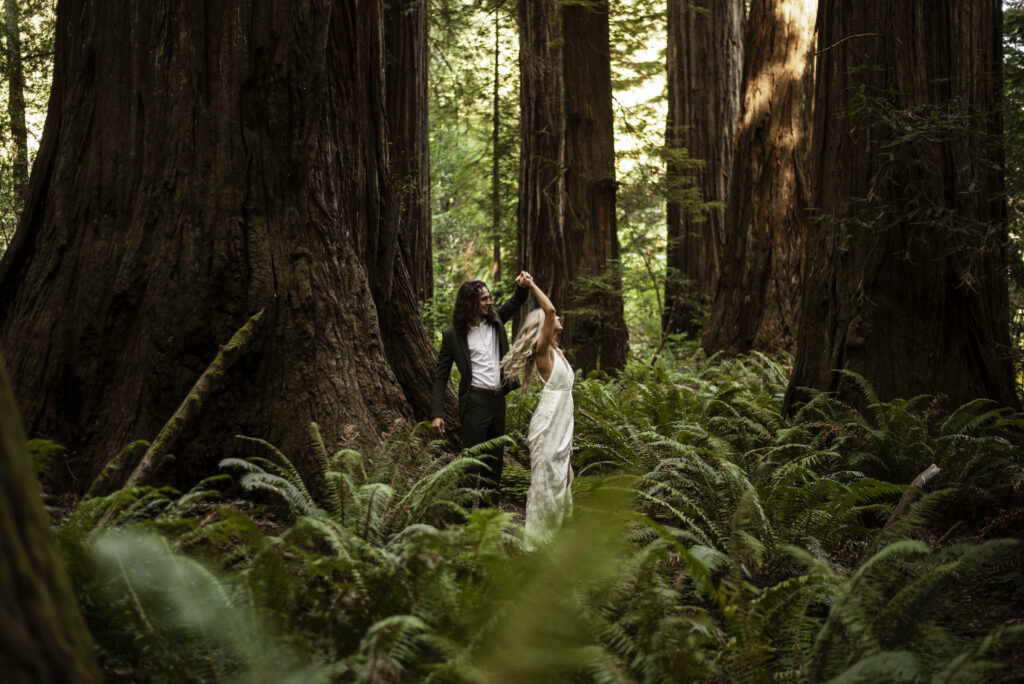
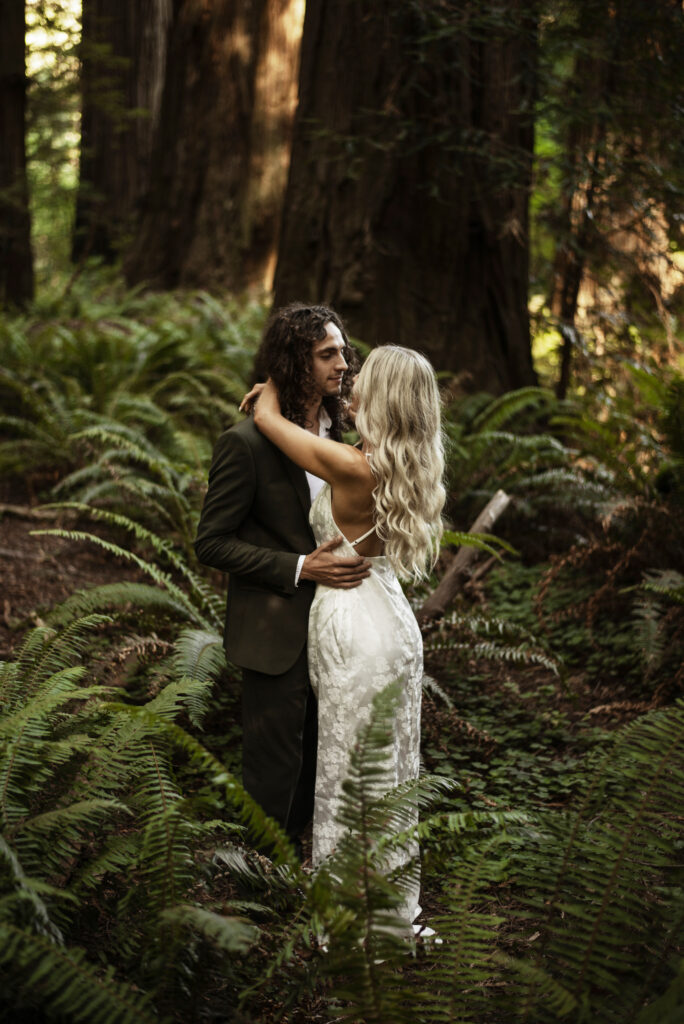
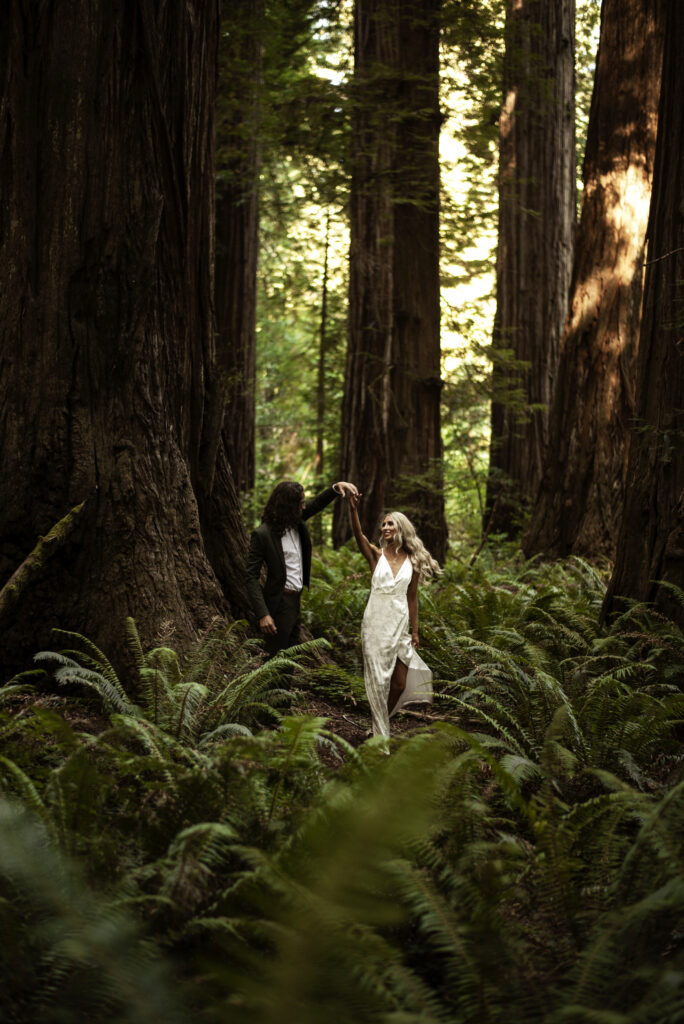
This gives you a much fuller story of your wedding day.
What Does a Wedding Photographer Actually Do During Those Hours?
Wedding photography coverage isn’t just about photographing the ceremony. Your photographer is documenting the entire story of the day.
That can include:
The Details
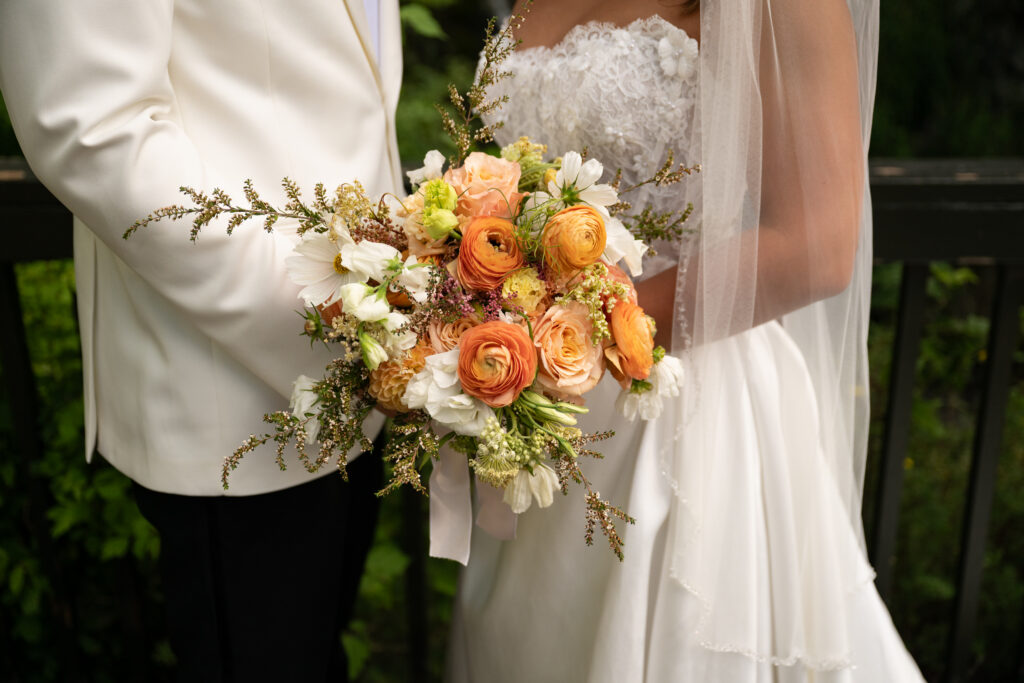
We capture and style photos of your invitation suite, rings, shoes, dress, flowers, jewelry, and other details help tell the story of your wedding.
Getting Ready
These photographs capture the anticipation before the ceremony. Think emotional, sipping champagne with your bridesmaids, your parents seeing you in your dress, your partner adjusting their jacket in the mirror, and all the little moments that happen before you walk down the aisle.
The First Look
If you’re having one, this can be one of the most emotional moments of the day. It also gives you an opportunity to take many of your portraits before the ceremony, giving your timeline more breathing room. Your photographer will scout the perfect location for this moment with the best lighting. We will direct you on what shoulder to tap when you walk up to your partner and let your partner know what way to turn to see you for the first time. This avoids the issue of your partner turning the wrong way, resulting in hiding their face and missing the reaction shots.
Family and Wedding Party Portraits
These photographs are often the ones your parents and grandparents will treasure. Your photographer also organizes these shots to ensure none are missed from your list.
Newlywed Portraits
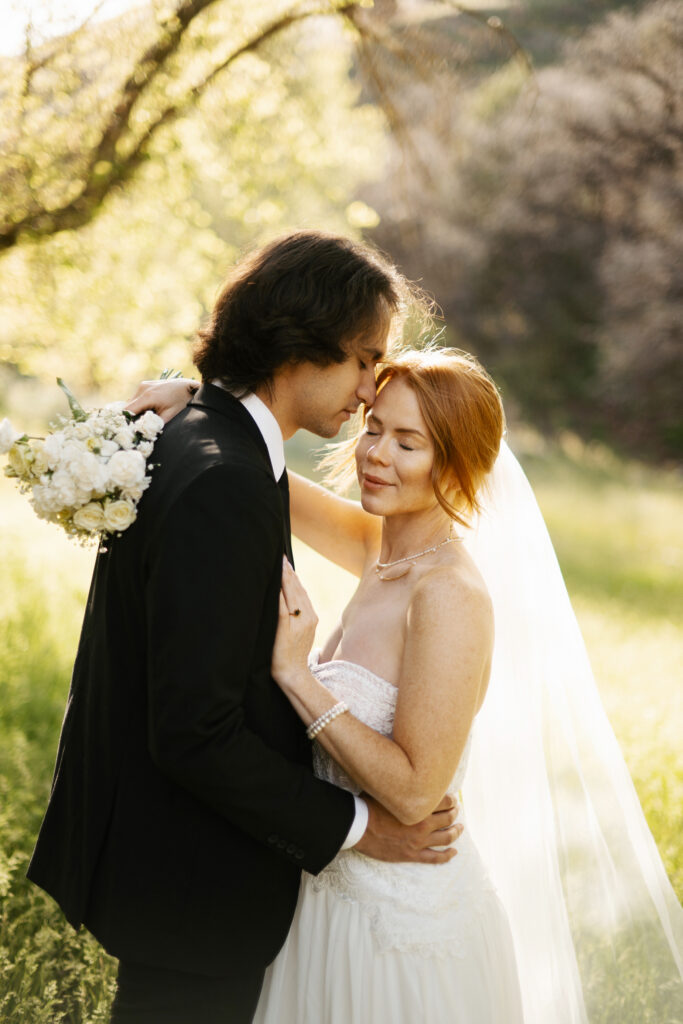
This is the time dedicated to photographs of just the two of you. It doesn’t have to feel stiff or overly posed. A good photographer can give you direction while still allowing your personalities and relationship to come through.
The Reception
We are taking all of the photo of your dinner, speeches, first dances, hugs, laughter, champagne, and dancing all become part of the story. These photographs help you remember not only what the wedding looked like, but what it felt like.


Do You Need Getting-Ready Photos?
Not necessarily.
Getting-ready coverage is great if you care about documenting the entire story of the day, but it isn’t a requirement.
If you don’t care about photographs of hair and makeup or getting dressed, you can start your coverage later and put those hours toward the ceremony and reception instead.
For example, instead of booking eight hours from 11 AM–7 PM, you could book six hours from 1 PM–7 PM.
It’s all about what matters to you.
Do You Need a First Look?
A first look can make your wedding photography timeline significantly more flexible.
Without a first look, most couples will need to take the majority of their couple and wedding party portraits after the ceremony.
With a first look, you can complete many portraits before the ceremony.
That means more time during cocktail hour to spend with your guests—and potentially more flexibility in your photography coverage.
But you absolutely don’t need to have a first look if it isn’t something you want.
Your timeline should reflect your priorities rather than what is considered “normal.”
Don’t Forget About Travel Time
One of the biggest things couples forget when choosing wedding photography hours is travel time.
If your getting-ready location, ceremony venue, portrait location, and reception venue are all different, your photographer isn’t photographing during those travel periods.
For example, if it takes 30 minutes to travel between locations, that can quickly eat into a six-hour photography package.
If you’re planning a wedding with multiple locations, consider adding additional coverage or keeping your locations close together.
This is one reason why choosing a venue where your getting-ready space, ceremony, portraits, and reception are all nearby can make your wedding day feel much more relaxed.

How Much Time Do Wedding Portraits Take?
Portraits are one of the biggest factors when deciding how many hours of wedding photography you need.
As a general guideline, you might want to allow:
- 10–20 minutes for immediate family
- 15–30 minutes for extended family
- 15–30 minutes for wedding party portraits
- 20–45+ minutes for newlywed portraits
You don’t necessarily need hours of posed photographs. In fact, I often encourage couples to leave room for portraits that feel more natural and relaxed rather than trying to spend the entire day taking photos.
What About Sunset Photos?
If beautiful, romantic photographs are important to you, don’t overlook sunset. Golden-hour portraits can be some of the most beautiful photographs from a wedding day, especially when you’re getting married outdoors.
You may only need 10–20 minutes to step away from your reception for a few sunset portraits.
That short amount of time can make a huge difference in your gallery. Your photographer (me) can help you determine the best time based on your wedding date and location.
How Many Hours of Photography Do You Need for a Micro Wedding?
A micro wedding usually doesn’t require as much coverage as a traditional full-day wedding.
For many couples, 4–6 hours can be enough.
Because there are fewer guests and often fewer formal events, you can spend more of the day actually being present with the people you invited.
A six-hour micro wedding might include:
Getting ready → First look → Portraits → Ceremony → Family photos → Dinner → Newlywed portraits
If you’re planning an intimate wedding at an estate, private property, or beautiful outdoor location, six hours can provide plenty of time for meaningful photographs without documenting every minute of the celebration.
How Many Hours Do You Need for a Traditional Wedding?
For a traditional wedding with a ceremony and reception, 6–8 hours is often a good starting point.
If you want your photographer to document the day from getting ready through the reception, eight hours is usually more comfortable.
If you’re having:
- Multiple locations
- A large guest list
- A long reception
- Extensive family photographs
- A late-night reception
- A grand exit
- Multiple events throughout the day
You may want to consider 8–10 hours or more.


What Happens If Your Photography Coverage Ends Too Early?
This is something worth thinking about before booking. If your photographer leaves before your first dance, you obviously won’t have photographs of your first dance. If coverage ends before your grand exit, you won’t have photographs of that moment either.
If you don’t leave enough time for portraits, you may end up rushing through one of the few parts of the day when you actually get to slow down together.
That’s why I recommend thinking about your must-have moments before choosing your coverage.
Ask yourself “What would I be genuinely disappointed not to have photographs of?” Build your coverage around those moments.
How to Choose the Right Wedding Photography Package
Instead of choosing the package with the most hours simply because it sounds like the best value, choose the coverage that makes sense for your actual wedding day.
Here’s a simple breakdown:
| Coverage | Best For |
|---|---|
| 2–4 hours | Elopements and very intimate weddings |
| 4–6 hours | Micro weddings and smaller celebrations |
| 6–8 hours | Most traditional weddings |
| 8–10 hours | Full wedding-day coverage |
| 10+ hours | Large or multi-location weddings |
And remember: more hours doesn’t automatically mean better (or more) photographs.
A thoughtfully planned six-hour wedding can produce a more meaningful gallery than a poorly planned ten-hour wedding.
My Biggest Advice: Build Your Timeline Around What Matters
Your wedding photography coverage should support your wedding day, not control it.
If you want a quiet morning with your closest friends, make room for it.
If you want to spend an hour taking portraits together, do it.
If you want to have dinner with your guests without leaving for photographs every twenty minutes, build your timeline around that.
If you want to dance until midnight, choose coverage that allows your photographer to stay late enough to capture it.
Your wedding day is not a photoshoot.
It’s your wedding.
The photographs should simply preserve the experience you actually had.


So, How Many Hours of Wedding Photography Do You Need?
For most couples, 6–8 hours is a great place to start.
Choose 4–6 hours if you’re planning an intimate wedding or want to focus your coverage on the most meaningful parts of the day.
Choose 8–10 hours if you want a fuller story that includes getting ready, the ceremony, portraits, reception, and dancing.
And if you’re still unsure, don’t feel like you have to figure it out on your own.
Your photographer should be able to look at your wedding plans, venue, ceremony time, guest count, and priorities and help you build a timeline that makes sense.
Because ultimately, the goal isn’t to photograph every single minute.
It’s to make sure you have photographs of the moments you’ll want to remember for the rest of your life.
Planning Your Wedding?
If you’re planning an intimate, elegant, or intentional wedding, I photograph weddings using a combination of digital and film to create galleries that feel natural, emotional, and timeless.
I also help couples think through their photography timeline so their wedding day feels relaxed rather than rushed.
Whether you’re planning a micro wedding, estate wedding, destination celebration, or a traditional wedding, your photography coverage should be built around your experience first.
Ready to start planning your photography coverage? Get in touch and let’s create a timeline that makes sense for your day. Check out my work and inquire here.


Be the first to comment