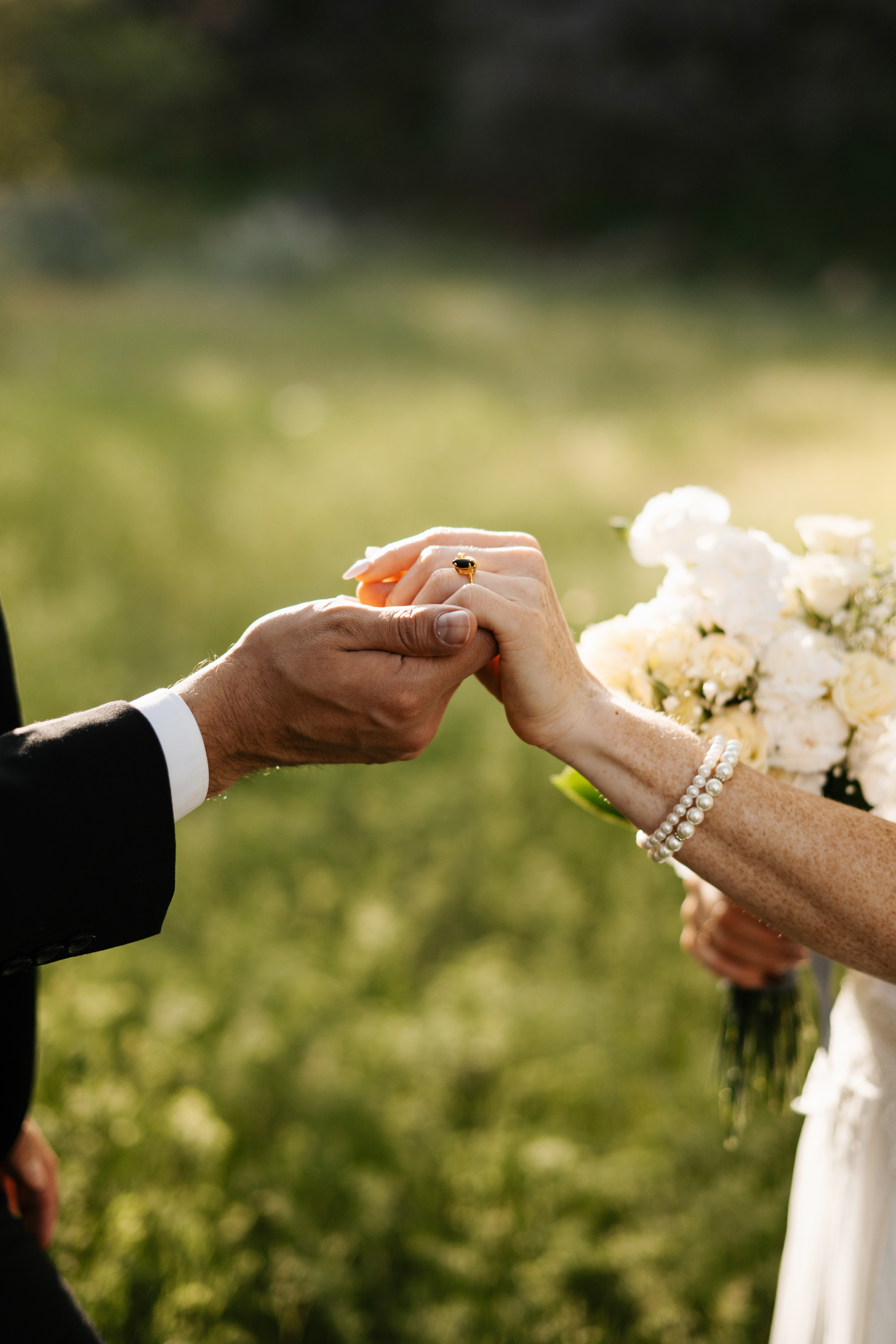
How to Start Planning a Wedding: A Step-by-Step Guide for Newly Engaged Couples
Getting engaged is exciting, but once the congratulations start rolling in, there’s often a moment when you think, “Okay, now we have to figure out how to start planning a wedding.”
There are venues to look at, budgets to figure out, vendors to book, and hundreds of little decisions that seem to come out of nowhere. The good news, you don’t need to figure everything out at once.
The easiest way to start planning a wedding is to focus on the big decisions first and let the smaller details come later. Your budget, guest count, wedding date, venue, and overall vision will help guide almost every decision that follows.
Most couples spend roughly 12–18 months planning their wedding, although a shorter timeline is absolutely possible with some flexibility. If you’re newly engaged and wondering what to do first, here’s a simple wedding planning roadmap to get you started.
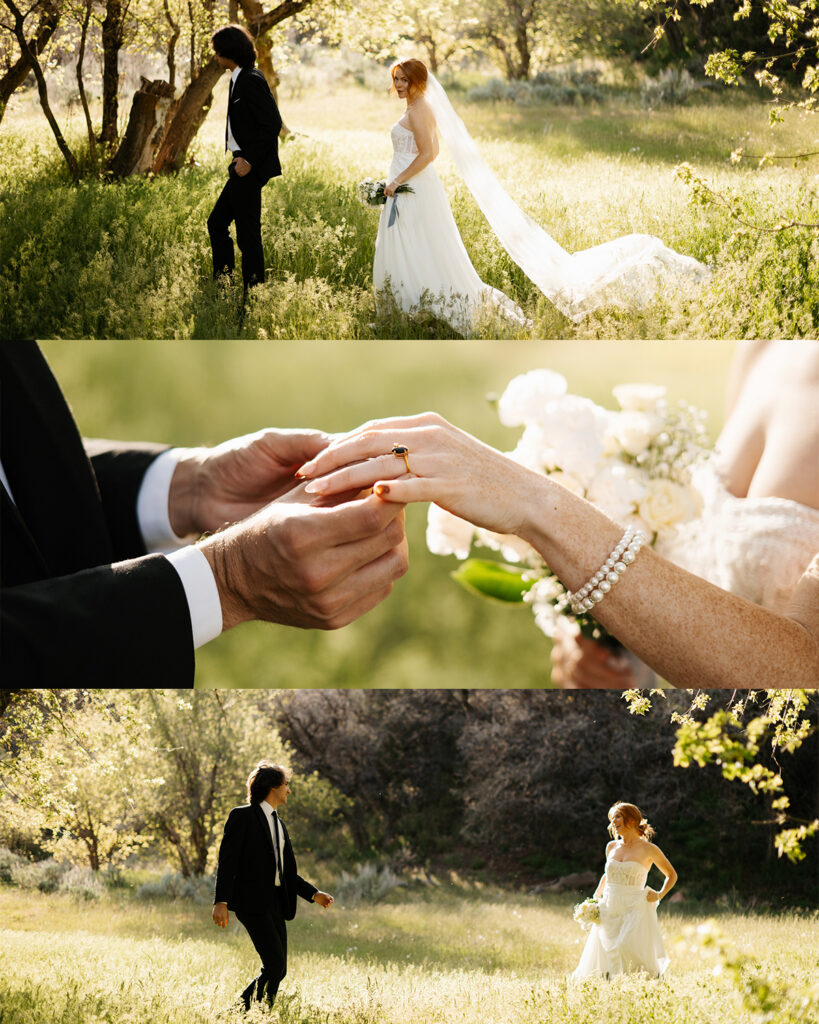

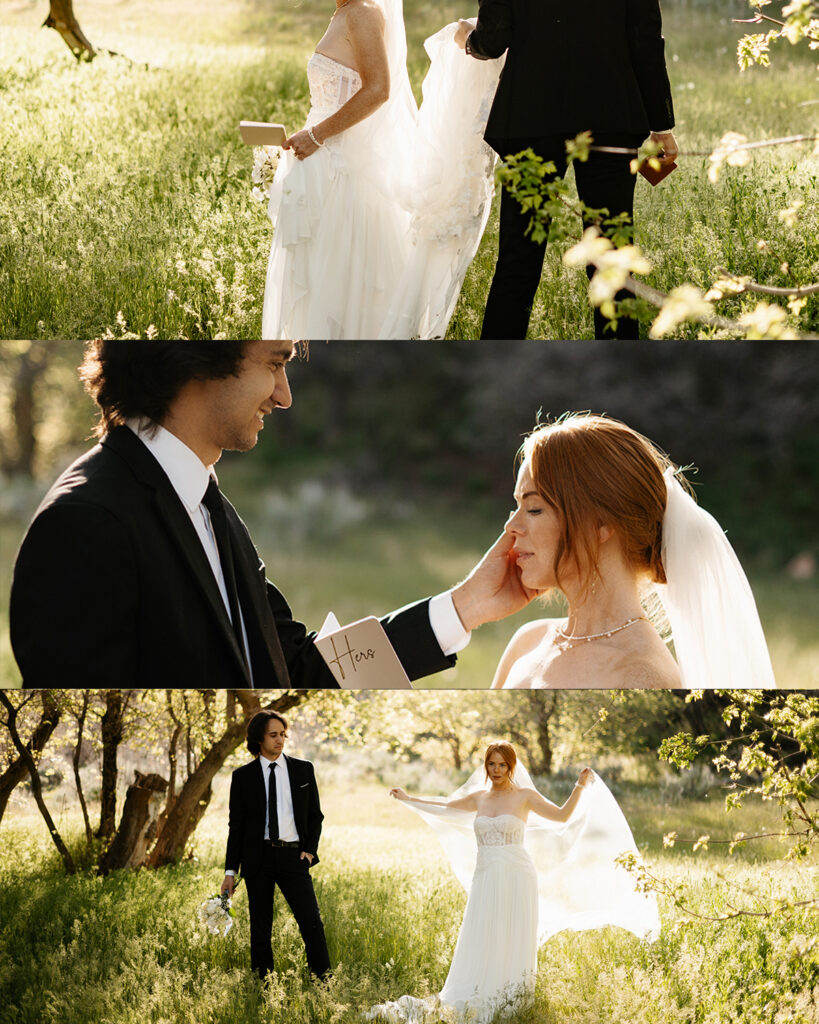
1. Take a Moment to Enjoy Being Engaged
Before you start spreadsheets, Pinterest boards, and venue tours, take a breath. You don’t have to start planning your wedding the day after you get engaged. Enjoy the excitement. Celebrate with the people you love. Take some time to talk about what marriage and your wedding day mean to the two of you.
Before making any decisions, ask yourselves:
- What do we want our wedding day to feel like?
- Do we want a large traditional wedding or something smaller and more intimate?
- Do we want a formal celebration or something more relaxed?
- Are there traditions that are important to us?
- What do we absolutely not care about?
- What do we want to remember most about the day?
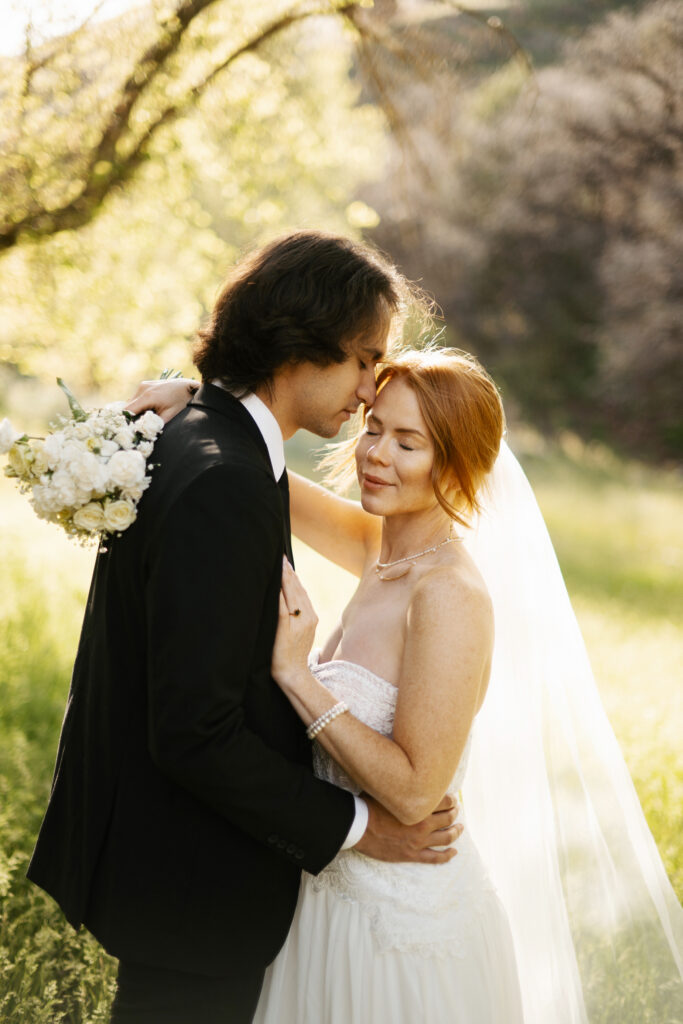
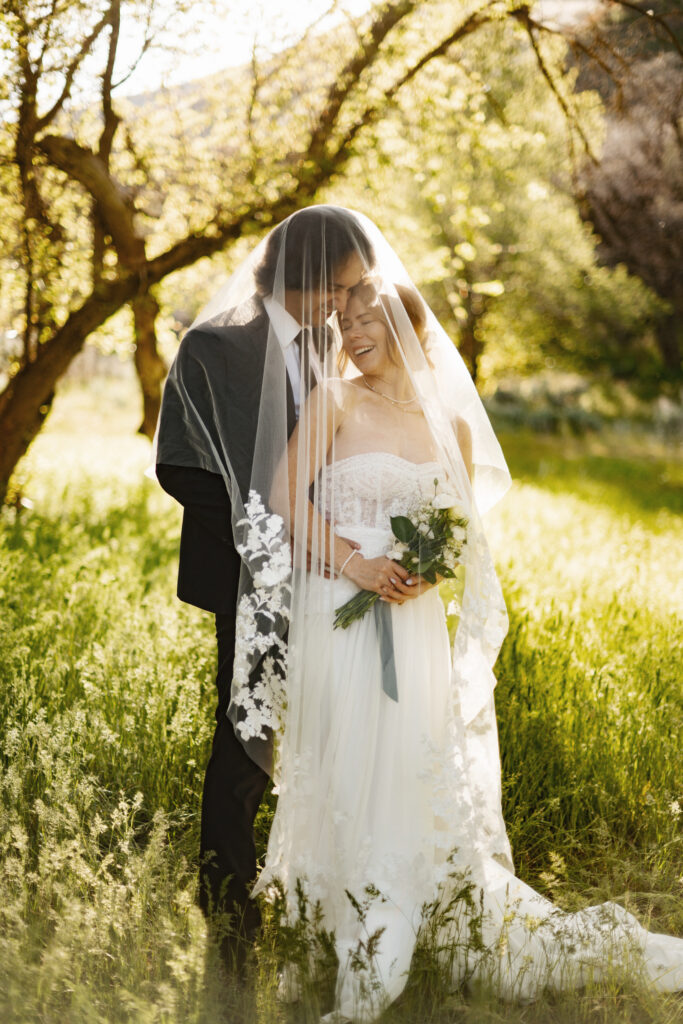
These conversations can make the rest of wedding planning much easier. Your wedding doesn’t need to look like anyone else’s. It should feel like the two of you.
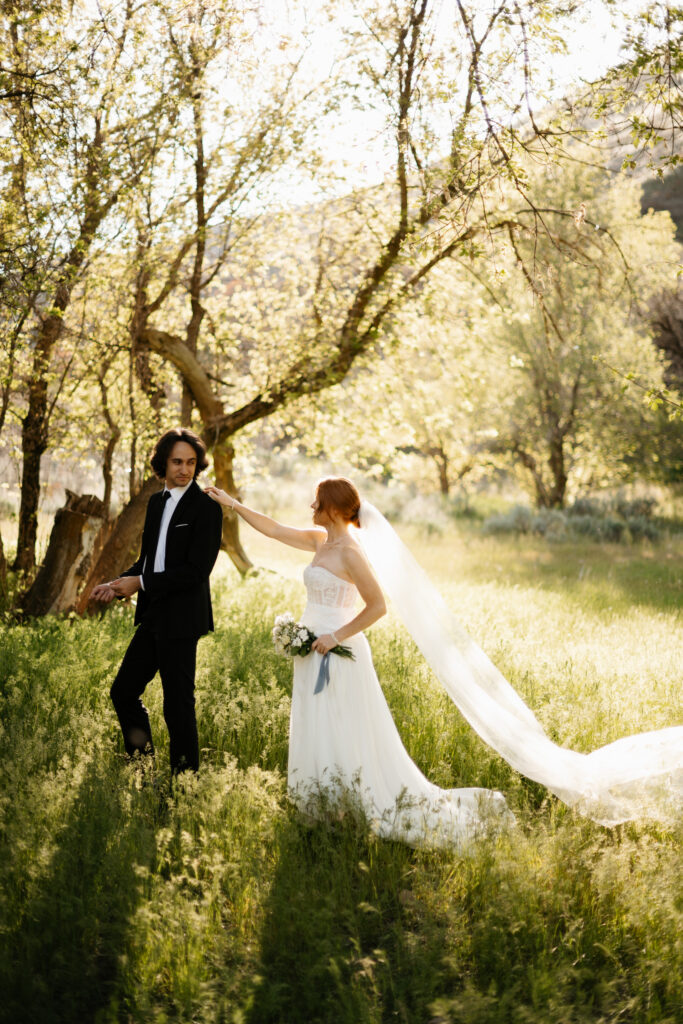
2. Decide What Kind of Wedding You Want
Before choosing a venue or booking vendors, start with the overall direction of your wedding.
Maybe you’re picturing an elegant estate wedding with candlelight and beautiful florals. Would you want a small mountain ceremony surrounded by your closest people? Or you could want a classic ballroom wedding with 150 guests.
Or maybe you’ve realized you don’t want a traditional wedding at all.
Intimate weddings and smaller celebrations can give couples more freedom to focus their budget and attention on the things that matter most to them. Recent wedding trends have also continued moving toward more personalized, intimate celebrations where the experience and story of the couple take priority over creating a huge production.
You don’t have to know every design detail yet. Start with the feeling.
Think about words like:
Elegant. Intimate. Romantic. Modern. Classic. Relaxed. Editorial. Meaningful. Garden-inspired. Timeless.
Those words can become the foundation for your planning decisions.
3. Set Your Wedding Budget
One of the first practical steps in wedding planning is deciding how much you’re comfortable spending.
Before you start falling in love with venues or vendors, have an honest conversation about your overall budget and who, if anyone, will be contributing financially.
Then divide your budget into categories such as:
- Venue
- Catering and bar
- Photography
- Videography
- Florals
- Wedding attire
- Hair and makeup
- Entertainment
- Rentals
- Wedding planner or coordinator
- Invitations and stationery
- Cake or dessert
- Transportation
- Rehearsal dinner
- Honeymoon
- Miscellaneous expenses
Your budget doesn’t have to be perfectly divided from the beginning. In fact, it will probably change as you figure out what’s most important to you.
Instead, think about your priorities. If beautiful photography is important to you, allocate more of your budget toward your photographer. Maybe food is the most important part of the evening, then you should prioritize catering. If having incredible florals is your dream, make room for them.
There’s no single correct way to spend a wedding budget.

4. Create a Rough Guest List
You don’t need a finalized guest list yet, but you should have a general idea of how many people you want to invite.
Are you thinking:
- 20-30 guests
- 50 guests
- 75 guests
- 100 guests
- 150+ guests
Your guest count affects almost everything, including your venue options, catering costs, rentals, seating arrangements, and overall wedding experience.
If you’re considering a micro wedding or intimate wedding, this is also the perfect time to decide what that means to you. A wedding with 30 guests will feel very different from a wedding with 100 guests, even if both are technically considered “small.” Don’t feel pressured to invite everyone you’ve ever met. Start with the people you genuinely want beside you when you get married.
5. Choose a General Location
Now you can start thinking about where you actually want to get married.
This doesn’t necessarily mean choosing your exact venue yet. Think about the location and setting first.
Do you want to get married:
- In your hometown?
- Somewhere in the mountains?
- At an estate?
- At a private property?
- In a city?
- At a destination?
- Outdoors?
- At a traditional wedding venue?
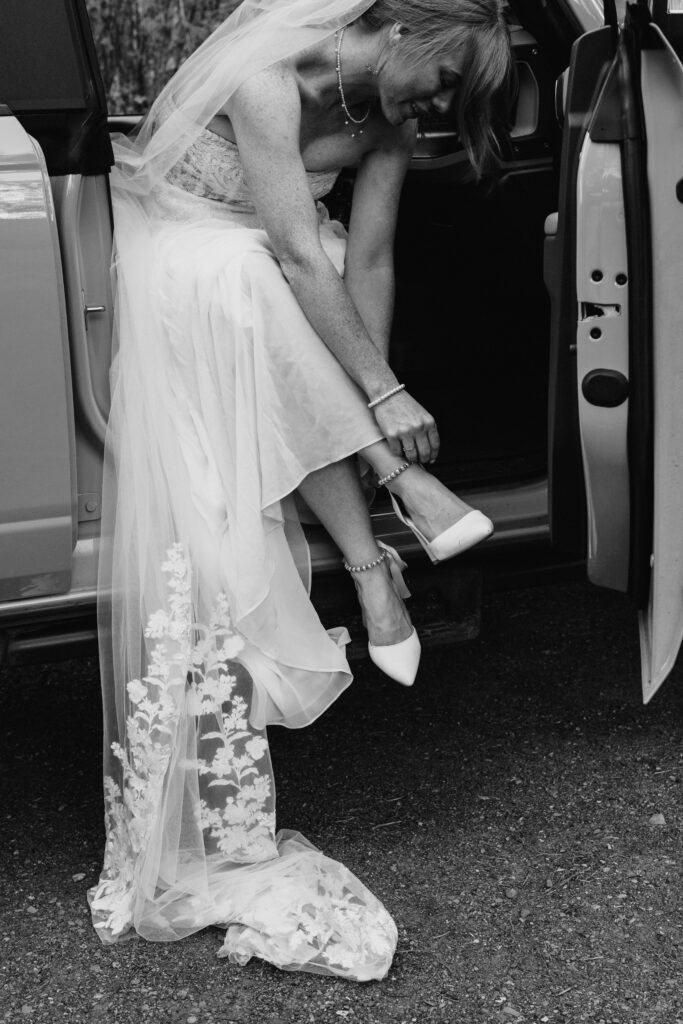
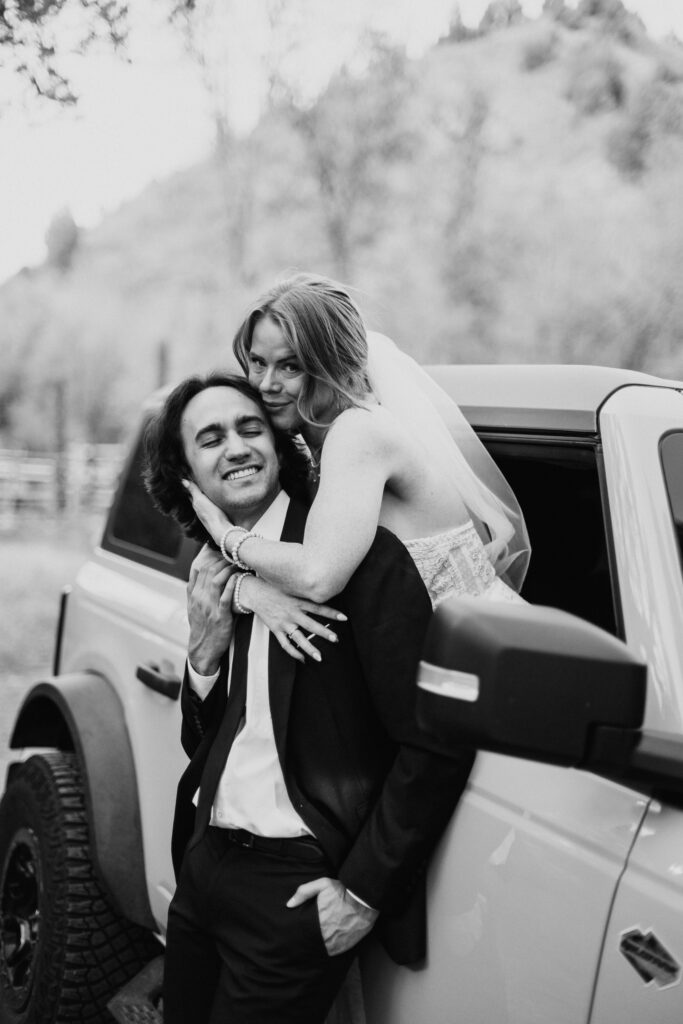
For couples planning a Utah wedding, this could mean anything from an elegant venue in Salt Lake City to a mountain wedding in the Wasatch, a desert celebration near Moab, or an intimate ceremony at the Bonneville Salt Flats.
The location you choose will influence your entire wedding experience and your photographs.

6. Choose a Wedding Date—or a Date Range
Once you know your general location and guest count, start looking at dates.
You don’t necessarily have to choose one exact date immediately. If you’re flexible, having two or three potential dates can make finding your venue and vendors significantly easier.
Think about:
- Season
- Weather
- Travel
- Guest availability
- Venue availability
- Sunset time
- Your preferred photography conditions
If beautiful outdoor portraits are important to you, sunset should actually be part of your planning conversation from the beginning.
Your ceremony time, reception schedule, and portrait time can all be influenced by the season and sunset.
7. Start Looking at Wedding Venues
Once you have a budget, approximate guest count, location, and potential dates, it’s time to start touring venues.
When comparing wedding venues, don’t only look at how beautiful the space is.
Ask:
- How many guests can the venue accommodate?
- What dates are available?
- What is included in the rental fee?
- Are tables and chairs included?
- Is catering required through the venue?
- Can you bring your own vendors?
- What time can you arrive?
- What time must the reception end?
- Is there a getting-ready space?
- Is there a backup plan for bad weather?
- Are there restrictions on photography?
- Are there additional fees?
And most importantly:
Can you actually picture yourselves getting married there?
A beautiful venue that doesn’t fit your budget, guest count, or overall vision isn’t necessarily the right venue for you.

8. Book Your Most Important Vendors Early
Once your venue and date are secured, you can start booking your major vendors.
These often include:
- Wedding photographer
- Videographer
- Wedding planner or coordinator
- Caterer
- Florist
- DJ or band
- Hair and makeup artist
- Officiant
Your venue and photographer are particularly important to book early if you have a specific date or style in mind. Wedding-planning timelines commonly place the venue and major vendors toward the beginning of the planning process.
Don’t wait too long to book your photographer
Your wedding photographer is one of the vendors who will preserve the day after it’s over. When you’re looking for a photographer, don’t only compare prices.
Look at:
- Their full wedding galleries
- Editing style
- Film vs. digital offerings
- How they photograph people
- How they handle challenging lighting
- Their approach to posing
- Their personality
- Their communication
- What is included in their packages
- How they help with the wedding-day timeline
You want someone whose work makes you think, “I want my wedding to feel like this.”
If you’re drawn to photographs that feel natural, emotional, timeless, and a little nostalgic, finding a photographer whose style already matches that vision is much better than trying to change someone’s editing style after booking.
9. Start Thinking About Your Wedding Day Experience
This is where planning can become really fun.
Instead of thinking only about how your wedding will look, think about how you want it to feel. Imagine walking into your ceremony. What do you hear? What do you smell? Who is standing around you? What happens immediately after you say your vows?
Do you want a long cocktail hour where you can actually spend time with your guests? You could also opt for a private dinner. Would you want to sneak away for sunset portraits?
Do you want a huge dance floor? Do you want a quiet moment alone with your spouse?
These questions can help you create a wedding that feels intentional instead of simply checking off traditions.
10. Don’t Forget About Your Wedding Photography Timeline
Your wedding photography doesn’t have to be something you figure out at the very end.
In fact, your photographer can help you think through your timeline much earlier than you might expect.
Your photography timeline can include:
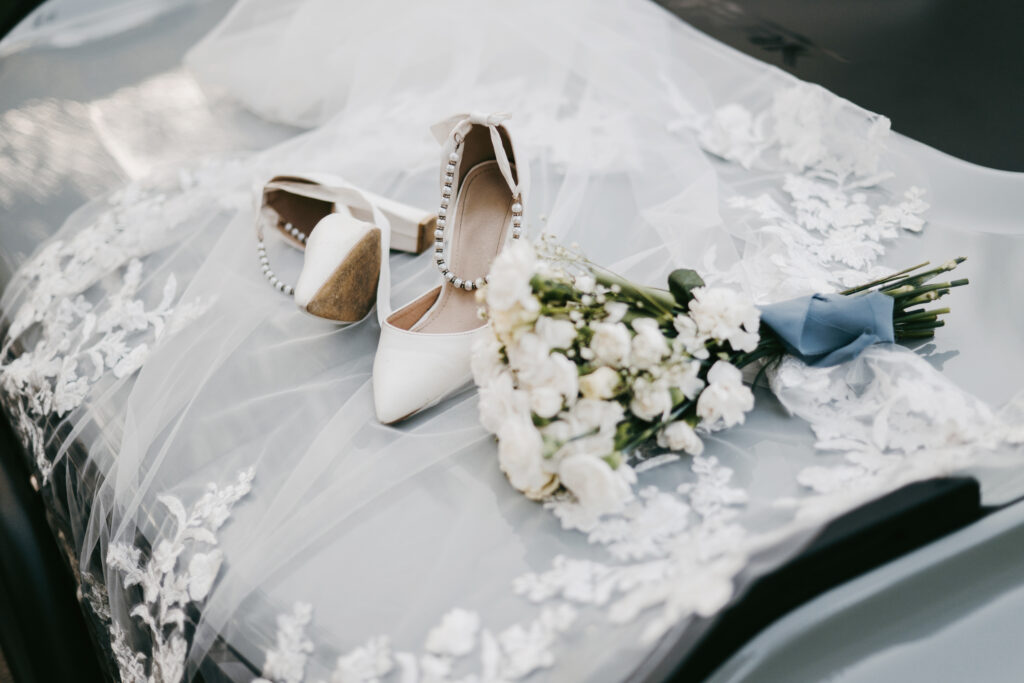
- Getting-ready photographs
- First look
- Wedding party portraits
- Family photographs
- Ceremony
- Newlywed portraits
- Cocktail hour
- Reception details
- Dinner
- Toasts
- First dance
- Sunset portraits
- Dancing
- Grand exit
The timing of these events matters. For example, if you dream of those soft, romantic sunset portraits, your ceremony and reception schedule need to leave room for them. A wedding timeline should work around your priorities, not simply force your wedding into a generic schedule.
11. Choose the Details Later
Once the big decisions are made, you can start working on the smaller details.
This might include:
- Wedding dress
- Suit or tuxedo
- Bridesmaid attire
- Invitations
- Florals
- Rentals
- Wedding cake
- Table settings
- Signage
- Music
- Favors
- Ceremony details
- Guest transportation
You don’t need to make all of these decisions in the first few weeks after getting engaged.
Start big then work your way down.
A Simple Wedding Planning Timeline
If you’re planning a wedding and wondering what you should actually be doing and when, here’s a simple starting point.
12–18+ Months Before
Focus on:
- Setting your budget
- Creating your guest list
- Choosing your location
- Choosing a wedding date
- Booking your venue
- Booking your photographer
- Booking your planner or coordinator
- Booking other major vendors
9–12 Months Before
Start working on:
- Wedding attire
- Florist
- Caterer
- DJ or band
- Videographer
- Save-the-dates
- Wedding website
- Engagement photos
6–9 Months Before
Focus on:
- Invitations
- Hair and makeup
- Cake
- Rentals
- Ceremony details
- Honeymoon planning
- Wedding rings
- Transportation
3–6 Months Before
Now you can start finalizing:
- Wedding menu
- Floral designs
- Decor
- Timeline
- Family photo lists
- Ceremony details
- Seating arrangements
- Vows
1–3 Months Before
It’s time to:
- Send invitations
- Finalize your guest count
- Complete dress alterations
- Finalize the wedding timeline
- Confirm vendors
- Create your family photo list
- Write vows
- Schedule final beauty appointments

The Final Weeks
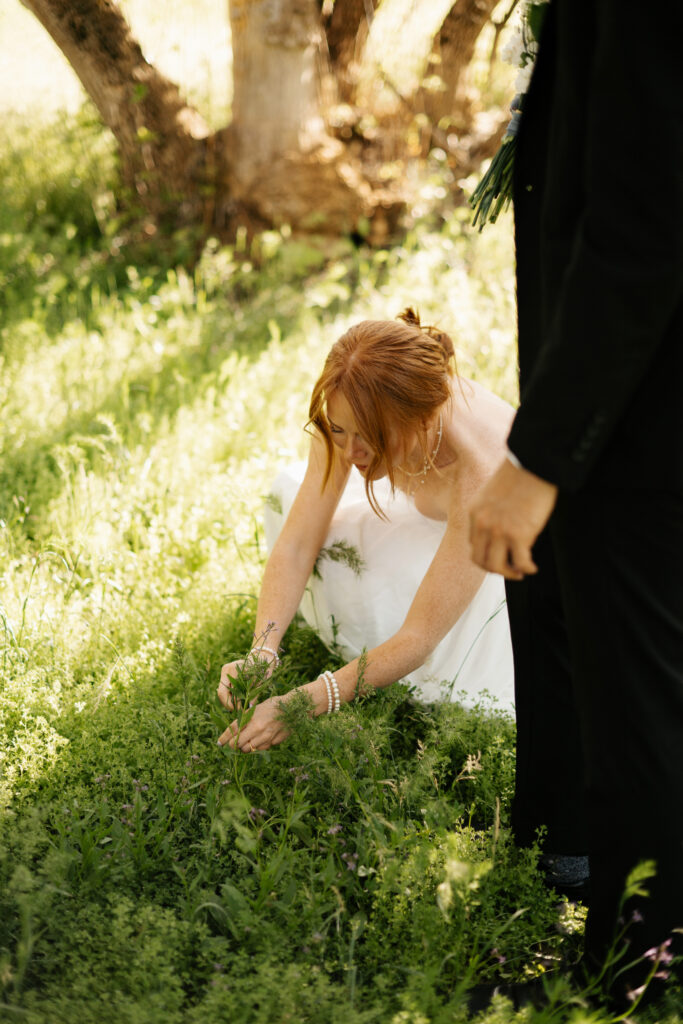
At this point, your job isn’t to reinvent the wedding.
It’s to finalize everything and enjoy the anticipation.
Confirm vendors, pack everything you’ll need, delegate last-minute responsibilities, and give yourself permission to stop worrying about the tiny details.
What Should You Book First for Your Wedding?
If you’re feeling overwhelmed, remember this order:
1. Budget
2. Guest count
3. Location
4. Date
5. Venue
6. Photographer and other major vendors
7. Attire
8. Invitations and details
9. Final timeline
10. The little things
You don’t need to have your entire wedding planned before you book your first vendor.
You just need enough information to make the next decision.
Your Wedding Doesn’t Have to Follow a Formula
There is no requirement that your wedding look a certain way.
You can have 20 guests or 200.
You can get married at an estate, in the mountains, in a city, or somewhere that means something to the two of you.
Choose between a formal dinner or an intimate meal with your closest people.
You can skip traditions that don’t feel like you and create new ones that do.
And you can spend more money on the things you genuinely care about while simplifying the things you don’t.
The best weddings aren’t necessarily the biggest or most elaborate. They’re the ones where you can look around and recognize yourselves in the experience.
If You’re Just Starting to Plan
Don’t try to figure everything out today.
Start with a conversation with your fiancé. Decide what matters most. Set a realistic budget. Get a rough idea of your guest count. Choose the general location and season you love.
Then take it one decision at a time.
And when you’re ready to start looking for your photographer, look for someone who doesn’t just take beautiful photographs, but someone who can help you create a wedding day that feels effortless, intentional, and true to you.
After all, the wedding day only lasts one day. The photographs are what you’ll have when it’s over.
Planning a Utah Wedding?
If you’re planning an intimate, elegant, or intentional wedding in Utah, I’d love to be part of it. I photograph weddings and elopements with a mix of digital and film, focusing on photographs that feel natural, emotional, and timeless.
Whether you’re planning an intimate estate wedding, a mountain celebration, or a larger traditional wedding, the goal is the same: to document the people, moments, and atmosphere that made the day yours.
Ready to start planning? Explore my wedding photography experience and get in touch to see if we’re a good fit.
Check out my work and inquire here.


Be the first to comment